
Identify the real problem first
Too many beanies solve cold and ignore hair. That causes flattened curls, frizz, static, and breakage. Start by admitting what you need: warmth without friction, room for volume, and a lining that protects strands. A silk lined beanie often solves the friction issue while keeping heat, so keep that as a strong option while you evaluate fit and fabric.

Match the beanie to how your hair behaves
Observe what breaks your routine. Do curls lose pattern when compressed? Does a hat pull at roots and create breakage? Wavy hair needs gentle containment; coily textures need space. Choose a beanie that allows stretch and bounce. Measure how much room you need by wearing a loose bun or pineapple and noting how much extra circumference your hat must cover without squeezing.
Pick materials and construction that solve those problems
Prioritize low-friction linings and soft outer knits. Natural silk or satin linings prevent friction and reduce static. A looser knit or a ribbed cuff gives flexibility so the hat sits comfortably without crushing curls. Avoid coarse wools directly against hair; if you want wool warmth, choose a beanie with an inner silk or satin layer to keep fibers away from strands.
Fit, style, and everyday techniques that preserve shape
Decide between fitted and slouch styles based on your priority: fitted caps keep warmth close but risk flattening; slouch styles preserve volume but need a secure band. Use a low, loose ponytail or a high pineapple under the hat to protect curl pattern. Apply a small amount of leave-in or anti-static serum before wearing to reduce friction. When you remove the hat, shake out curls gently and refresh with a light mist or cream—no rubbing.
Common mistakes and how to avoid them
Don’t pick the warmest-looking hat and assume it respects hair. Mistakes: choosing tightly knit, unlined hats; overwashing lined beanies in hot water; stuffing a hat over wet hair. Fix each: choose a lined option, wash per garment instructions in cool water, and always let hair dry or mostly dry before wearing to prevent mold and stretching.
Alternatives worth considering
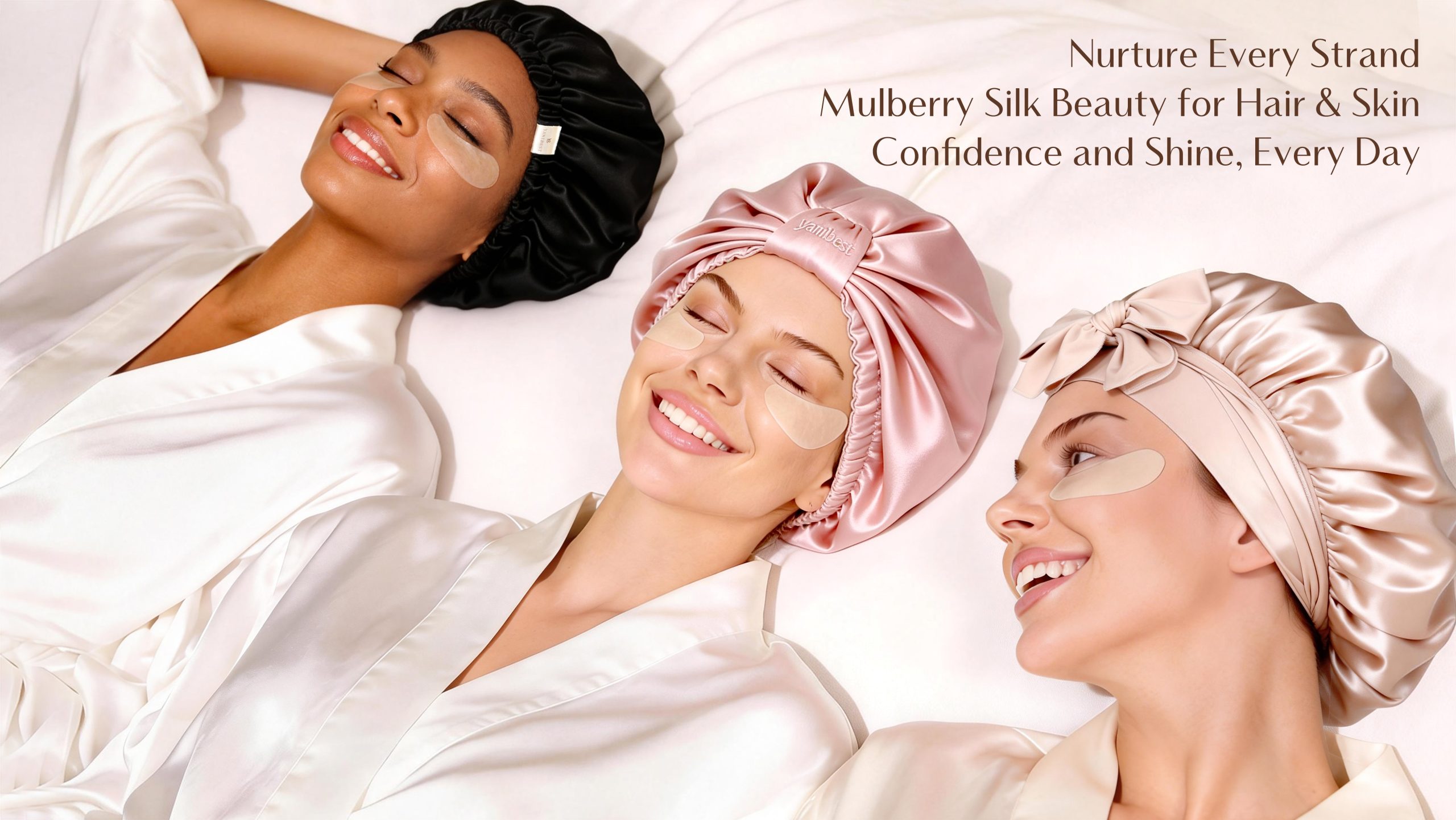
Satin-lined headbands, turbans, and lined hoods can work where a full beanie feels too compressive. Microfiber blends can be warm but may still produce friction unless paired with an inner lining. If you prioritize minimal fuss, a lined beanie remains the simplest single-piece solution; if you need extreme volume preservation, use a loose hood or a scarf along with a lighter cap.
Real-world perspective from stylists
When I checked notes with New York City salon stylists after winter seasons, the professionals consistently recommended a lined option for daily wear and gentle knit for long trips. Their preference leaned toward a best silk lined beanie for reducing breakage while keeping warmth—practical feedback that matches what clients report after weeks of commuting and outdoor activity.
Put a simple routine in place
Decide your priorities—warmth, volume, or compactness—then choose a beanie that addresses the top problem. Try a lined, soft-knit option first, protect hair with a loose pre-styling method, and avoid tight cuffs. Over time you’ll refine what works for your curl pattern. For a reliable starting point and consistent protection that many users trust, look at options from yanibest to find pieces that balance warmth and hair health without extra fuss.