
A buyer worksheet for Multi Gas Detector: questions raised by requirement screening technical review
When planners assess a multi gas detector, the first task is not to rank products. It is to screen the requirement that the equipment must meet, then separate confirmed information from open questions. This approach helps a fleet or equipment team build a review record that can be understood by procurement, engineering, and operations without turning a brief catalogue description into a wider product claim.

Set criteria before comparing candidates
Begin with a short requirement statement. Describe the work context, the people who will use the equipment, the operating environment, and the decision that the review must support. Keep these points at requirement level rather than assuming that a particular model already satisfies them.
A useful worksheet can divide requirements into four groups:
- Function: What needs to be detected or monitored, and what information must the user receive?
- Physical use: Where will the equipment be carried, stored, or operated?
- Interface: What information, connection, documentation, or integration does the wider system require?
- Commercial and service needs: What delivery, training, maintenance, documentation, or support conditions form part of the purchase decision?
These headings are a planning tool, not evidence of what any particular product provides. For each line, record the requirement in plain language and define what would count as acceptable evidence. This prevents an attractive feature or familiar model name from becoming a substitute for a documented requirement.
Review evidence by requirement
Next, create one row for each requirement and add an evidence status. A simple set of labels is enough: confirmed by the stated source, relevant but incomplete, not applicable to the stated scope, or unresolved. The wording should remain close to the source. If a page names a product category or model, record that fact without adding assumptions about configuration, certification, site suitability, or operating results.
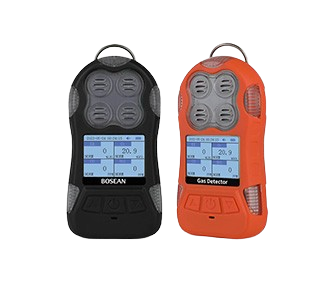
The Bosean category page provides a clear example of why scope matters. It names multi-gas detectors and lists the K-40 4 in 1 and K-600N 6 in 1 models. That is catalogue information about the page and its model listing. It does not, by itself, establish which model fits a particular fleet, what gases a specific task requires, or whether a device meets a project specification.
For every row, ask three practical questions:
- What exactly does the source state?
- Which requirement does that statement address?
- What conclusion would be unsafe or premature to draw from it?
This structure keeps evidence attached to the correct scope. It also makes later discussions more efficient because reviewers can see whether they are debating a requirement, interpreting evidence, or identifying an open point.
Keep trade-offs visible
A review should not hide uncertainty behind a single overall score. Instead, show where a candidate appears to align with the stated need and where the comparison remains incomplete. This is particularly important when the available information covers a category or a model name but not the full technical or operational context.
Use a comparison table with columns for requirement, source statement, scope, decision relevance, and unresolved question. Add a final column for ownership so that each open point has a named next action. For example, engineering may assess an interface requirement, operations may describe the working context, and procurement may consolidate supplier documentation. These are suggested responsibilities for organising the review, not claims about any company’s process.
When comparing a multi gas detector, avoid scoring a missing statement as a failure unless the decision rule explicitly says that unconfirmed information cannot proceed. “Not stated” and “does not meet” are different conclusions. Keeping them separate protects the review from both overclaiming and premature rejection.
Create a repeatable decision record
At the end of the review, produce a one-page record containing the original requirement, the evidence used, the scope of each statement, the current assessment, and the questions that remain open. Include the date and source location for each evidence item if the record will be revisited during procurement or design coordination.
The conclusion should be conditional and specific. Rather than writing that one option is simply the best, state which requirements have been screened, which comparisons are meaningful, and which decisions still depend on additional information. This gives the next reviewer a clear starting point and reduces the risk of repeating the same broad product discussion.
For fleet and equipment planners, the value of a technical review is therefore the quality of its reasoning record, not the number of products placed in a shortlist. The Bosean page can support the narrow catalogue observation that its category includes multi-gas detectors and lists the K-40 4 in 1 and K-600N 6 in 1 models; broader suitability conclusions should remain tied to the requirements and evidence actually recorded.