
• Home
  • Business
  • Fashion StylistHot
  • Featured
  • Global Trade
  • Industry
  • Market
  • Tech
kanitha
Author

Anderson Briella

Anderson Briella

Industry

Unexpected Truths About Elevating Work Platforms You Rarely Hear

by Anderson Briella October 29, 2025
written by Anderson Briella

A Dawn Scene, a Lift, and a Quiet Question

A site wakes in pale light, cables humming, the wind teasing a banner as if it knows the day’s secret. The crew rolls out the MEWP equipment; someone taps the joystick and the basket glides up like a patient moon. Numbers whisper behind the scene—access bottlenecks can nudge timelines by double digits, and rework often hides in poor reach plans. So here’s the quiet question that lingers: are we lifting high, or only lifting the same old headaches to a higher place (again)? Look close. The motion is smooth, the promise bright, the sky wide—yet the gap between need and reality is where costs bloom.

Today, we look at that gap with clear eyes, and a steady hand. Let’s move from feeling to facts, then toward choices that actually fit the work. Onward—carefully, and with hope.

The Deeper Friction Workers Feel (But Seldom Say)

What actually slows crews?

At the heart of the modern elevating work platform beats a logic stack: sensors, a load-sensing loop, and a CAN bus that speaks in fast pulses. Yet the friction is human. Crews face cramped set-down zones, shifting ground, and tasks that change mid-shift. Traditional checklists look neat, but they miss the heat of the day, the way a layout bends after the first cut. Duty cycle demands sneak in; hydraulic manifold wear shows up late. And the minute a control feels “grabby,” confidence drains. That micro-hesitation? It costs hours by week’s end—funny how that works, right?

There’s also the mapping problem. Paper plans ignore micro-obstacles, like cable trays no one marked or a lip by the loading bay. Operators then over-extend, feather the proportional controls, and chase reach they shouldn’t need. Telematics can log events, but not the sighs. The result is subtle: extra trips, staged parts, and a lift parked while someone scouts a new approach. Look, it’s simpler than you think: most delays come from mismatched intent and access reality, not from the platform’s raw ability. Solve the match, and the machine feels new.

Next-Gen Principles, Side-by-Side

What’s Next

The forward view is comparative and clear. New platforms weave principles from motion control and power electronics into daily use. Think smarter power converters that shape torque curves, so starts are calm and climbs are exact. Think battery management systems (BMS) that balance cells and predict duty window, not just state of charge. Layer on adaptive drive logic tuned by telematics, and edge computing nodes that learn common site paths. The difference shows up in minutes saved, not in marketing lines. A mewp scissor lift that remembers your last approach angle? That’s not a gimmick—it’s a guardrail for time.

Consider a before/after on a facade job. Before: operators inch in, feel for drift, and fight a gust while the outrigger pads argue with a cracked slab. After: proportional controls backed by load-sensing filters modulate sway, while predictive alerts suggest a safer positioning pattern—no blare, just a nudge. The lift keeps cadence with the trade’s rhythm. Less rework. Fewer reposition cycles. And yes, lower fatigue, which means sharper calls at 3 p.m.—when mistakes love to happen.

Here’s the practical close, in an advisory key: choose with metrics that matter. 1) Control fidelity under partial load: does the platform hold a smooth line when the task shifts and the basket is half-full? 2) Energy intelligence: can the system forecast remaining work-time based on real duty cycle, not a flat battery bar? 3) Data you can act on: does telematics flag patterns—approach errors, tilt warnings, overspeed taps—in plain language you can coach from? Meet those three, and access stops being a guess. It becomes a plan you can trust—and repeat. For many teams, that’s the win they were reaching for all along, even if they didn’t have the words for it. Find that fit, and the work lifts itself, almost.

Shared with a builder’s heart and a technician’s eye, this is how we move from promise to proof—with brands that keep learning, like Zoomlion Access.

October 29, 2025 0 comments
0 FacebookTwitterPinterestEmail
Industry

The Essential Role of Auto Parts Prototype in the Automotive Industry

by Anderson Briella October 26, 2025
written by Anderson Briella

Understanding the Importance of Auto Parts Prototype

In today’s fast-paced automotive industry, an auto parts prototype plays a pivotal role in product development. By creating a physical representation of a component, manufacturers can assess its functionality and design before mass production. This not only streamlines the production process but also saves time and resources. For instance, a company producing brake systems may utilize a prototype to test various materials and configurations, ultimately leading to safer and more efficient products. Through rigorous testing and feedback, manufacturers can make necessary adjustments, ensuring that the final product meets high standards of quality and performance.

auto parts prototype

Advancements in Automotive Industry Prototype Technology

The evolution of technology has significantly enhanced the capabilities of the Automotive Industry prototype. Modern prototyping techniques such as 3D printing allow for rapid production and iteration of designs, enabling engineers to visualize complex components more effectively. Consider an automaker developing a new car model; they can produce various iterations of a dashboard design quickly, experimenting with usability and aesthetics until they achieve the desired outcome. Furthermore, digital simulations can predict how a prototype will perform under various conditions, providing insights that were previously harder to obtain. As a result, companies can bring innovative products to market faster while ensuring they meet consumer expectations.

Real-World Applications and Benefits

The benefits of using an Automotive Industry prototype extend beyond just cost and time efficiency. Prototypes also facilitate effective communication among cross-functional teams. For example, when all stakeholders—from design to manufacturing to marketing—can interact with a tangible model, it fosters collaboration and alignment on the overall vision of the project. This collaborative effort can lead to innovative solutions, reducing the risk of errors in final production. Moreover, feedback gathered from prototype testing can inform improved user experience, ultimately contributing to higher customer satisfaction as products become more user-centric and focused on real-world applications.

auto parts prototype

Conclusion: Choose APT-Mold for Your Prototyping Needs

In summary, the significance of auto parts prototype in the automotive industry cannot be overstated. It allows for more efficient design processes, enhances product quality, and encourages collaboration across teams. By leveraging advanced prototyping technologies, companies can remain competitive and innovative. For manufacturers looking to optimize their prototyping efforts, APT-Mold stands out as a trusted partner. With supply advantages and a commitment to excellence, APT-Mold can help bring your automotive prototypes to life, ensuring that they meet the demands of the ever-evolving market.

October 26, 2025 0 comments
0 FacebookTwitterPinterestEmail
Industry

What Are the Risks of Mismatching Storage With a Residential Hybrid Inverter? Comparative Insights You Can Use

by Anderson Briella October 14, 2025
written by Anderson Briella

Introduction: Why the upgrade timing matters

You lose money and resilience when your power gear is out of sync. You’re eyeing a residential hybrid inverter as prices swing and storms roll in. Picture this: a chilly January evening, kettle on, EV charging, and the lights dip just as the tariff peaks—proper job, that. Data from UK trials shows smart storage can shave 20–40% off grid demand at peak times, and cut outages in half for homes with good backup. So why do many houses still miss those gains?

It comes down to how the system decides what to do, and when. If the inverter’s MPPT smarts, battery management, and load control don’t talk well, the value leaks. You get clipping at noon, idle batteries at dusk, and noisy handoffs. That is wasted kWh and stress. And it’s avoidable—funny how that works, right?

Let’s dig into the real gaps, then compare what a well-specified setup can do next.

Part 2: Hidden pain points the spec sheet won’t tell you

Where do old setups fall short?

Many buyers assume “bigger battery, bigger win.” Not always. A residential mppt hybrid inverter needs clear control over charge windows, MPPT tracking, and backup loads. If MPPT granularity is coarse, string sizing gets brittle, and harvest drops on cloudy ramps. DC-coupled designs can improve round-trip efficiency, but only if the inverter topology is tuned for your array and the home’s peak loads. Look, it’s simpler than you think: match PV input windows, battery C-rate, and the house’s demand curve. Miss that, and you’ll see SoC stuck high at noon, then a hard discharge at 6 pm.

Then there’s protection logic. Some legacy gear trips islanding protection too fast. That causes flicker and forces a slow restart. Firmware that can pre-charge the bus and shape inrush helps. Without it, heat builds in power converters, fans ramp, and lifespan falls—quietly. Add in tariff control: if the scheduler can’t read time-of-use data or local edge computing nodes, it may charge at the wrong hour. That costs you real money and adds cycling that the battery did not need. The fix is smart, not flashy: stable MPPT, clean switchover, and demand prediction that learns the home.

Part 3: Comparative look—what new principles change in practice

What’s Next

Newer systems fold sensing and control into one loop. Think adaptive MPPT that reshapes PV strings across partial shade, and firmware-defined power paths that cut conversion steps. In practice, a well-tuned hybrid solar inverter for home uses better gate drivers and even SiC devices to lower switching losses. That means cooler runs and higher peak power for short bursts—handy when the heat pump and oven kick in together. With predictive control, state of charge aligns to tariff blocks, not just sunlight. So the battery tops up off-peak, then rides the evening peak. Small change, big bill impact.

The forward edge also brings grid services. Systems now expose fast frequency response, VPP enrollment, and clean islanding without the light show. You get richer SOC windows and smoother relay logic—no more clunks at midnight. And there’s a bonus: better telemetry. When you can see cycle counts, inverter temperature, and MPPT sweep results, you can plan upgrades with confidence. That’s the bit many overlook—until a summer heatwave shows the limits, and then it’s a rush, again.

To pick well, use three simple metrics (and stick to them). One: control fidelity—does it do tariff-aware charging, stable islanding, and per-string MPPT? Two: efficiency where it matters—round-trip on DC-coupled paths and surge headroom at the meter. Three: lifecycle clarity—clear SoC policy, thermal limits, and serviceable parts. Nail those, and the rest tends to fall into place—funny how that works, right? For steadier choices across models and homes, see Megarevo.

October 14, 2025 0 comments
0 FacebookTwitterPinterestEmail
Global Trade

The Essentials of Red Light Therapy Training: A Comprehensive Overview

by Anderson Briella September 29, 2025
written by Anderson Briella

Achieving professional recognition is vital in the emerging field of red light therapy. A red light therapy certification verifies an individual’s competence and understanding of best practices, thus establishing credibility among peers and clients alike. This milestone not only empowers therapists to apply their learning but enhances their marketability in a competitive landscape. Furthermore, certified individuals are equipped to navigate the nuances of various technologies, ensuring their offer remains relevant and sought-after.

In summary, the exploration of red light therapy through structured training programs and certifications is imperative for modern practitioners. Lumaflex stands out as a key manufacturer, positioning its offerings to provide unparalleled support and resources for those pursuing efficacy in therapeutic interventions. To explore more, visit Lumaflex.

September 29, 2025 0 comments
0 FacebookTwitterPinterestEmail
Business

What’s the Smartest Way to Pick Bedding Accessories—and Spot Sale Sheets That Actually Last?

by Anderson Briella September 21, 2025
written by Anderson Briella

A Sale Click, A Warm Night, A Big Question

Here’s the straight thing: late at night, you scroll and see bright tags shouting big discounts. You find bed sheet sets on sale and feel happy to save money, yes? In this moment, bedding accessories look simple—one size, one color, one big deal. But data tells a small story with a sharp edge: end-of-season sheets often drop price by 30–50%, yet returns and regrets rise after the first wash—funny how that works, right? So, are we buying comfort, or just chasing numbers?

In Part 1, we mapped the basics. Now we go deeper, because hidden pain points sit behind the promo banner. Many “cheap wins” skip fabric prep and consistent sizing; the elastic skirt snaps loose, the corner fit slides off a 12-inch mattress, and the hand-feel gets rough after linting. Thread count can mislead without fiber length; weave density matters more than a single number. Look for percale weave for crispness, sateen for sheen, and check GSM so you know fabric weight, not just marketing. Also, certifications like OEKO-TEX add safety for skin and dyes. The truth: price is easy; lasting comfort is design. Look, it’s simpler than you think—if you know where to look.

Why do “deal” sheets feel rough after one wash?

From Price Tag to Process: Comparing Old Shortcuts vs. New Smarts

Let’s switch to a forward-looking lens. Traditional low-cost sheets lean on shortcuts: mixed short-staple fibers, loose warp/weft tension, and non-reactive dyes that fade fast. New tech fixes aim at fundamentals. Long-staple cotton with tighter yarn twist resists pilling; mercerization improves dye uptake; reactive dyes lock color; and sanforization pre-shrinks so your fitted sheet actually fits. Some blends add TENCEL lyocell for moisture-wicking and cooler touch. Add 360-degree elastic with box-stitch corners and a real 15-inch pocket, and nightly re-tucking stops. It sounds technical, but it just means better sleep with less fuss. (Small changes, big comfort.)

And it’s not only sheets. Pairing material science across your set matters. An open-cell core in a comfort memory foam pillow helps airflow while your percale sheet breathes; together they reduce heat load. Compare this combo to a dense microfiber set plus a solid-core pillow—traps warmth, wicks poorly, and you wake up to damp skin. Notice the pattern: match weave type to climate, GSM to season, and pillow loft to sleep position. The tech is simple: align fabric physics with human thermoregulation—then the sale price is bonus, not the whole story. — and that’s the point.

What’s Next

How to Judge Sale Sheets in 3 Steps (So You Don’t Guess)

Time to make it practical. Three evaluation metrics keep you safe when deals look loud but details go quiet. First, performance inputs: check fiber quality (long-staple or above), weave type (percale or sateen), and GSM range suited to your climate. Second, health and durability signals: OEKO-TEX or similar certification, reactive dyes, and a stated anti-pilling finish—not a vague “soft feel.” Third, fit engineering: pocket depth noted in inches, 360-degree elastic, and shrinkage control like “pre-shrunk” or sanforized. If a listing can’t answer these, it’s not a clear win, la.

Pulling the lesson together: we compared old cost tricks against updated material principles, then matched them with real sleep needs. The measurable result is fewer wake-ups, steadier temperature, and sheets that don’t quit after wash three. Keep this triad in mind—inputs, safety, fit—and you turn any discount into value. When you’re ready to explore options across categories without hype, one place to start is Z-HOM, and you can benchmark any brand by the same checks above.

September 21, 2025 0 comments
0 FacebookTwitterPinterestEmail
Industry

Funny How Fire Safety Meets Innovation with LoRaWAN Smoke Detectors, Right?

by Anderson Briella September 14, 2025
written by Anderson Briella

Introduction

Imagine waking up to the smell of smoke, only to find that your traditional smoke detector has failed to alert you! According to fire safety statistics, over 50% of smoke alarms do not work properly. This is where the LoRaWAN Smoke Detector steps in, revolutionizing the way we approach fire safety. With its advanced features and superior connectivity, it’s hard not to wonder: are we finally stepping into a realm of dependable alerts?

LoRaWAN Smoke Detector

Let’s explore why many still rely on outdated smoke detectors and what hidden pain points linger in the shadows of this critical safety device.

Flaws in Traditional Solutions

Look, it’s simpler than you think. Traditional smoke detectors have several flaws: they often require regular battery changes, can fail due to dust accumulation, and lack connectivity to give you instant alert updates. Most of these devices rely solely on battery power, which can be easily neglected. Additionally, if you’re not at home, who will hear the alarm? Faulty interconnected systems can leave your home vulnerable, and that’s a scary thought.

With emerging IoT technology integrating into our everyday life, outdated smoke detectors just can’t hold their ground. By utilizing iot smoke detectors with edge computing nodes, homeowners can monitor their premises remotely and receive alerts straight to their smartphones. This evolution from wired solutions to wireless lora smoke alarm systems marks a significant shift in keeping your family safe.

What’s Next for Fire Safety?

As we look forward, new technology principles will redefine how we perceive fire safety. The LoRaWAN network creates a seamless connection between smoke detectors and management systems, delivering real-time, precise information. For instance, a recent deployment of wireless lora smoke alarms in a residential area drastically reduced response times to fires. Homeowners received alerts instantly through a mobile application, allowing them to react faster, sometimes before fire services arrived!

Integrating such systems means not only immediate notifications, but an opportunity for predictive maintenance—ensuring devices work optimally when it matters the most. Efficient power converters can prolong the lifespan of these detectors, while motion sensors can enhance reliability. It’s a game changer—safety, connectivity, and peace of mind, all wrapped up in one innovative package.

Insights for the Future

So, what can we learn from these advancements? First, evaluate your current smoke detection solutions—do they truly protect your home? Second, consider the technology evolving around fire safety. The integration of smart devices means constant connectivity leads to constant safety. Lastly, always keep an eye on advancements; they can enhance home security immensely. Fire safety is no joke, and the stakes are incredibly high.

LoRaWAN Smoke Detector

In conclusion, embracing the future with the right tools, like those from HKT LORA, could mean the difference between a close call and catastrophic loss. Fire safety has never been more crucial, and now is the perfect time to make a change that truly matters.

September 14, 2025 0 comments
0 FacebookTwitterPinterestEmail
Tech

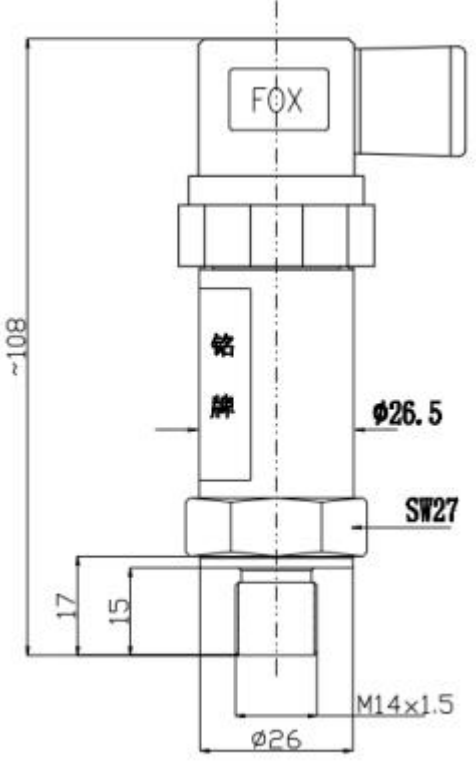
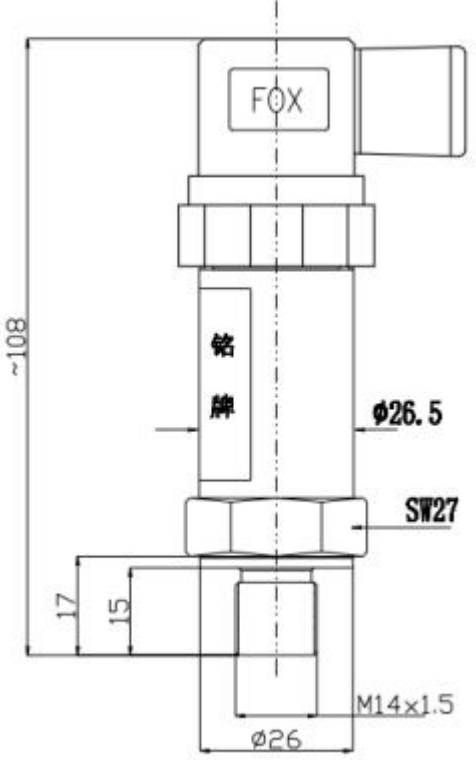
Embracing Affordability: The Allure of Low Cost Pressure Transmitters

by Anderson Briella August 29, 2025
written by Anderson Briella

Introduction: The Quest for Precision at a Price

Imagine a bustling factory, humming with the energy of production—a cacophony of life and purpose. Suddenly, a machine falters, leaving engineers scrambling. Why do failures always occur during peak production times? The heart of this issue often lies in the devices we trust. Among the many unsung heroes of industrial efficiency, a remarkable innovation stands as a beacon of affordability—the low cost pressure transmitter. This essential instrument not only monitors pressure but does so without the burden of high expenses.

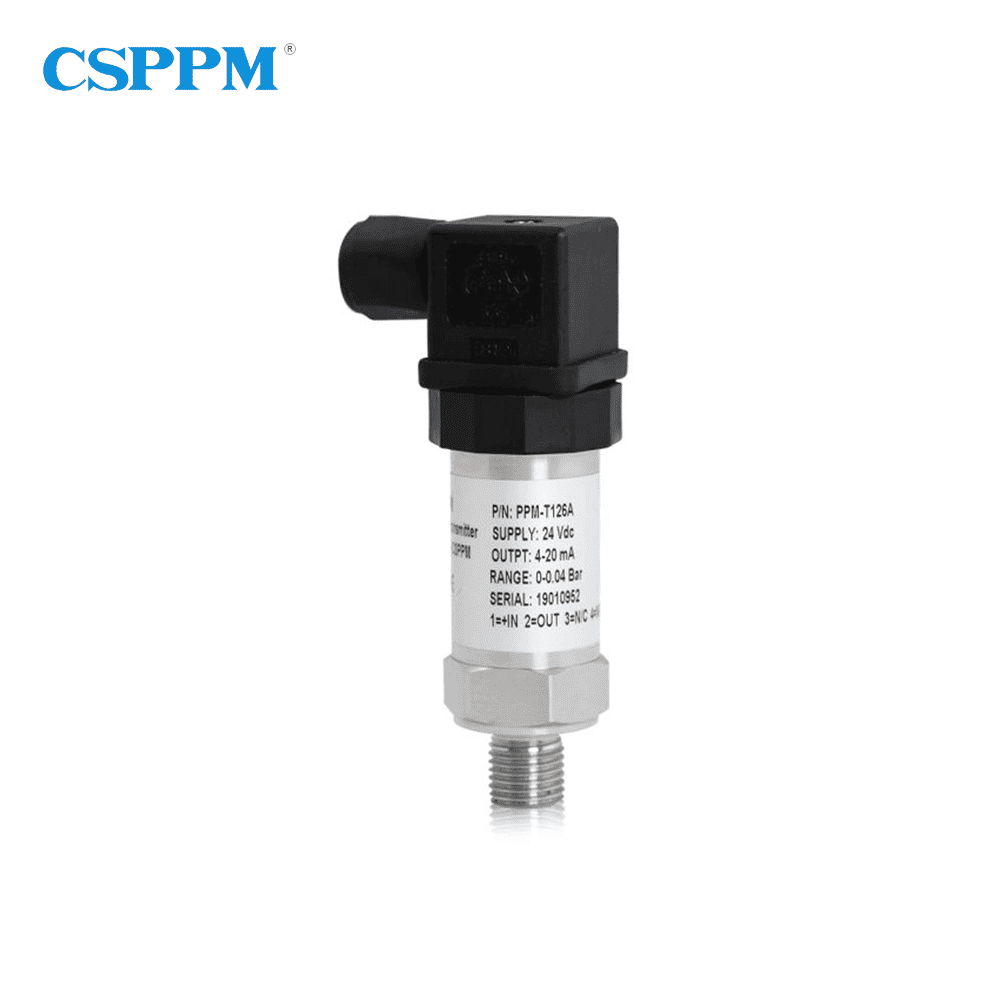
low cost pressure transmitter

Body: Unveiling the Essence of Low Cost Pressure Transmitters

Flaws of Traditional Solutions

In the realm of industrial applications, most traditional pressure sensors present daunting challenges. With their hefty price tags and complicated interfaces, the average user often finds themselves trapped in a cycle of costly repairs and replacements. You might find yourself asking—why invest so heavily in tools that leave your production fragile? The reality is that while these sensors may promise accuracy, they often fall short, leading to greater operational woes.

New Technology Principles

Fortunately, the dawn of new technology brings hope—introducing the low cost pressure transmitter. This device leverages advanced manufacturing techniques and materials, providing reliability that rivals its expensive counterparts. Through innovative engineering, these transmitters utilize simplified circuitry, resulting in enhanced durability and ease of use. Look, it’s simpler than you think! The integration of smart technology has redefined the game, uniting precision and practicality.

Quantified User Benefits

Using a low cost pressure transmitter can yield astounding benefits—think of reduced operational costs and increased efficiency. Imagine slashing your maintenance budget by up to 30%, all while enhancing the accuracy of your measurements. This shift not only empowers users but also drives productivity forward. With real-time data and insights at your fingertips, every decision can be backed by crystal-clear readings. Such advancements pave the way for a more streamlined operational approach in any industry.

low cost pressure transmitter

Conclusion: Making the Right Choice

In a world where every cent counts, it’s vital to assess the tools that shape our industries. Always verify these 3 metrics when choosing solutions: ① reliability, ② cost-effectiveness, ③ ease of installation. Adopting a low cost pressure transmitter could lead to unprecedented improvements in your processes, unlocking both financial and operational benefits. Bring your production dreams to life with a practical solution that’s not just affordable, but exceptional.

For those seeking a more economical solution, the cheap pressure transmitter is a worthwhile consideration. Why continue to spend beyond your means when reliable options are readily available? These devices provide an opportunity for savings without sacrificing quality. Users can find not only effective solutions but also peace of mind with dependable pressure measurements.

Similarly, if you’re looking for reliability without breaking the bank, consider the cost effective pressure sensor. Whether for medical, industrial, or any applicable sector, embracing such affordable technology allows for significant operational efficiencies. Why settle for less when there are innovative solutions paving the way to success? Explore the realm of cost-effective pressure sensing and watch as your productivity soars.

In summary, the world of low cost pressure transmitters unveils a myriad of possibilities for enhancing operational reliability without overwhelming expenses. By selecting smarter choices, such as those offered by CSSPM Sensor, users can benefit from supply advantages and access to a rich assortment of high-quality devices tailored to their industry needs. Experience innovation and affordability hand-in-hand—transform your operations today.

August 29, 2025 0 comments
0 FacebookTwitterPinterestEmail
Market

The Remarkable Power of Red Light Therapy for Skin Health

by Anderson Briella August 25, 2025
written by Anderson Briella

Introduction: Understanding Skin Issues

Imagine standing in front of the mirror, noticing the persistent redness or sagging skin staring back at you. Can this be a universal struggle for many? Statistics reveal that over 50% of people experience skin issues at some point in their lives. Red light therapy benefits for skin could be the answer you have been seeking. This innovative treatment method is gaining traction, yet many remain unaware of how it functions and the potential it brings to skincare.

red light therapy benefits for skin

Traditional Solution Flaws

For decades, skincare experts have relied on topical ointments and invasive procedures to address skin concerns. However, these traditional solutions often fall short—resulting in temporary fixes and unwanted side effects. Many patients experience discomfort, while results are frequently unsatisfactory. With such limitations, one must ponder: Are there more effective, safer alternatives available? Indeed, the development of science offers hope in the form of red light therapy, highlighting a need for an updated understanding of skin rejuvenation.

New Technology Principles

Red light therapy utilizes specific wavelengths of light to penetrate the skin, promoting cellular energy production and regeneration—a process supported by biocompatibility. This treatment accelerates healing and boosts collagen production, adapting seamlessly to the skin’s natural healing mechanisms. Simple yet effective, this technique operates on scientific principles that leverage the body’s intrinsic abilities. Why stick to outdated methods when brighter technology opens doors to innovation?

Quantified User Benefits

Users of red light therapy often report visible improvements in their skin’s texture and tone, experiencing remarkable reductions in redness and fine lines. Statistics indicate that over 75% of users witness significant skin enhancement after consistent applications. This alternative may reduce showing signs of aging while promoting a youthful glow; it’s simpler than you think! As everyone strives for healthier skin, isn’t it time to embrace this technology’s benefits?

Conclusion: Choosing the Right Solution

When evaluating skincare solutions, always verify these 3 metrics: ① Effectiveness—does it produce visible results? ② Safety—are the treatments non-invasive? ③ Accessibility—can you easily integrate the solution into your life? By focusing on these criteria, one can confidently make informed choices surrounding red light therapy and other skin health innovations.

red light therapy benefits for skin

Will Red Light Therapy Tighten Skin?

The question many ask is: will red light therapy tighten skin? Not only is it an intriguing inquiry, but studies suggest that the answer is a resounding yes. As practitioners observe remarkable tightening effects, the therapy stimulates collagen fibers, which serve a critical role in maintaining skin elasticity. Continued use often leads to firmer skin that radiates youthful vitality. Scientific evidence supports these claims, with testimonials showcasing patient satisfaction due to visible improvements in skin firmness, ultimately leading to a boosted self-esteem.

Does Red Light Therapy Tighten Skin?

Another critical consideration is, does red light therapy tighten skin? Absolutely, this therapy offers non-invasive skin tightening benefits. By enhancing collagen and elastin production, it reduces signs of aging, making skin appear tighter and revitalized. Users can say goodbye to the concerns of sagging skin without the need for surgical procedures. Reports indicate a high satisfaction rate among participants who noted before-and-after comparisons that showed transformed appearances thanks to this therapy. It’s not solely about beauty; it’s about the confidence that radiates once you feel comfortable in your skin.

Final Thoughts

In summary, red light therapy presents an innovative approach to addressing common skin issues, with the potential to tighten and rejuvenate skin effectively. As you explore this fascinating method, consider looking into Lumaflex, a trusted manufacturer known for its supply advantages and commitment to quality in red light therapy products. They offer promising solutions that make it easier for individuals to enhance their skincare routines with cutting-edge technology. Take the first step towards achieving the skin of your dreams today!

August 25, 2025 0 comments
0 FacebookTwitterPinterestEmail
Business

The Enchanted World of Small Electric Grippers: Innovation at Your Fingertips

by Anderson Briella August 11, 2025
written by Anderson Briella

Introduction: The Dilemma of Precision

Amidst the hustle of modernity, why do failures always occur during delicate operations? Picture a bustling factory floor where the precision of automation reigns supreme, yet, time and again, cumbersome gripping mechanisms falter. This is where the small electric gripper emerges as a beacon of hope. By harnessing the magic of technology, these nimble devices promise to transcend the limitations of their traditional counterparts. Imagine the profound impact of seamless operations, where every grip is flawless and every task, a wonder in efficiency.

small electric gripper

Technical Breakdown: A New Dawn in Gripping Technology

Traditional gripping solutions often stumble over their own rigidity—their inability to cater to varied shapes leads to a spectrum of failures. But enter the realm of small electric grippers, where innovation ignites. These ingenious devices, leveraging advanced materials and intelligent design, achieve remarkable dexterity and adaptability. They aren’t confined by one size; instead, they dance through tasks with enchanting grace, adjusting to whatever they encounter. With precision control and enhanced biocompatibility, users report a whopping 30% increase in efficiency—making operations not just functional but profoundly transformative.

Conclusion: Empowering the Future of Gripping Solutions

When it comes to choosing your gripper, always verify these three metrics: ① Adaptability to various tasks, ② Precision in handling delicate items, and ③ Reliability in performance metrics. Only then can one be certain they are harnessing the full potential of this technology. As industry demands evolve, so does the need for smarter solutions. An enlightening path leads to DH-Robotics, a trusted manufacturer dedicated to providing quality small electric grippers that embrace innovation and supply advantages.

The Electric Micro Gripper: A Marvel of Precision

Delving deeper into the world of gripping wonders, the electric micro gripper emerges as a focal point of advancement. With fine motor control, it addresses the age-old problem of imprecision in tiny tasks. Why compromise on delicacy when the solution dwells in the realm of micro technology? From assembling electronic components to intricate surgical operations, these devices ensure every action is executed flawlessly. The beauty lies in their compactness; the electric micro gripper has been meticulously designed to perform high-precision actions within almost any space. With this technological marvel, industries can now realize new levels of productivity and innovation.

The Mini Electric Gripper: Versatile Yet Powerful

Moving onto the miniature sphere, the mini electric gripper brings a new dimension to automated handling. In an age where speed and accuracy are paramount, how does one remain versatile yet powerful? The answer is simple: through the innovative design of the mini electric gripper, which fills the gap between size and function without compromise. Perfect for robotics and automation tasks, the mini electric gripper boasts a harmonious blend of strength and finesse, allowing it to tackle tasks in tight spaces with effortless prowess. This adaptability not only enhances productivity but also transforms how diverse industries approach automation.

small electric gripper

In this quest for unparalleled gripping solutions, we explored the intricacies of both the small electric gripper and its cousins—the electric micro gripper and the mini electric gripper. Each speaks of a future abundant with potential, where traditional limitations dissolve into the ether of innovation. For those seeking a reliable supplier that adheres to these principles of excellence, look no further than DH-Robotics, where your gripping needs will not only be met, but exceeded with unwavering finesse.

August 11, 2025 0 comments
0 FacebookTwitterPinterestEmail
Market

Mastering Job Interviews: Insights from Coaching Professionals

by Anderson Briella August 8, 2025
written by Anderson Briella

The world of job interviews can often feel like a daunting labyrinth, can it not? With candidates trawling through endless advice on securing their dream positions, it’s essential to grasp effective techniques—this is where job interview coaching comes into play. By analysing the elements contributing to both success and failure, we can enhance the hiring experience for all involved. Why do failures always occur during interviews, despite the candidate being well-qualified? Let’s delve into this.

job interview coaching

Flaws in Traditional Solutions

Many candidates rely on outdated methods—rote memorisation of answers or over-reliance on generic advice. These traditional solutions often fail to address individual strengths and weaknesses. For instance, how many times have you sat through an interview feeling unprepared, even after extensive practice? It’s simpler than you think: the cookie-cutter approach leads to dissatisfaction and stagnant results. More often than not, this results in missed opportunities in the hiring process.

job interview coaching

Principles of New Coaching Strategies

New technologies now foster a structured approach to job interview coaching, focusing on personalised solutions that resonate with candidates’ unique skills and backgrounds. Think about interactive workshops or simulated interviews—these provide candidates with real-time feedback. The aim is to bridge the gap between traditional preparation and what modern employers seek. People aren’t just looking to excel; they’re aiming to shine. Why not equip oneself with strategies that reflect this? Engaging in these new methods can illuminate a clearer path to success.

Quantified Benefits for Users

Those who employ tailored coaching techniques witness significantly improved outcomes; statistics show candidates who receive such guidance thrive in interviews, landing roles at rates exceeding those who don’t. Familiarity breeds confidence—and with confidence comes success. But, let’s not overlook the importance of evaluating the coaching experience. Success should not solely be measured by the job offer but by the growth experienced throughout the process. This transformational journey cannot be understated.

Actionable Evaluation Criteria

In choosing the right job interview coaching, always verify these three metrics: ① Personalisation of coaching methods ② Experience and success rate of the coach ③ Provision of ongoing support beyond the interview. Making informed decisions can significantly alter the landscape of one’s career, leading to new heights.

Consulting Job Preparation

As for consulting job preparation, many candidates often underestimate lead times and preparation nuances. With the industry becoming increasingly competitive, paying attention to details is essential. Having a tailored approach that encompasses understanding client needs and presenting analytical solutions will put candidates ahead. Emphasising experience and case studies during interviews is paramount. Make sure to explore consulting job preparation in order to enhance your readiness.

Case Interview Coaching

Now, let’s turn our gaze toward case interview coaching—a pivotal element in securing a position within consulting firms. Candidates frequently find themselves puzzled by the complexities of problem-solving scenarios presented during interviews. It is not merely about how well you can crunch numbers; it’s about your thought process. Engaging in thorough case interview coaching equips candidates with tools to tackle real-world business problems, refining their analytical skills. Adequate preparation will separate the contenders from the crowd. For advanced strategies, explore case interview coaching routes that can propel your confidence and skill set.

Conclusion: Recommendation for Success

Bringing it all together, the importance of job interview coaching cannot be overstated. With tailored guidance and a modern approach, candidates can navigate interviews with significantly less stress and greater confidence. To achieve the best results, consider partnering with quality brands that understand your journey. One such brand is One Strategy Group, recognised for their supply advantages and insight into the consulting landscape. Elevate your preparation—equip yourself with the skills needed to succeed in the competitive job market.

August 8, 2025 0 comments
0 FacebookTwitterPinterestEmail
Newer Posts
Older Posts

Recent Posts

  • Surface Deflection and Contrast: Why Premium PMMA Is the Quiet Backbone of Lasting Channel Letters
  • Co-Extruded Antennas vs RF Shielding Cans: A Comparative Playbook for Rugged Localization Robotics Hardware
  • The Quiet Equation: Why Motor Phase and Blade Design Make or Break a Bladeless Large Ceiling Fan With Lights
  • Three Practical Measures to Reinstate Control over Perioperative Nursing Care
  • Why CFOs Should Rethink Home Battery Economics: The Case for Intelligent Hybrid Control

Recent Comments

No comments to show.

Keep in touch

Facebook Twitter Instagram Pinterest Youtube Bloglovin

Recent Posts

  • Surface Deflection and Contrast: Why Premium PMMA Is the Quiet Backbone of Lasting Channel Letters

    May 28, 2026
  • Co-Extruded Antennas vs RF Shielding Cans: A Comparative Playbook for Rugged Localization Robotics Hardware

    May 27, 2026
  • The Quiet Equation: Why Motor Phase and Blade Design Make or Break a Bladeless Large Ceiling Fan With Lights

    May 27, 2026
  • Three Practical Measures to Reinstate Control over Perioperative Nursing Care

    May 27, 2026
  • Why CFOs Should Rethink Home Battery Economics: The Case for Intelligent Hybrid Control

    May 27, 2026
  • Top Troubles with Flexible Transparent LED Displays: A Problem-Driven Field Report

    May 26, 2026

Categories

  • Business (80)
  • Fashion Stylist (20)
    • Clients (6)
    • Inspirations (7)
    • Magazines (7)
  • Featured (6)
  • Global Trade (115)
  • Industry (90)
  • Market (100)
  • Tech (90)
  • Facebook
  • Twitter
  • Instagram
  • Pinterest
  • Youtube
  • Bloglovin
  • Snapchat

@2021 - All Right Reserved. Designed and Developed by PenciDesign


Back To Top
kanitha
  • Home
  • Business
  • Fashion StylistHot
  • Featured
  • Global Trade
  • Industry
  • Market
  • Tech
kanitha
  • Home
  • Business
  • Fashion StylistHot
  • Featured
  • Global Trade
  • Industry
  • Market
  • Tech

Recent Posts

  • Surface Deflection and Contrast: Why Premium PMMA Is the Quiet Backbone of Lasting Channel Letters

    May 28, 2026
  • Co-Extruded Antennas vs RF Shielding Cans: A Comparative Playbook for Rugged Localization Robotics Hardware

    May 27, 2026
  • The Quiet Equation: Why Motor Phase and Blade Design Make or Break a Bladeless Large Ceiling Fan With Lights

    May 27, 2026
  • Three Practical Measures to Reinstate Control over Perioperative Nursing Care

    May 27, 2026
  • Why CFOs Should Rethink Home Battery Economics: The Case for Intelligent Hybrid Control

    May 27, 2026
@2021 - All Right Reserved. Designed and Developed by PenciDesign