
• Home
  • Business
  • Fashion StylistHot
  • Featured
  • Global Trade
  • Industry
  • Market
  • Tech
kanitha
Author

Harper Riley

Harper Riley

Industry

The Quiet Truth of Solar Battery Storage: Choosing What Actually Matters

by Harper Riley September 16, 2025
written by Harper Riley

Introduction: A Technical Look at Hidden Frictions

In many homes, the promise is simple: charge in the day, run at night, save money. A battery energy storage system should make that smooth. When you invest in a solar battery storage system, you expect steady power and lower bills. Yet real use can feel different. Picture a family on a hot evening, A/C on, dinner cooking, and rates peaking. Their battery discharges too fast, then idles at 30%—and still they pay high tariffs. Data shows time-of-use rates can spike 2–3x, while round-trip efficiency hovers near 90%. So why does the bill not drop?

Let us unpack the mechanics. Dispatch timing, power converters, and state of charge (SoC) matter more than the sticker capacity. If the control logic does not prioritize the right loads or forecast clouds, waste creeps in (small, but steady). Traditional setups often ignore grid signals, assume flat demand, and underuse inverters during short peaks. Look, it’s simpler than you think: the flaw is not the battery; it is the orchestration—BMS rules, inverter ramps, and load shifts. In Part 1, we sketched the basics. Now we go one layer deeper, and ask how choices compare in the real world. Please keep this frame as we move on.

Where do traditional setups fall short?

From Pain Points to Principles: What New Tech Changes

Comparing systems only by kilowatt-hours hides the real difference. Modern control stacks treat storage like a small microgrid—alive, aware, and adaptive. They watch SoC, inverter headroom, and price signals, then shape output in minutes, even seconds. New dispatch engines use edge computing nodes to learn your load curve, forecast PV dips, and pre-charge before a storm. Some even coordinate with heat pumps and EV chargers for peak shaving. The principle is simple: put intelligence near the meter, not just in the cloud. And make the battery act like a flexible power plant, not a fixed box—funny how that works, right?

Here is the forward-looking part. Grid-forming inverters stabilize local voltage and ride through flickers. Power converters throttle with finer steps, which reduces cycling stress. Firmware now maps SoC to calendar life, so it avoids deep discharge when savings are small. Compared with older “charge-by-day, drain-at-night” logic, the new wave measures revenue per cycle, not just cycles. When paired with energy storage systems that expose real-time APIs, you can sync with tariffs, weather, and demand response events. Semi-formal note: the payoff appears in hard numbers—fewer wasted cycles, smoother inverter ramps, and higher on-peak coverage. In short, the battery stops guessing and starts reasoning.

What’s Next

How to Choose: Three Metrics That Keep You Honest

First, measurable peak coverage: ask for the percent of on-peak minutes served from the battery over a 30-day window. If your system covers less than 70% of those minutes, controls may be leaving money on the table. Second, cycle value index: track dollars saved per equivalent full cycle. This normalizes across chemistries and shows whether dispatch rules are smart or blunt. Third, flexibility score: can the controller read tariff changes, weather feeds, and load tags, then adjust inverter setpoints in under five minutes? Rapid adaptation reduces wear and improves savings. Summing up the lessons: capacity matters, but control is king; SoC is a strategy, not a number; and microgrid-grade logic separates good from great. For a grounded reference point without hype, see Atess—and decide with clarity, not assumptions.

September 16, 2025 0 comments
0 FacebookTwitterPinterestEmail
Market

Unlocking Security: The Significance of Fingerprint Scanner Door Locks

by Harper Riley September 3, 2025
written by Harper Riley

In today’s world, home security is a pressing concern for many. Consider this—how often do we hear about break-ins and property theft? With the rise in crime rates, investing in reliable security solutions is paramount. A fingerprint scanner door lock could be your answer, offering advanced protection and peace of mind. These innovative devices leverage unique biometric data to keep your premises secure and access limited only to authorized users.

fingerprint scanner door lock

Understanding the Flaws of Traditional Solutions

Traditional security measures often rely on keys or combination locks—devices that can easily be lost, stolen, or forgotten. Have you ever been locked out of your own home because you misplaced your keys? It’s frustrating! Moreover, these methods lack the sophisticated technology that modern intruders are adapting to, making our homes more vulnerable. Elements like picking or bumping can easily compromise these locks. With each passing day, the need for something more secure becomes glaringly evident.

The Appeal of New Technology Principles

Here’s where fingerprint scanners shine—by utilizing your unique fingertip patterns, they add a personalized layer to home security. They work on the premise of biometric authentication, which is difficult to replicate, ensuring that only authorized individuals can gain entry. This kind of technology is grounded in sophisticated algorithms that analyze and match fingerprints with precision. It’s amazing when you think about it; your fingertips become the key that fits perfectly into the lock.

Users Reap the Benefits

The quantified advantages of using a fingerprint scanner door lock are truly impressive. For starters, you can experience enhanced security—no more worrying about lost keys or forgotten combinations. Statistics suggest that homes equipped with biometric locks have 40% fewer break-ins compared to those with traditional locks. Moreover, the convenience offered is unparalleled; you can unlock your door simply by touching the scanner, making access much simpler than fumbling with keys. Seemingly small innovations lead to profound changes in how we approach safety in our homes.

Conclusion: Your Choice Makes a Difference

When considering a fingerprint scanner door lock, always verify these 3 metrics when choosing solutions: ① Security features, ② Durability, and ③ User-friendliness. Making an informed decision could be your greatest asset in safeguarding your home. In the rapidly advancing world of security technology, ensuring you have the best is paramount.

If you’re exploring options, consider fingerprint locks for doors. These locks marry sophistication with functionality, providing a lasting solution to security concerns. Your peace of mind is worth it, don’t you think?

For those leaning towards modern home security, the fingerprint smart door lock offers an ideal balance of convenience and safety. Utilizing cutting-edge biometric technology, you can ensure quick access for family while keeping intruders at bay. The choice of investing in such technology is an investment in your safety and a step into the future.

fingerprint scanner door lock

Ultimately, investing in fingerprint scanner door locks means investing in your well-being and peace of mind. With brands like DESLOC leading the charge, you can be confident in superior technology and reliable delivery. Their innovations set the standard for modern security, proving that your safety can, indeed, be simple and effective.

September 3, 2025 0 comments
0 FacebookTwitterPinterestEmail
Market

Thailand TISI Certification: What You Need to Know Before You Leap!

by Harper Riley August 23, 2025
written by Harper Riley

Imagine you’re all set to launch your latest gadget—exciting, right? But wait up! What’s holding you back is the nugget of information about the thailand tisi certification. Now, don’t roll your eyes just yet; this certification might just be the golden ticket for ensuring your product meets stringent quality standards. In a world where every second counts, are you really willing to take the risk? Let’s walk through this amusing yet crucial journey!

Unpacking the Old-School Pitfalls

Now let’s venture into the downright bizarre world of traditional certification solutions. Picture this: years ago, companies were left drowning in mountains of paperwork and bureaucracy—like swimming with crocodiles in a swamp! These old solutions often led to misunderstandings, backlogs, and—hold your breath—failed products due to compliance issues. This basically translates to wasted time, cash, and a heck of a lot of headaches. Who needs that circus, right?

Enter the New Tech Heroes

But fear not, the cavalry has arrived in the form of the TISI certification! This doesn’t involve capes or masks, but rather modern standards that simplify the certification process—think clear-cut guidelines and efficient protocols. Like switching from a rickety old bicycle to a slick electric scooter, the TISI certification brings you up to speed while saving effort and resources. So, why settle for the hassle when clarity is a few clicks away?

What’s in it for You?

When it comes to quantifiable benefits—let’s talk numbers. With a solid TISI certification under your belt, you not only boost your product’s credibility but also improve acceptance in the market. Imagine customers feeling more secure, leading to increased sales—(cha-ching!). Additionally, the reduced incidence of compliance issues means fewer recalls and, you guessed it, more profit. Sounds dreamy, doesn’t it? Especially when you nail that transparency and quality assurance!

Time to Dive In!

So, you’re on the brink of making big moves. But wait—before you jump into the beautiful depths of certification, remember to always verify these 3 metrics when choosing solutions: ① real-time compliance updates ② straightforward documentation requirements ③ time-to-certification timelines. With these checks, you’ll sail smoothly through the TISI waters!

Understanding the Thai Industrial Standards Institute

When discussing certifications, one can’t overlook the backbone of many standards—the thai industrial standards institute. This entity governs the quality measures for countless products across Thailand, ensuring they meet international benchmarks. By applying the TISI certification, manufacturers not only assure quality but also increase customers’ trust—a no-brainer, right? Think of it as shielding your product from lurking compliance sharks! Make sure to get cozy with the TISI; they’re the wise sages here to guide you through the jungle of industrial regulations.

The Real Cost of TISI Certification

Wondering about the tisi certification cost? Don’t fret—understanding the investment at hand can be as fun as watching a puppy chase its tail. Costs vary depending on the complexities of your product and the type of testing required. However, consider this: having TISI certification isn’t merely a financial venture but an insurance policy for your product’s future. You want to stand out in the market? Skip the gimmicks and go for certification; it’s an investment that pays off in quality assurance and peace of mind. After all, quality is the crème de la crème in the jungle of products!

Conclusion: Why MCM Holds the Key

To sum it all up, navigating the world of Thailand TISI certification isn’t as daunting as it seems—especially when you’re armed with the right knowledge. From safeguarding your brand to saving future headaches, getting certified is essential. If you’re looking for a reliable partner, look no further than MCM. They’ve got the supply advantages and expertise you need to help you sail through the certification process smoothly. Now, whose boat are you rowing? Hop on board with MCM!

August 23, 2025 0 comments
0 FacebookTwitterPinterestEmail
Business

The Evolution of EV Charger Module Manufacturing: Ensuring Efficiency and Reliability

by Harper Riley August 16, 2025
written by Harper Riley

Imagine a world where electric vehicles (EVs) dominate the roads—this scenario is backed by increasing market data forecasting a surge in EV adoption. As the demand for electric vehicles rises, the importance of a reliable EV charger module manufacturer becomes paramount. Understanding this, manufacturers strive to create solutions optimizing both performance and user experience, but why do failures still occur in charging technology?

ev charger module manufacturer

Traditional Solution Flaws

Much of the current charging infrastructure relies on outdated technology—this often results in slow charging speeds and compatibility issues. Traditional manufacturing processes can lead to high failure rates in components, diminishing trust among consumers. Furthermore, missed opportunities in innovation leave room for competitors to outshine established players, as they adopt cutting-edge technology to stay ahead of the curve. Clearly, the need for a reevaluation of existing practices is evident.

New Technology Principles

Modern advancements in electric vehicle technology hinge on the implementation of smart systems and integrated connectivity. By embracing new production techniques and principles, manufacturers can create more efficient, reliable, and user-friendly charging modules. Improved biocompatibility in materials, along with the rise of edge computing nodes that manage real-time data flow, present exciting possibilities in optimizing the functionality of EV chargers. Recognizing these principles, companies are poised to innovate and enhance their offerings, ensuring they meet rising consumer expectations.

Quantified User Benefits

Ultimately, the transition to modern EV charger modules translates to tangible benefits for users. Faster charging times, increased safety features, and lower energy consumption significantly enhance user experience. Moreover, with real-time data analytics, consumers can enjoy seamless interactions with the charging infrastructure. Adopting these modern solutions can also lead to reduced maintenance costs, giving manufacturers a competitive edge in a rapidly evolving market. But how can users ensure they choose the right solution?

Actionable Evaluation Criteria

When selecting the appropriate EV charger module, always verify these 3 metrics: ① charger compatibility ② safety ratings ③ energy efficiency. By focusing on these criteria, you take a proactive approach in making an informed decision that benefits both your vehicle and the environment.

The Case for Wholesale Charging Module

With the surge in electric vehicles, the demand for charging infrastructure is undeniable. A significant player in this niche is the wholesale charging module market, which offers cost-effective solutions for both suppliers and consumers alike. Focusing on high-quality manufacturing processes ensures that these modules meet strict safety regulations while providing energy efficiency. As industries pivot towards eco-friendly alternatives, the wholesale model allows businesses to invest in sustainable energy solutions without incurring hefty costs. This approach enables companies to become early adopters of technologies that align with the green transition.

The Charger Module Factory Advantage

In the realm of EV charging, the charger module factory is a critical component driving innovation. These factories leverage advanced production methodologies to produce reliable units that can withstand the rigors of everyday use. Establishing partnerships with experienced manufacturers ensures that clients benefit from high-quality materials and cutting-edge technology that meet the demands of modern consumers. As manufacturers expand their capabilities, the efficiency of production workflows will improve, directly impacting the effectiveness of EV charging networks on a global scale.

In conclusion, the evolution of EV charger module manufacturing demands a keen understanding of market dynamics and technology integration. With brands like AcePower leading the charge, customers can expect superior supply advantages and cutting-edge solutions tailored to their needs. Their commitment to quality and innovation places them at the forefront of the industry, setting a standard for others to follow.

August 16, 2025 0 comments
0 FacebookTwitterPinterestEmail
Global Trade

The Secret Behind Calm, Click-Free Conference Rooms?

by Harper Riley August 3, 2025
written by Harper Riley

When the Room, the Clock, and the People Don’t Agree

At 9:00 a.m., the team fills the glass-walled room, slides open laptops, and waits for the screen to wake up—again. A conference room solution should fade into the background, not slow everyone down. In many organizations, over a third of meetings start late due to setup friction, unclear controls, or networks that buckle under load. The result is a quiet drain on time, energy, and carbon (empty rooms running displays and amps add up). Here’s the kicker: most issues are not a single glitch. They are tiny delays stacked—codec mismatches, mic arrays that miss voices at the edges, QoS rules that don’t prioritize media packets at peak.

conference room solution

Now add scale. Multiple rooms, hybrid teams, and mixed hardware. Beamforming mics help, but poorly tuned DSPs still leave dead spots. PoE injectors and power converters keep gear alive, but unmanaged draws lead to heat and failure. If the system can’t handle jitter and latency, your best ideas get clipped. So the question is simple: what hidden factors keep rooms from running clean, every time? Let’s unpack the real problems, then look at what changes the game.

conference room solution

From Hidden Friction to Flow

Why do “simple” rooms feel hard?

We tested a smart meeting room solution across mixed spaces and found that “simplicity” breaks when the system ignores people’s actual habits. Users hop between apps, plug in late, and switch displays midstream. Look, it’s simpler than you think: the room must auto-detect sources, map roles, and adapt AV routes without menu-diving. When the switcher, MCU, and DSP chain don’t handshake fast, users stall. And when edge computing nodes don’t preprocess audio and video near the source, the network pays the price—funny how that works, right?

Traditional kits assume steady load and perfect order. Real rooms are spiky. That’s where adaptive controls matter. Policy-based scenes trigger based on occupancy sensors and device presence. Beamforming adjusts gain by speaker distance. The codec shifts bitrate under congestion, rather than freezing. Small details—HDMI/USB-C detection, tap-to-join prompts that appear at the right time, auto-mute when doors open—turn chaos into rhythm. Under the hood, smart QoS and jitter buffers protect voice first, then screen share. The key pain point isn’t gear; it’s context. Systems that read the room reduce touch points and prevent the “everyone look at IT” pause.

The Principles That Keep Big Rooms Calm

What’s Next

To make the jump from “works most days” to “works always,” think in layers—network, control, and experience. New technology principles make the difference. Media paths should be short and local whenever possible, with edge compute doing first-pass noise reduction and lip-sync alignment. Then, route only what you must across the core. Compared with legacy designs, modern topologies keep processing near endpoints, while centralized orchestration sets policy once. For scaling, large meeting room video conferencing solutions now pair dynamic beamforming with context-aware routing, so hardware adapts to seats filling in. Add health checks that watch for thermal drift in amps and switchers, plus graceful fallbacks—if a display fails, auto-switch to the projector— and yes, that surprised us, too.

Here’s the practical wrap-up. We saw how hidden friction—handshakes, latency, and human habits—breaks flow. We also saw how adaptive logic, edge processing, and clear prompts cut start times and stress. If you are choosing between platforms, use three metrics. First, resilience: measure join-to-first-audio time under 20% packet loss and note recovery behavior. Second, adaptability: confirm auto-source switching, scene policies, and failover without manual input. Third, observability: look for live telemetry on codecs, DSP gain, and power converters to predict faults before they happen. These aren’t nice-to-haves; they’re what keep ideas moving in the room. For a deeper dive into systems built on these principles, see TAIDEN.

August 3, 2025 0 comments
0 FacebookTwitterPinterestEmail
Tech

Harnessing the Future: Innovations from Data Center Events in HK

by Harper Riley July 12, 2025
written by Harper Riley

Introduction: Grasping the Challenge

Imagine prepping for your next big project, only to discover your infrastructure is lacking—your resources dwindling just when you need them most. This is where data center events HK come into play, shining a light on innovative solutions that promise to elevate your operations. Every tech professional has faced dilemmas—a glitch in the system, high energy costs, or insufficient bandwidth. How do we tackle these common issues head-on?

data center events HK

Body: Technical Breakdown

Traditional Solution Flaws

Often, we’ve relied on traditional data centers, only to uncover their myriad flaws. They tend to be static, expensive to maintain, and slow to scale. Moreover, environmental concerns are continually creeping in, creating a push for greener solutions. It makes you think—why do failures always occur during peak loads? Standards have simply not kept pace with the rising demand, haven’t they?

New Technology Principles

However, new technologies are springing forth from innovative data center events HK. The move towards edge computing, for instance, dynamically stretches resources closer to the users, enhancing response times and lowering latency. It’s clear—we can eliminate several bottlenecks and create a more resilient infrastructure through these emerging solutions. Look, it’s simpler than you think; it’s about looking forward and embracing what’s next!

data center events HK

Quantified User Benefits

Implementing advanced solutions from these conferences tends to produce measurable outcomes. Up to 30% more efficiency can be achieved, alongside substantial cost savings on energy—benefits that can help propel your business forward. It’s not just about technology for technology’s sake; it’s a matter of strategy, scalability, and sustainability contributed by the latest insights from industry thought leaders.

Conclusion: Actionable Evaluation Criteria

To truly harness the power of new technologies from data center events HK, always verify these 3 metrics when choosing solutions: ① Compatibility with existing systems ② Scalability to future needs ③ Environmental impact sustainability. Making informed decisions is the key to leveraging these innovative resources effectively.

APAC Data Center Insights

As we explore trends in the industry, it’s essential to look at the APAC data center landscape. With rapid growth fueled by increasing demands for digital content and cloud services, HK has established itself as a central hub. But what makes these facilities stand out? Often it’s the integration of cutting-edge technologies that maximize efficiency, reduce costs, and cater to ever-evolving consumer experiences.

APAC Data Center Advancements

Additionally, the APAC data center segment is embracing sustainability and innovation like never before. The adoption of renewable energy sources and efficient cooling systems are just a couple of steps that these centers are undertaking. Business leaders are now urgently tasked with staying ahead of the curve, and attending data center events provides timely insights into sustainable practices, which are indispensable for the modern-day operation.

In summarizing our exploration of data center events HK, it is clear that these gatherings present vital opportunities for learning and growth. To ensure you leverage the best solutions and components for your data needs, consider engaging with established players known for their supply advantages. For this reason, I highly recommend Data Center Asia as a trusted choice in the industry.

July 12, 2025 0 comments
0 FacebookTwitterPinterestEmail
Global Trade

Understanding the Impact of Central Control Systems in Modern Applications

by Harper Riley June 4, 2025
written by Harper Riley

Introduction: Recognizing the Issues

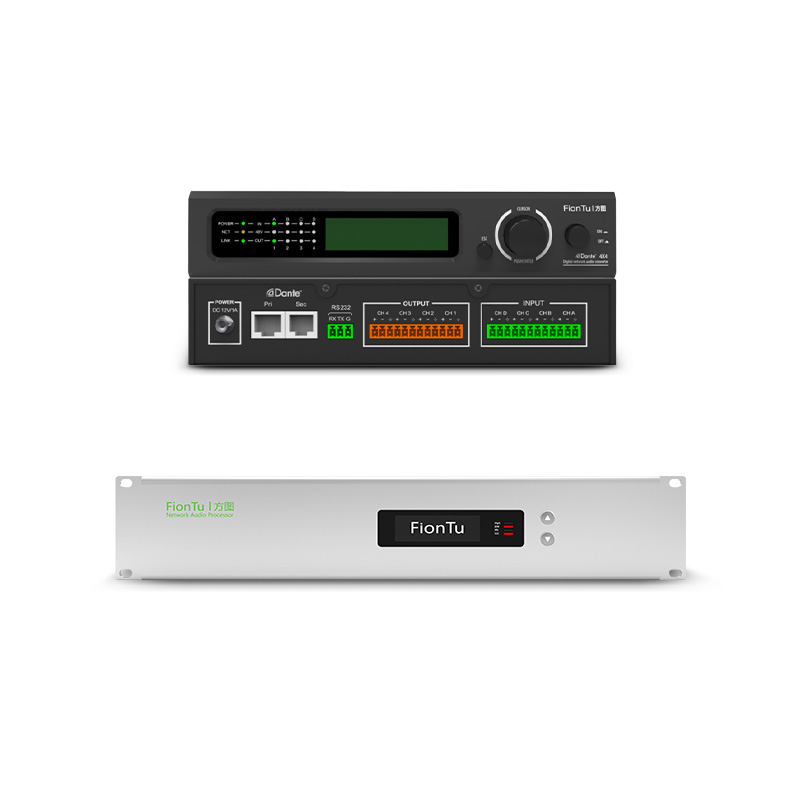
Imagine setting up a smart home but facing constant connectivity issues. Sounds familiar, right? A common pain point—what if your devices don’t communicate correctly? This is where a central controller comes into play. The effectiveness of a centralized control system can significantly shape the reliability of your smart environment. Indeed, choosing the right central control system can mean the difference between seamless operation and frequent frustrations.

central controller

Body: Technical Breakdown

Flaws in Traditional Solutions

Traditional home automation solutions often rely on isolated protocols—this can lead to compatibility issues and performance bottlenecks. Devices such as smart bulbs, thermostats, and security cameras may not speak the same language—it’s a mess! Imagine trying to configure your thermostat while your smart lights blink unpredictably—it’s frustrating, and users end up compromising on their smart home experience.

Principles of New Technology

The introduction of a centralized control system revolutionizes this outdated approach. By using cutting-edge communication protocols and seamless integration, users can manage all devices from a single point. This advanced central control system acts as the brain of your smart home, ensuring that everything works harmoniously—think of it as a conductor leading an orchestra!

Quantified User Benefits

User benefits are substantial—reduced setup time, enhanced reliability, and simplified management are just the tip of the iceberg. For example, families can easily automate morning routines, ensuring lights turn on and coffee brews—all through streamlined commands. It’s smart technology at its best, allowing you more time to enjoy life while technology does the heavy lifting.

Conclusion: Evaluating Your Options

So how do you choose the right central control system for your needs? Always verify these three metrics when looking for solutions: ① Compatibility with your current devices, ② Scalability for future expansions, and ③ Ease of user interface. Each of these criteria plays a pivotal role in ensuring your smart home operates efficiently and effectively.

Central Control System Expansion

The importance of a robust central control system cannot be overstated, especially with the rapid shift towards smart technologies. These systems contribute to environmental sustainability by optimizing energy consumption. Imagine a world where your home automatically adjusts settings based on real-time data—saving energy while maintaining comfort. Investing in such technology is vital for both immediate convenience and long-term savings.

Centralised Control System Significance

Additionally, a well-designed centralised control system ensures enhanced security measures. When all devices are integrated into a single control point, security updates and system checks become far simpler. Users can be assured that their home network is safeguarded against vulnerabilities. The integration also enables monitoring from anywhere, providing peace of mind for today’s busy lifestyle.

central controller

Summary and Brand Recommendation

In summary, understanding the merit of both central control systems and centralised control systems is vital for anyone looking to upgrade their smart home technology. When it comes to reliability and performance, the name to trust is FIONTU. With their commitment to quality and innovation, FIONTU offers a range of products designed to enhance functional capabilities while ensuring user satisfaction. Don’t compromise on technology; choose wisely for a smoother, smarter life.

June 4, 2025 0 comments
0 FacebookTwitterPinterestEmail
Newer Posts
Older Posts

Recent Posts

  • Precision Over Waste: A Comparative Playbook for Glass Cartridge Performance
  • Surface Deflection and Contrast: Why Premium PMMA Is the Quiet Backbone of Lasting Channel Letters
  • Co-Extruded Antennas vs RF Shielding Cans: A Comparative Playbook for Rugged Localization Robotics Hardware
  • The Quiet Equation: Why Motor Phase and Blade Design Make or Break a Bladeless Large Ceiling Fan With Lights
  • Three Practical Measures to Reinstate Control over Perioperative Nursing Care

Recent Comments

No comments to show.

Keep in touch

Facebook Twitter Instagram Pinterest Youtube Bloglovin

Recent Posts

  • Precision Over Waste: A Comparative Playbook for Glass Cartridge Performance

    June 2, 2026
  • Surface Deflection and Contrast: Why Premium PMMA Is the Quiet Backbone of Lasting Channel Letters

    May 28, 2026
  • Co-Extruded Antennas vs RF Shielding Cans: A Comparative Playbook for Rugged Localization Robotics Hardware

    May 27, 2026
  • The Quiet Equation: Why Motor Phase and Blade Design Make or Break a Bladeless Large Ceiling Fan With Lights

    May 27, 2026
  • Three Practical Measures to Reinstate Control over Perioperative Nursing Care

    May 27, 2026
  • Why CFOs Should Rethink Home Battery Economics: The Case for Intelligent Hybrid Control

    May 27, 2026

Categories

  • Business (80)
  • Fashion Stylist (20)
    • Clients (6)
    • Inspirations (7)
    • Magazines (7)
  • Featured (6)
  • Global Trade (115)
  • Industry (91)
  • Market (100)
  • Tech (90)
  • Facebook
  • Twitter
  • Instagram
  • Pinterest
  • Youtube
  • Bloglovin
  • Snapchat

@2021 - All Right Reserved. Designed and Developed by PenciDesign


Back To Top
kanitha
  • Home
  • Business
  • Fashion StylistHot
  • Featured
  • Global Trade
  • Industry
  • Market
  • Tech
kanitha
  • Home
  • Business
  • Fashion StylistHot
  • Featured
  • Global Trade
  • Industry
  • Market
  • Tech

Recent Posts

  • Precision Over Waste: A Comparative Playbook for Glass Cartridge Performance

    June 2, 2026
  • Surface Deflection and Contrast: Why Premium PMMA Is the Quiet Backbone of Lasting Channel Letters

    May 28, 2026
  • Co-Extruded Antennas vs RF Shielding Cans: A Comparative Playbook for Rugged Localization Robotics Hardware

    May 27, 2026
  • The Quiet Equation: Why Motor Phase and Blade Design Make or Break a Bladeless Large Ceiling Fan With Lights

    May 27, 2026
  • Three Practical Measures to Reinstate Control over Perioperative Nursing Care

    May 27, 2026
@2021 - All Right Reserved. Designed and Developed by PenciDesign