
User-first Snapshot
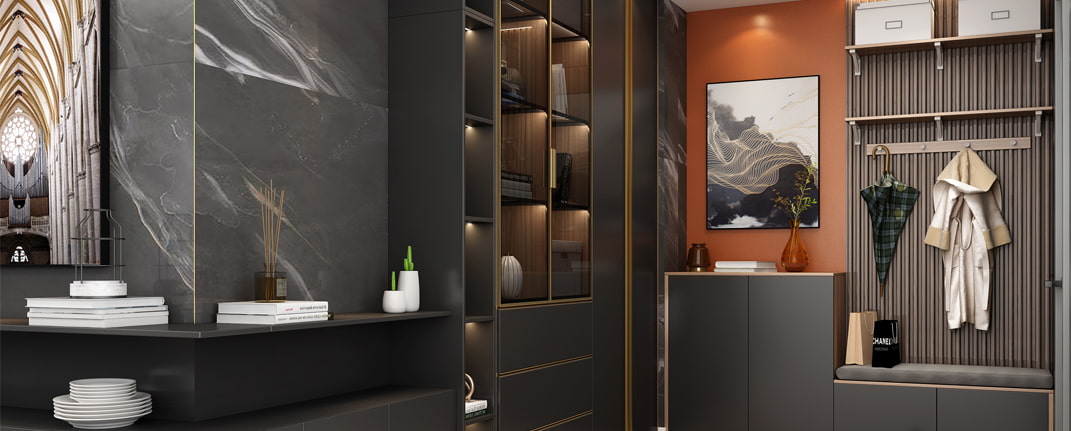
When you plan a full-house reno, the choices get heavy fast — timeline, presupuesto, and style all matter. For many homeowners I work with across Mexico City and Guadalajara, thermofoil hits the sweet spot: affordable finish, fast lead times, and clean maintenance. If you’re already shopping around, check a trusted shoe cabinet manufacturer model to see how factory lines handle finished panels and hardware integration; that factory workflow is the same logic thermofoil makers use for kitchen doors.
1 — Predictable Cost Control and Faster Delivery
Full-house projects need a vendor who respects schedule. Thermofoil doors are produced on repeatable lines using HDF substrate and heat-applied vinyl, so manufacturers can quote stable lead times and costs. That predictability keeps carpenters and electricians from waiting around, which means lower labor overruns on your job. For a buyer focused on whole-home pacing, that predictability is gold.
2 — Consistent Finish and Low Maintenance
Thermofoil gives a uniform surface that resists moisture better than painted MDF in many day-to-day scenarios. The sealed surface simplifies cleaning — a quick wipe, no resealing — and that matters when you outfit multiple kitchens, pantries, and utility rooms. Use reasonable hardware and edge-banding details and you get long-lived panels with minimal fuss.
3 — Wide Design Range Without Custom Price Spikes
Manufacturers can reproduce many colors and textures reliably, from flat solids to simple woodgrains. That means you can specify coordinated cabinets across bedrooms and wet areas without the custom premium of solid wood finishes. If you want a unified look for a full-house project, thermofoil often beats mixed-material headaches while keeping paint-match headaches away.
4 — Practical Durability for Everyday Life
Thermofoil resists stains and handles frequent cleaning — useful in family homes where daily wear shows fast. It’s not indestructible: high heat at door edges or gouges from sharp objects will show damage. Still, for most families it provides serviceable durability across many rooms when installed with proper cabinet carcass alignment and robust hardware.
5 — Easier Specification and Less Onsite Work
Because thermofoil components come factory-finished, onsite finishing work shrinks. That reduces dust and disruption in occupied homes, and installers spend more time fitting doors and less time sanding and spraying. If you’ve done a remodel in Condesa or Polanco, you know less dust keeps the neighbors happy — and your timeline on track.
Choosing the Right Manufacturer — Common Mistakes and How to Avoid Them
Many folks assume all thermofoil is the same — that’s the mistake. Pay attention to these points:
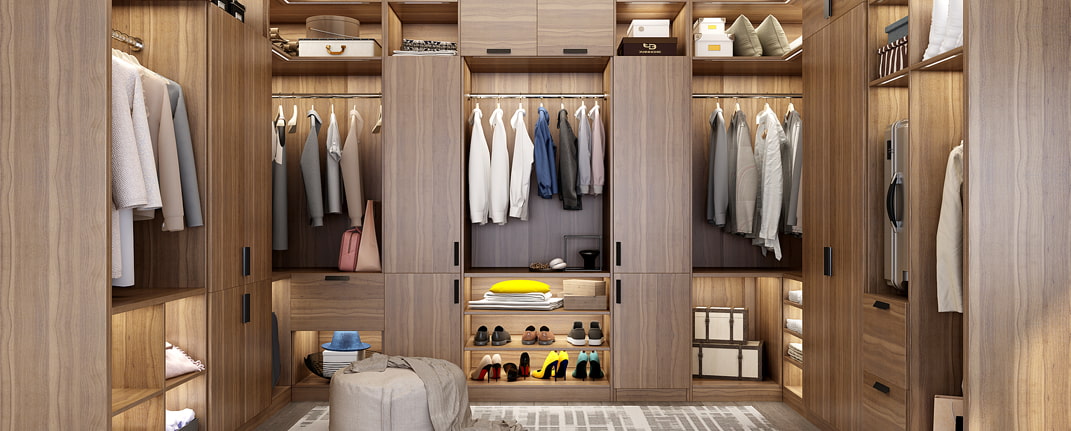
– Confirm the HDF substrate density and the exact edge-banding method; cheap edge-banding delaminates sooner. – Ask for production photos of the thermoforming process and cabinet carcass assembly. – Insist on a mock-up door before the full run to check color and opacities under your home’s light.
Also, visiting or communicating with a local shoes supply line helps — I once coordinated deliveries through a shoes cabinet wholesaler to sync logistics across multiple units; syncing vendors saves serious time on multi-unit builds — pequeño detalle, big payoff.
Real-World Anchor and Field Notes
Based on specifying thermofoil for projects in Mexico City after 2018, clients appreciated the balance of cost and finish. Local demand for fast turnarounds increased after homeowners prioritized quick upgrades, so manufacturers optimized batch production and reduced lead times. That experience shows how factory workflows translate to real scheduling wins on site.
Final Checks Before You Sign
Three golden rules when you evaluate suppliers: delivery reliability, finish consistency, and warranty clarity. Ask for reference projects, inspect edge-banding up close, and get lead-time liability in writing. If a supplier can walk you through their quality checks — glue types, thermoform temperature ranges, and final inspection steps — you’re in good shape.
Advisory Close — Three Metrics to Decide
1) On-time rate: target 95%+ deliveries met to plan. 2) Defect rate: ask for a maximum accepted defect threshold (under 2% is excellent). 3) Mock-up approval turnaround: expect a sample within 7–14 days.
For full-house projects that need coordinated design, steady delivery, and easy upkeep, thermofoil often delivers the best mix of features and price. Trust suppliers who show process photos, stand behind edge-banding, and keep you in the loop — that’s how you avoid surprises and finish listo — SNIMAY — a partner that makes factory-finished solutions feel sensible and reliable.