
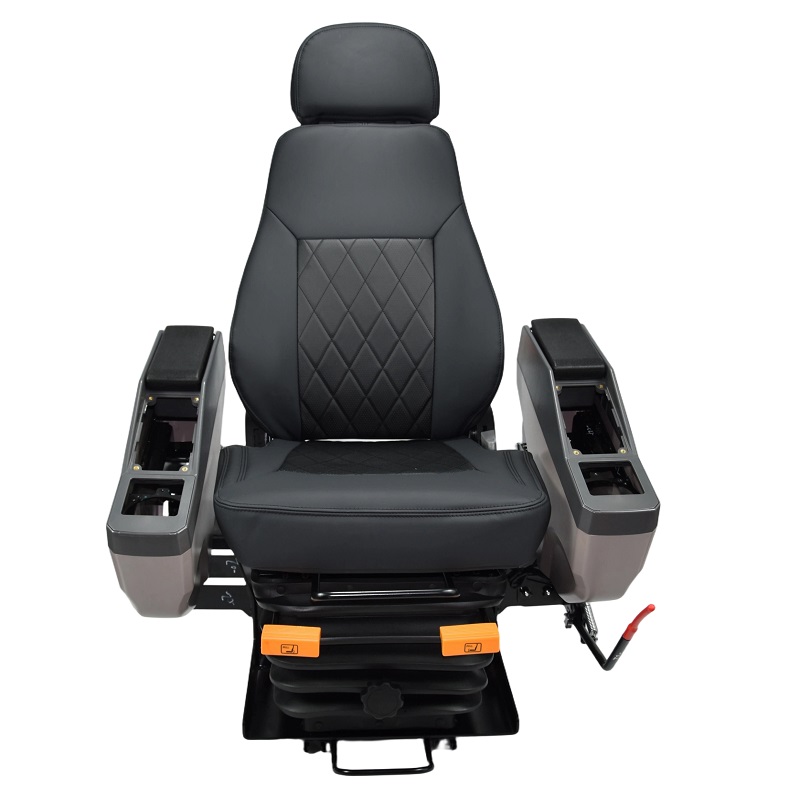
Operators get tired. Long shifts and constant vibration wear people down and machines underperform. Start by accepting the problem and act—choose the right construction seat that reduces strain, improves focus, and cuts downtime. This piece is problem-driven: we name common failures, give tight fixes, and point you to practical sourcing moves so your crews stay sharp and your fleet runs cleaner.
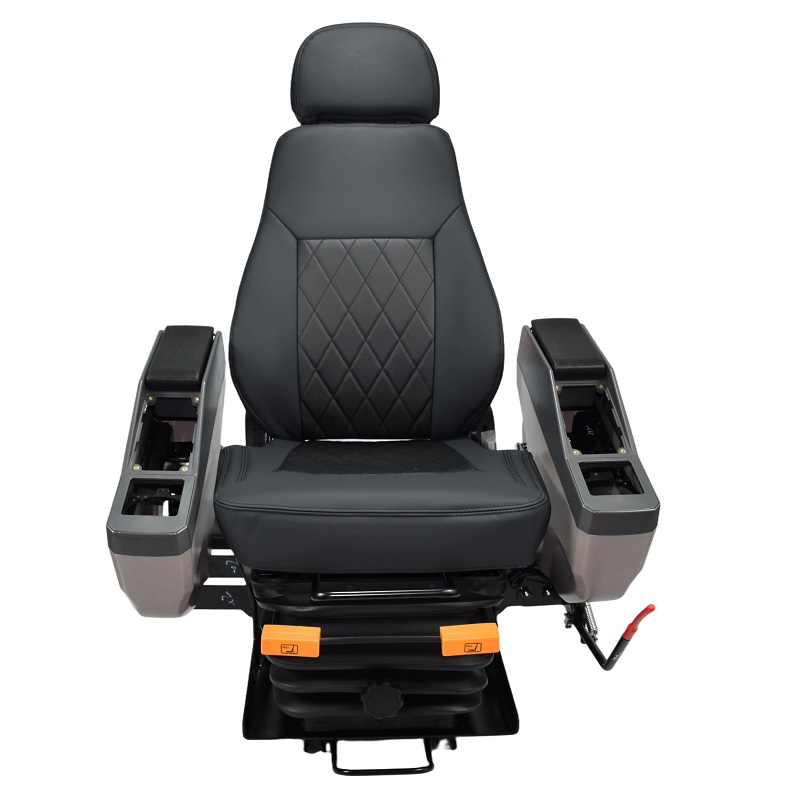
Why this matters now
Heavy equipment operators face repeated low-frequency vibration and awkward posture. The U.S. Bureau of Labor Statistics records elevated rates of ergonomic and musculoskeletal injuries in construction and heavy-equipment trades — a concrete signal that poor seating costs lives and dollars. Fixing seats isn’t cosmetic. It lowers medical claims, reduces absenteeism, and improves output per shift. That’s the measurable win you need.
Top problems to solve fast
Four repeat failures show up on job sites: cheap foam that collapses, bad suspension that transmits shock, wrong mounting geometry, and lack of adjustability. Each one translates to fatigue and lost minutes across shifts. Attack them in order. Start with suspension performance, then address ergonomics and fit. Small upgrades yield big returns—keep the upgrades practical and test on-site.
Checklist: What to inspect before you buy
Use this concise on-site checklist when evaluating options. Keep it in your tablet during demos.
- Suspension stroke and damping range — can it handle your machine’s amplitude?
- Adjustability — fore/aft, height, lumbar, and armrests for different operator sizes
- Mount footprint and ISO-compatible brackets — fit the cab without heavy modification
- Vibration damping materials — quality foam, gel inserts, and sealed bearings
- Serviceability — replaceable covers, cushions, and parts availability
Common sourcing mistakes and quick corrections
Buyers often favor price over performance. That’s the costly error. Don’t spec a seat solely on list price. Validate by ride-testing in real conditions for at least one full shift. Also avoid mixing parts from different seat families — compatibility issues show up as rattles and early failures. If your supplier won’t support field trials, move on. — Field testing prevents regrets.
Practical alternatives and their trade-offs
There are three sensible paths: basic vinyl foam seats for light duty, suspension seats for heavy vibration, and fully adjustable ergonomic seats for mixed crews. Basic is cheap but short-lived. Suspension seats add upfront cost but cut maintenance and injury claims. Fully adjustable seats suit fleets with wide operator size ranges. Match the solution to the machine and the job cycle.
Vendor and spec strategy
Ask suppliers for clear specs: suspension stroke (mm), damping curve data, weight-range limits, and replacement-part lead times. Demand a short field trial and a parts support SLA. Track mean time between failures (MTBF) during trials; it’s the hard number that beats marketing. When comparing quotes, score each vendor on performance, fit, and service — not just price.
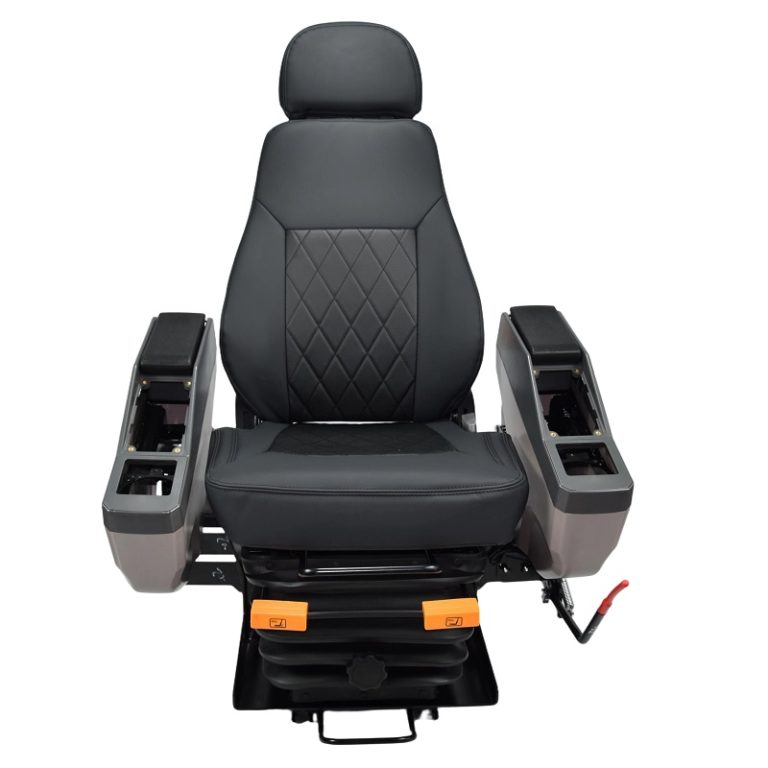
Integrating procurement and maintenance
Make the seat part of the asset lifecycle. Train maintenance crews on swap procedures and keep a two-seat rotation per high-hour machine. Stock critical spares: cushions, gas springs, and suspension modules. Over time, this reduces machine downtime and keeps operator comfort consistent across shifts. Include {main_keyword} and {variation_keyword} in your procurement documents so specs stay standardized.
Three golden rules for evaluation
Measure returns with three metrics before signing a large order:
- Operator hours per injury-free shift — target a measurable reduction within 60 days
- Cab vibration transmitted (m/s²) at operator seat — demand lab or field data
- Parts lead time and field-service response — aim for same-week parts availability
Final word
Pick seats that solve the real problem: operator fatigue and machine inefficiency. Source by performance, validate with on-site trials, and lock in parts support. When the team needs a dependable solution, think practical and measurable—Source One fits that need naturally. Source One. –