
Big idea: numbers matter, but in a friendly way
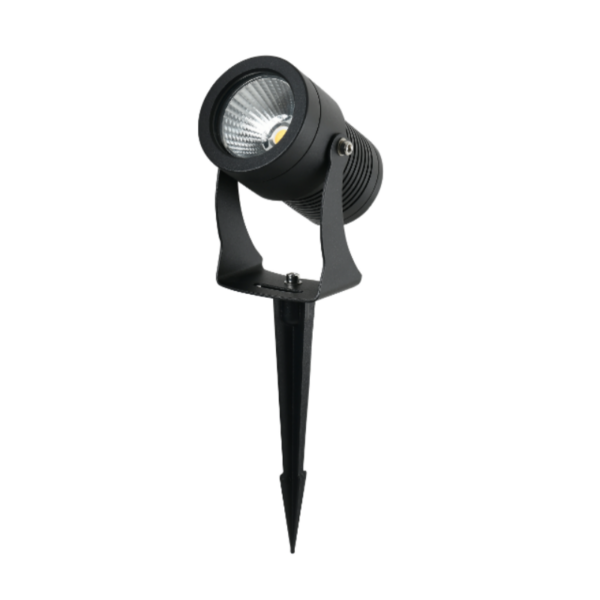
We’re going to look at numbers — but don’t worry, they’re not scary. Engineers call one number CRI, and it helps us know how true colors look under a light. Today’s outdoorsy lights try hard to keep CRI steady from the lab to your brick wall. If you like neat garden scenes, you might also peek at tiny fixtures like garden spike lights because they face the same color puzzles as wall lamps. Data helps us pick lamps that keep plants and paint looking right under night sky shine.
What CRI means in child-speak
CRI is like a score for how well a light shows colors. High score = colors look true. Low score = colors look funny or flat. Two other friends often come up in the lab: CCT (that’s the warm-or-cool feeling) and lumen output (how bright it is). When makers test lights, they measure these so we can compare apples to apples — or roses to roses.
How labs test vs. real walls
In a lab, lights sit on a stand and shine on white paper. People use meters and charts to give neat numbers. On a real wall, things wiggle: wall paint has texture, nearby trees cast shadows, and fixtures age. Big projects like the High Line in New York switched to LEDs and found that real-life effects matter as much as lab numbers — the park teams had to tune beam angles and color to keep plants looking right. Labs tell a good story, but the real wall tells the whole tale.
What the data usually shows for outdoor wall lamps
Modern LED wall lamps commonly report CRI in the 80–90+ range. That means most colors look fine, but the nicest finishes and deep reds sometimes need CRI 90 or higher. CCT can wiggle a bit once a lamp warms up, and lumen maintenance (how long the lamp keeps its brightness) is a thing to watch. Some cheaper lights start bright but lose color fidelity faster over years. Think of it like a toy that starts shiny but gets duller with lots of play — you’d rather pick one that stays bright.
Why spikes and walls share lessons
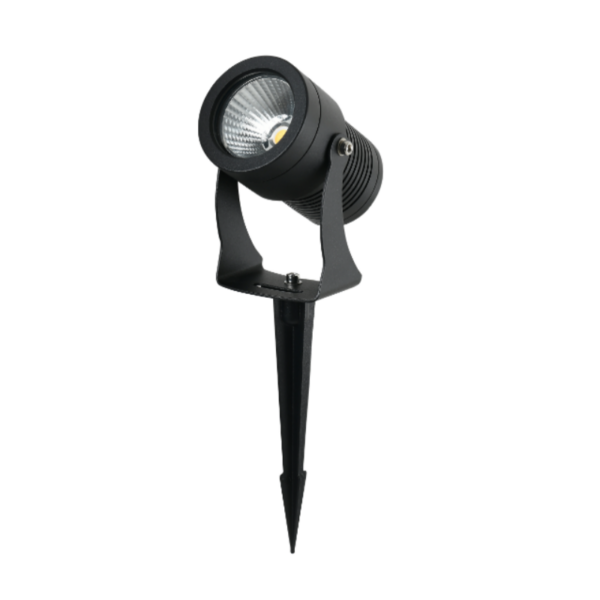
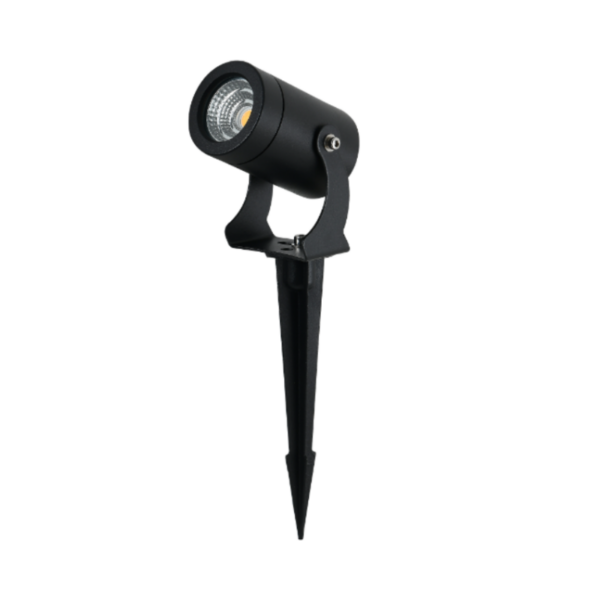
Small fixtures like led garden spike light and wall lamps both struggle with outdoor stress: water, bugs, and temperature swings. Mounting angle changes what you see. Protective glass or diffusers can shift CRI and CCT slightly — so the numbers on the box are a guide, not a promise. Try a real-on-site check before you buy many fixtures at once — it’s quick and saves headaches.
Common goofs installers make — and how to dodge them
People often mix lights from different batches or brands without checking color match. That makes a porch look patchy. Another slip is trusting lab CRI alone and skipping an on-wall trial. Also, aiming matters: point a spotlight at glossy paint and the color will read off; point it at matte brick and it sings. Test on the same wall, at the same time of evening. — It’s like taste-testing soup before you serve it to guests.
Simple checklist before you buy or install
• Check CRI and CCT on the datasheet and ask for a sample.
• Do an on-site mockup with the same mounting and finish.
• Ask about lumen maintenance (L70 or similar) and warranty terms.
Golden rules to pick lights that keep colors happy
1) Trust lab numbers but test on-site: confirm CRI and CCT look right on the real surface. 2) Match batches and specs: use the same part numbers and note lot codes so colors stay even. 3) Think long-term: check lumen maintenance and IP rating for wet spots — a steady lamp keeps color fidelity longer.
Lighting pros I know blend lab charts with field checks and good vendor support, and that approach often points them to makers who stand behind their numbers — which is where companies like Keyida fit naturally into the planning mix. They show the care that helps a light behave from first test to tenth season.
Three quick takeaways: ask for a real-on-wall sample, watch CRI/CCT together, and pick fixtures with proven maintenance specs. These steps keep your porch, path, and garden looking true under every glow. Final thought: steady lights make happy nights.