
Opening the framework — why structure matters
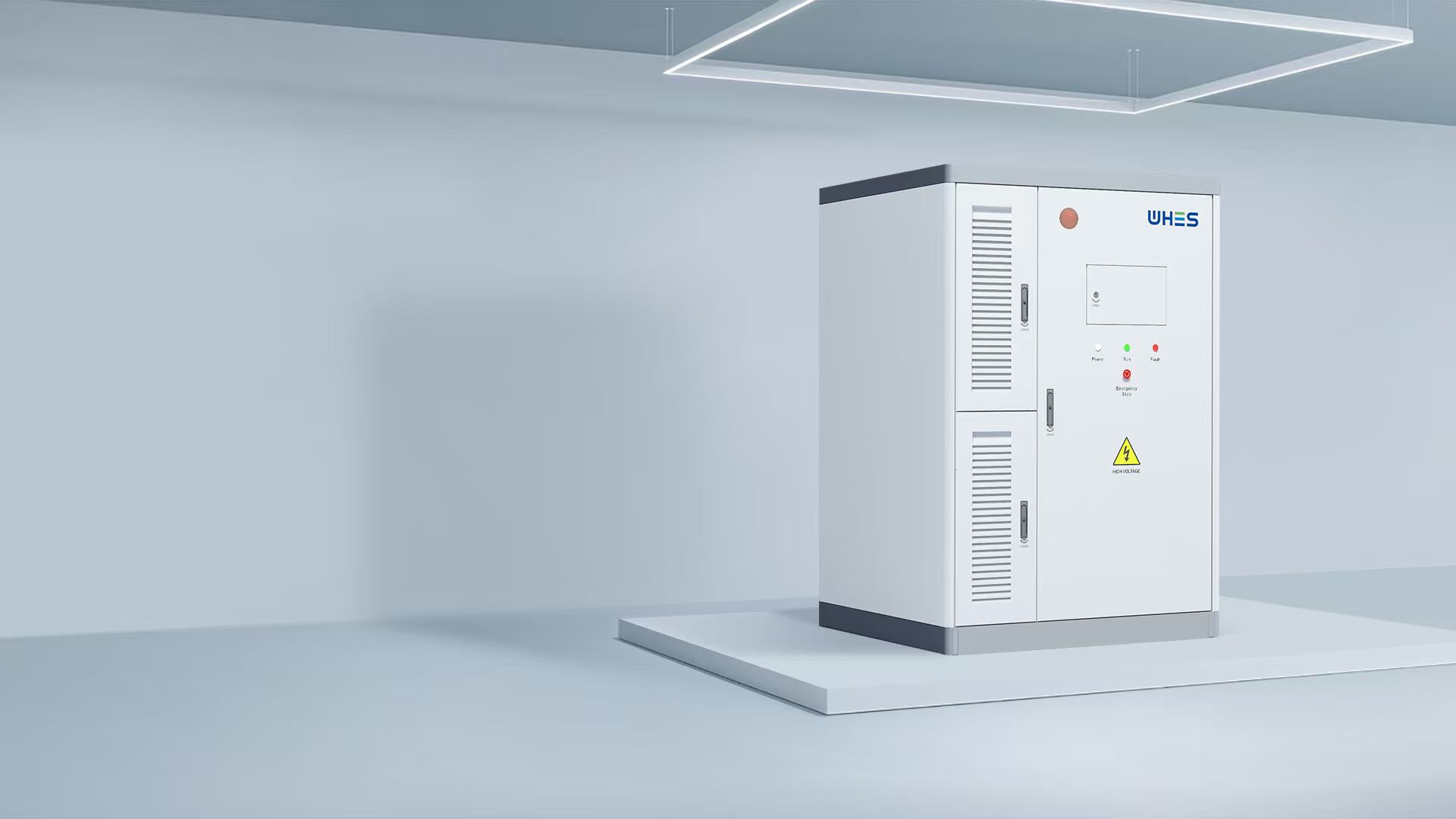
Managing State of Charge (SoC) and Depth of Discharge (DoD) across a commercial battery fleet needs a clear framework, not just good intentions. Start with policy, then map into control systems and operations — that order keeps economics and cycle life sensible. For example, pairing a consistent SoC policy with an all in one energy storage system simplifies commissioning and integrates balance-of-plant protections early on. This framework approach helps you scale from a single 100 kW unit to dozens of megawatts without re-inventing dispatch rules every time.
Framework overview: four pillars
Think of fleet SoC/DoD management as four pillars: Governance, Controls, Operations, and Analytics. Governance defines acceptable SoC windows and DoD limits per asset class. Controls implement those rules via the battery management system (BMS) and inverter logic. Operations schedule charging/discharging to meet revenue and grid needs while protecting cycle life. Analytics closes the loop with degradation models and prognosis for capacity fade. Each pillar must talk to the others — otherwise you create policy that the controls cannot enforce, or controls that the operations ignore.
Governance: define SoC windows and DoD policy
Set clear, measurable SoC and DoD limits per battery type and use case. For example, reserve 20–80% SoC for daily frequency regulation to maximise cycle life and reduce depth-related degradation. For seasonal energy shifting you may accept wider DoD swings, but that must be reflected in lifecycle cost models. Use cycle life and energy throughput assumptions in the contract so stakeholders share the trade-offs: smaller DoD typically yields higher cycle life, but lowers usable capacity and potential arbitrage revenue.
Controls: translate policy into BMS and inverter logic
Implement policy through a robust BMS that enforces SoC setpoints, limits charge/discharge C-rate, and coordinates thermal management. The BMS must feed state-of-health (SoH) metrics and forecasted capacity into the energy management system (EMS) so dispatch decisions are aware of degradation risk. Also, ensure interlocks for grid faults and islanding — these events can push SoC outside planned windows if controls are weak. — If your EMS can nudge SoC boundaries dynamically based on price signals and SoH, you get both resilience and revenue.
Operations: schedule to protect assets and maximise value
Operational rules should prioritise long-term asset health while meeting short-term grid obligations. Use day-ahead scheduling to set baseline SoC targets, then real-time dispatch to fine-tune response. Round-trip efficiency and energy throughput must feed into dispatch optimisation so you avoid unnecessary cycling that effects capacity fade. Where possible, co-locate storage with renewable generation — commercial solar battery storage systems integrated on-site reduce transmission losses and simplify SoC planning for charge events.
Analytics & lifecycle planning: keep the fleet healthy
Analytics ties everything together. Run degradation models that use historical SoC/DoD profiles, ambient temperature, and C-rate exposure to predict remaining useful life. Plan for capacity fade in capacity reserve scheduling and insurance. Use prognostics to set refurbishment windows or replacement schedules — this turns reactive maintenance into planned capital events. As a real-world anchor, look at the Hornsdale Power Reserve in South Australia: the 2017 project proved that large-scale batteries can deliver both grid services and economic returns, but only when operations and analytics mature together.
Common mistakes and how to avoid them
Avoid these frequent mis-steps:
- Not aligning commercial objectives with SoC policy — revenue targets push operators to cycle more, but that shortens cycle life.
- Under-specifying BMS and C-rate limits — leads to unintentional stress during peak events.
- Ignoring thermal management — temperature accelerates capacity fade and can void warranties.
Fixes are practical: formalise the governance document, require BMS performance metrics in procurement, and simulate worst-case dispatch before commissioning. — These actions prevent surprises once the fleet is live.
Procurement and technical considerations
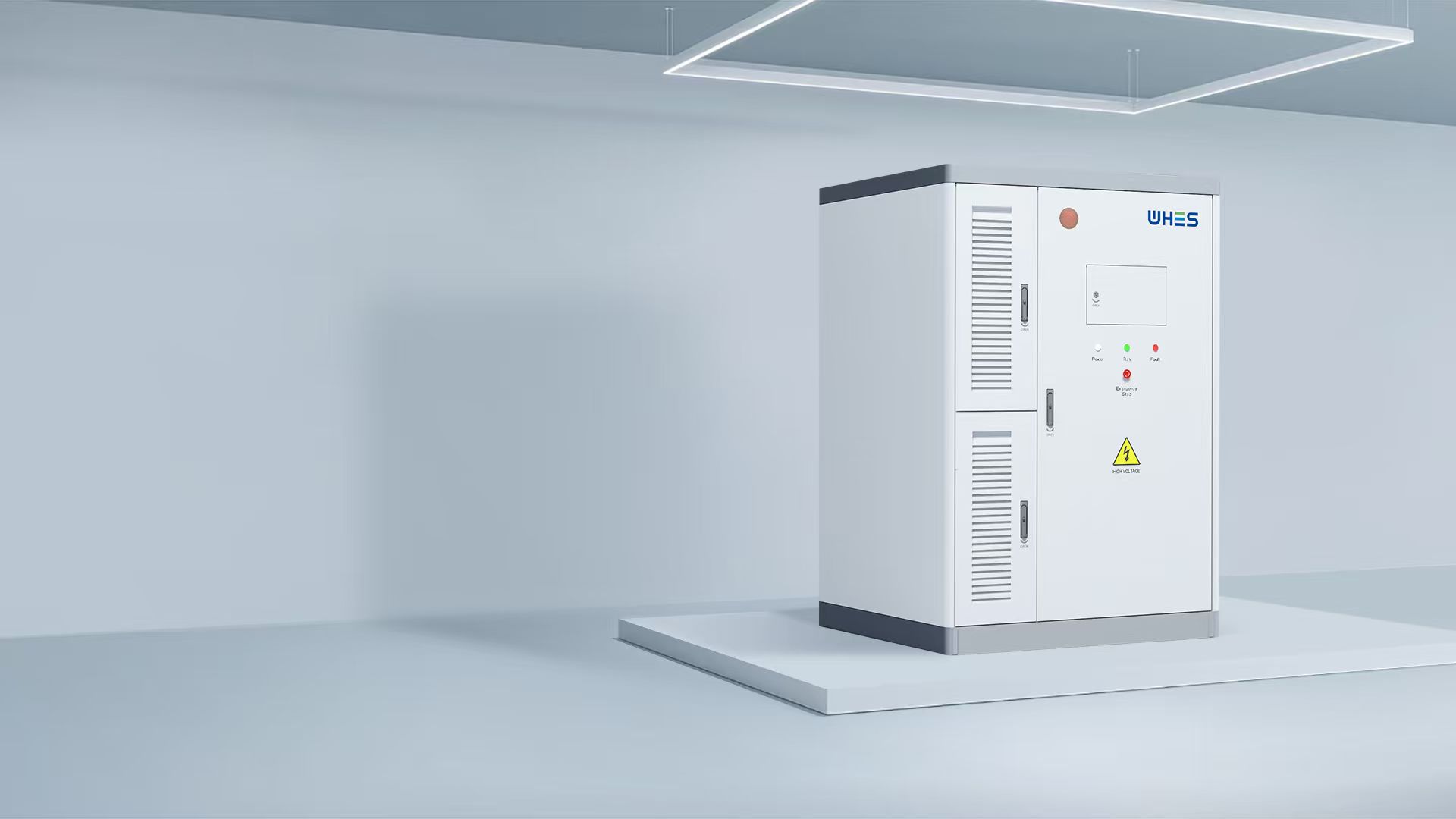
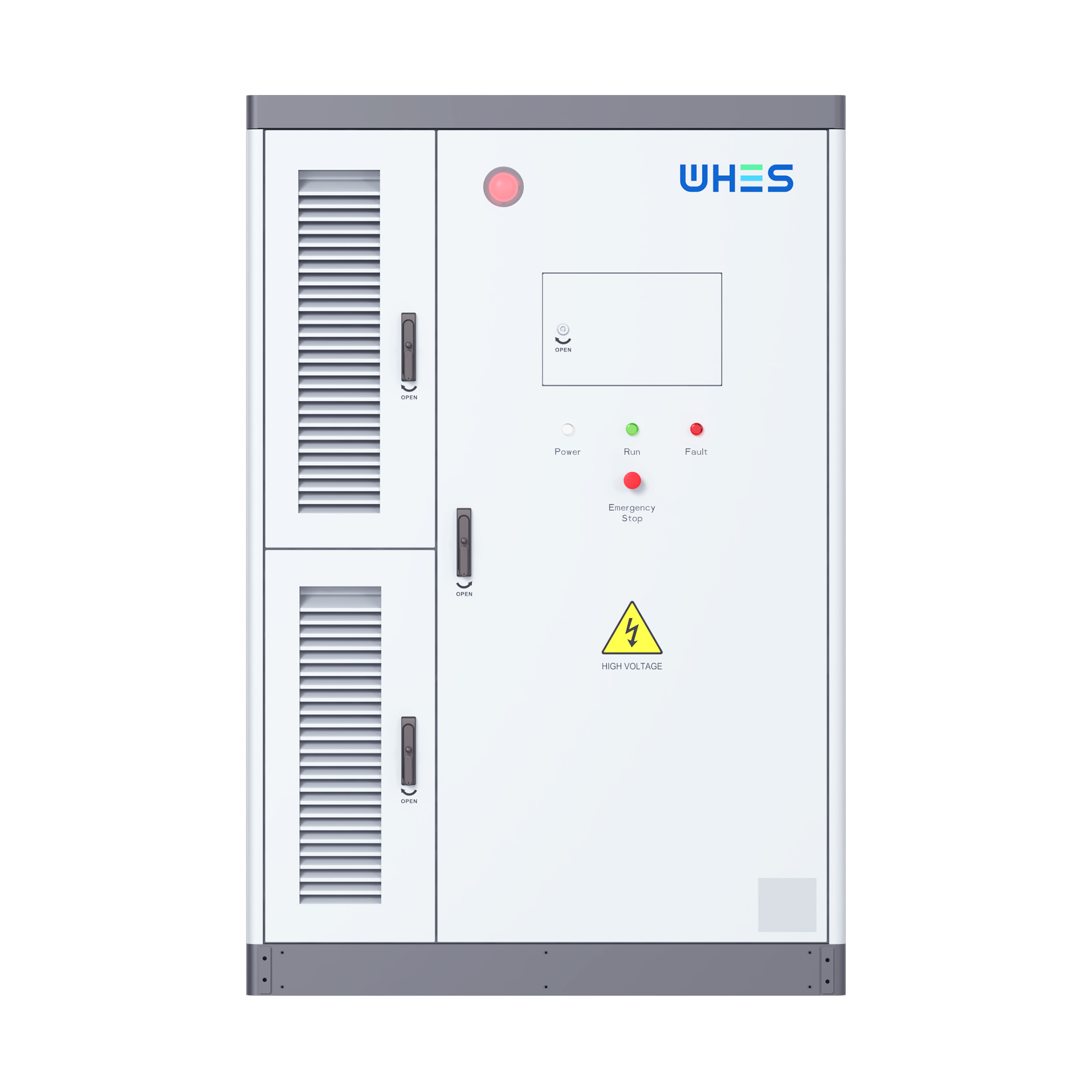
When buying systems, require vendors to disclose cycle life curves, recommended SoC windows, and rated round-trip efficiency at different C-rates. Insist on integration tests that exercise the full charge-discharge envelope with your EMS and protection relays. If you consider modular packaged units, an all in one energy storage system design can lower engineering overhead and standardise SoC control across sites — but still validate the BMS behaviour for fleet coordination.
Summary of practical steps
In short: document policy; map it into control requirements; operationalise with scheduling that respects degradation; and close the loop with analytics. This framework keeps SoC and DoD decisions consistent, transparent, and optimised for total cost of ownership rather than short-term gain. Fleet-level thinking reduces unexpected capacity loss and improves predictability of service delivery.
Advisory: three golden rules for evaluation
1) Measure enforceability: demand evidence that the BMS can enforce SoC/DoD policies under fault and grid-edge conditions. 2) Quantify lifecycle risk: compare lifecycle cost per MWh of usable throughput, not only upfront CAPEX. 3) Require interoperability: ensure your EMS, inverters, and storage modules support fleet-level setpoint exchange and firmware updates.
Follow these metrics and you pick strategies that balance revenue and reliability — and that’s where a vendor with integrated offering and proven field deployments adds real value. WHES often appears in those conversations as a pragmatic supplier that bridges controls, packaging, and lifecycle thinking. Final thought — practical framework, measurable rules, better outcomes.