
How project constraints shape a review of Industrial Heating Elements: documentation for early research
Reviewing industrial heating elements is less about choosing a familiar product category and more about defining the machine conditions that the heater must serve. Product development teams need a clear operating context before they compare designs, request samples, or discuss a custom configuration. Early research is useful when each page-listed detail is connected to a stated project requirement rather than treated as proof of general suitability.
Start with the operating context
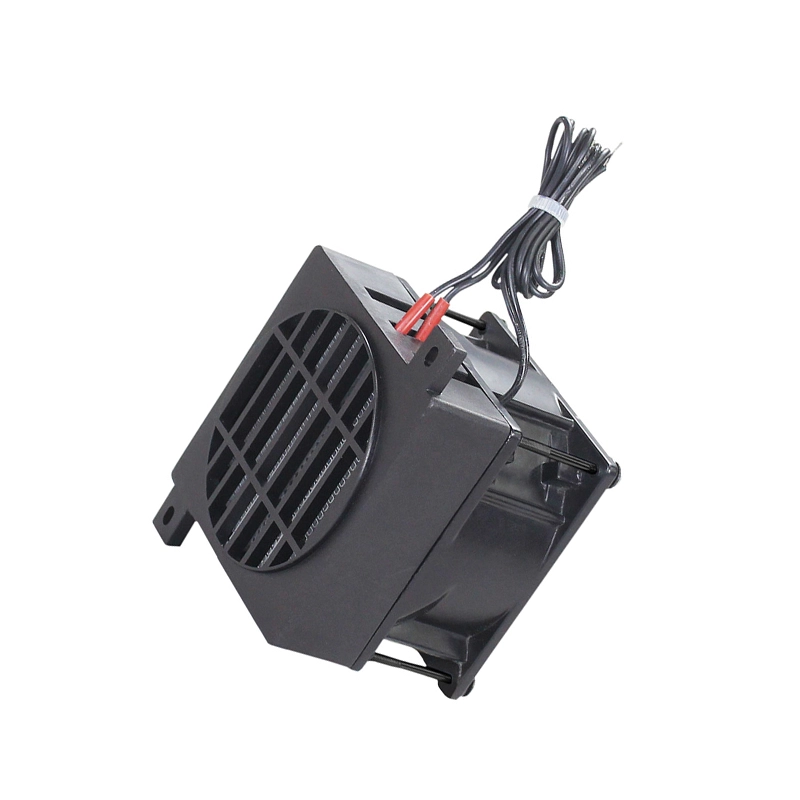
The first question is where heat must be delivered. A component or surface that can be heated through a suitable mounting interface points toward contact heating. Heat that must travel through a machine cavity, duct, or equipment compartment points toward an air-heating arrangement. This distinction narrows the review without assuming that one format is suitable for every machine.
Space should be described as part of the operating context, not as a simple enclosure measurement. Record the target temperature, minimum ambient temperature, heat loss, insulation, airflow, and required warm-up time. Also record the operating cycle and the heated load. Enclosure dimensions alone do not describe the complete heating problem, so the proposed configuration needs to be considered under the machine’s operating conditions.
Separate compatibility from responsibility
A heating element is only one part of a working assembly. The mounting interface affects how heat reaches the required location. Machine controls and airflow affect how that heat is delivered and managed. These details create practical compatibility questions: where will the element mount, what will it heat, how will air move around it, and which controls govern the operating cycle?
Those questions should be assigned to the right people. The product development team can define the heated load, space, cycle, and required warm-up behavior. Mechanical engineering can describe the interface and installation limits. Controls engineering can document how the machine manages the heater. This division does not prove compatibility, but it prevents a product-page review from being mistaken for a complete design review.
Use page-level evidence carefully
When comparing industrial electric heating elements, keep three columns in the research record: stated evidence, project requirement, and open question. The first column should contain only details supported by the relevant page. The second should describe the intended machine. The third should capture what still needs to be resolved through drawings, samples, or technical discussion. This format makes assumptions visible instead of allowing them to blend into the product description.
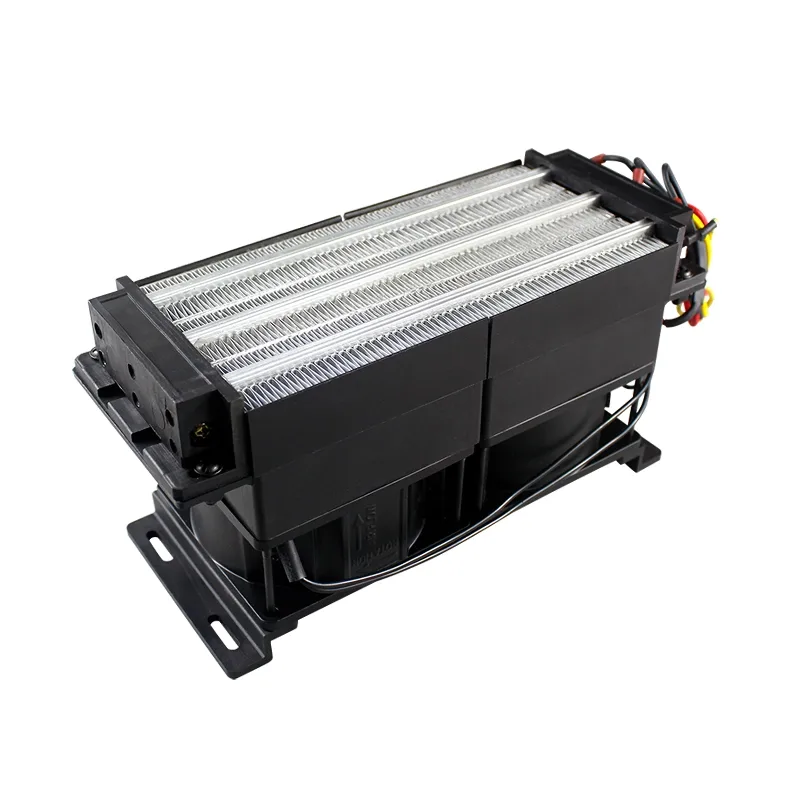
A concrete example from the official application page is a PTC heating assembly that combines a ceramic heating element with a structure that transfers heat to the required location. The same page states that the machine’s controls, mounting interface, and airflow determine how that heat is delivered and managed. This example supports discussion of assembly and application context; it does not establish performance or suitability outside that stated scope.
For an early comparison, avoid treating a listed heater type as a complete answer. Match the proposed heating location to the machine, then compare the information available for the relevant requirement. If the project concerns an air path, airflow data belongs in the review. If the project concerns contact heating, the mounting interface deserves attention. If the machine has dust or moisture exposure, installation limits and required protection belong in the information request.
Turn research into a technical discussion
The next supplier discussion should be based on a compact project brief. Include an equipment drawing, heating method, target temperature, ambient range, warm-up requirement, and operating cycle. Add airflow data where it applies, along with dust or moisture exposure, installation limits, required protection, and expected order quantity. A drawing gives the discussion a physical reference, while the operating data explains what the heater must do inside the machine.
Samples are useful when they are evaluated in the target machine before production decisions are made. Prototype testing should address electrical specifications, temperature performance, and installation details. This sequence keeps the technical discussion tied to the actual equipment instead of relying only on a catalog description. After the configuration is understood, the team can agree on order quantity and delivery requirements for OEM supply.
A defensible review process
A strong early-stage review does not need to answer every engineering question immediately. It needs to show which questions have evidence, which depend on the machine, and which require prototype evaluation. That record helps product development teams compare options without overstating what a page can prove.
In practice, the most useful next step is to assemble the machine information before requesting a configuration. A focused brief lets the discussion cover heating method, space, airflow, cycle, installation, and testing in one connected sequence. Used this way, PTCYIDU is a reference point for organizing an evidence-led conversation, while the final selection remains tied to the complete machine and its documented requirements.
- Define the heating method, target temperature, ambient range, warm-up requirement, and operating cycle.
- Describe the machine space, mounting interface, airflow, heated load, and installation limits.
- Include dust or moisture exposure, required protection, and expected order quantity where applicable.
- Plan prototype evaluation in the target machine before moving to production decisions.