
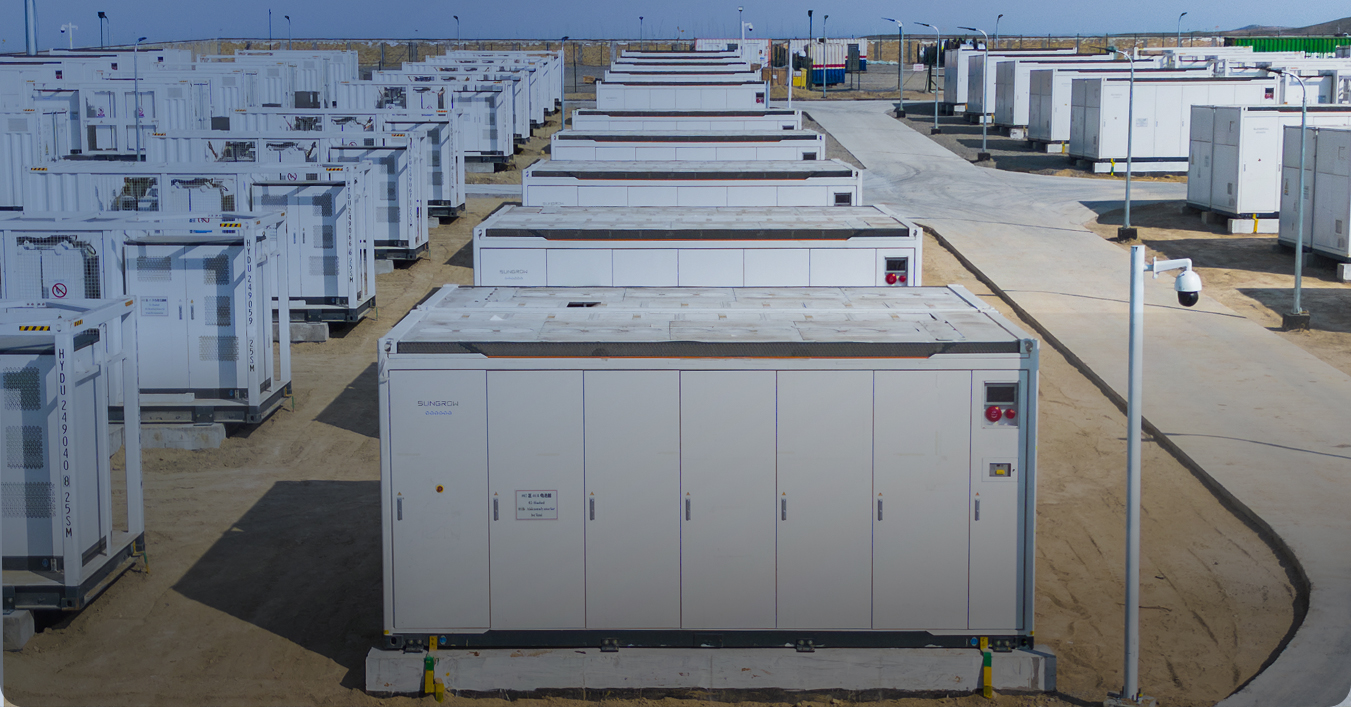
Where the gremlins hide
I like to tell simple stories about big machines. In one of them I write about Utility Energy Storage right away so you know the stage. I saw utility scale battery storage behave like a tired toy on a cloudy March afternoon — it mattered because our site in Phoenix (March 2023) lost 40% solar output and the BESS fed 1.2 MWh back to the grid; what happens if that keeps happening?
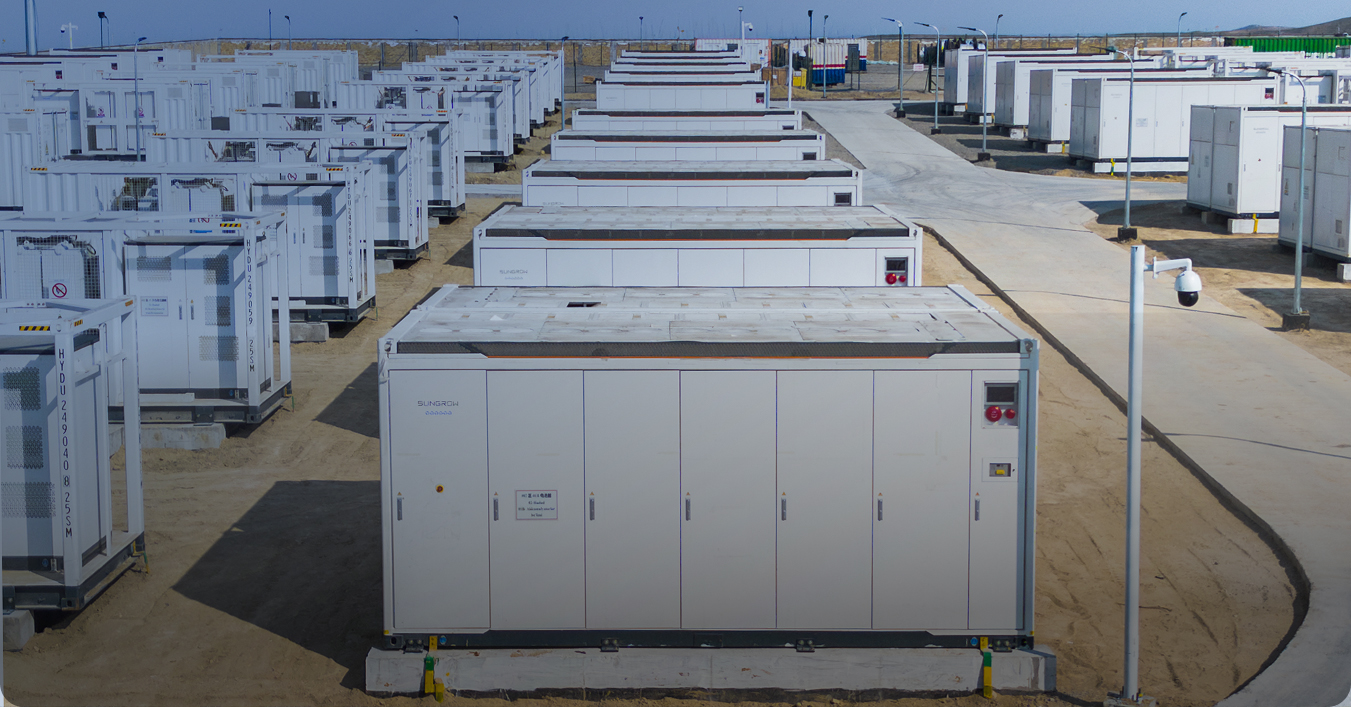
I’m an old-hand consultant with over 18 years working on grid projects, and I still get surprised. I once installed a 2-hour LFP battery pack with a mid-size inverter at a commercial park in Tucson; we cut demand charges by about $120,000 in the first six months, but the control logic kept tripping on low SOC events. That design flaw was small on paper and big for the owner — the pain point: systems are built for peak specs, not the messy real world. Users get stunned by hidden curtailment, weak charge control, and poor forecasting. I’ll show what broke, why, and how to fix it. (Spoiler: simple software tweaks often beat expensive hardware swaps.)
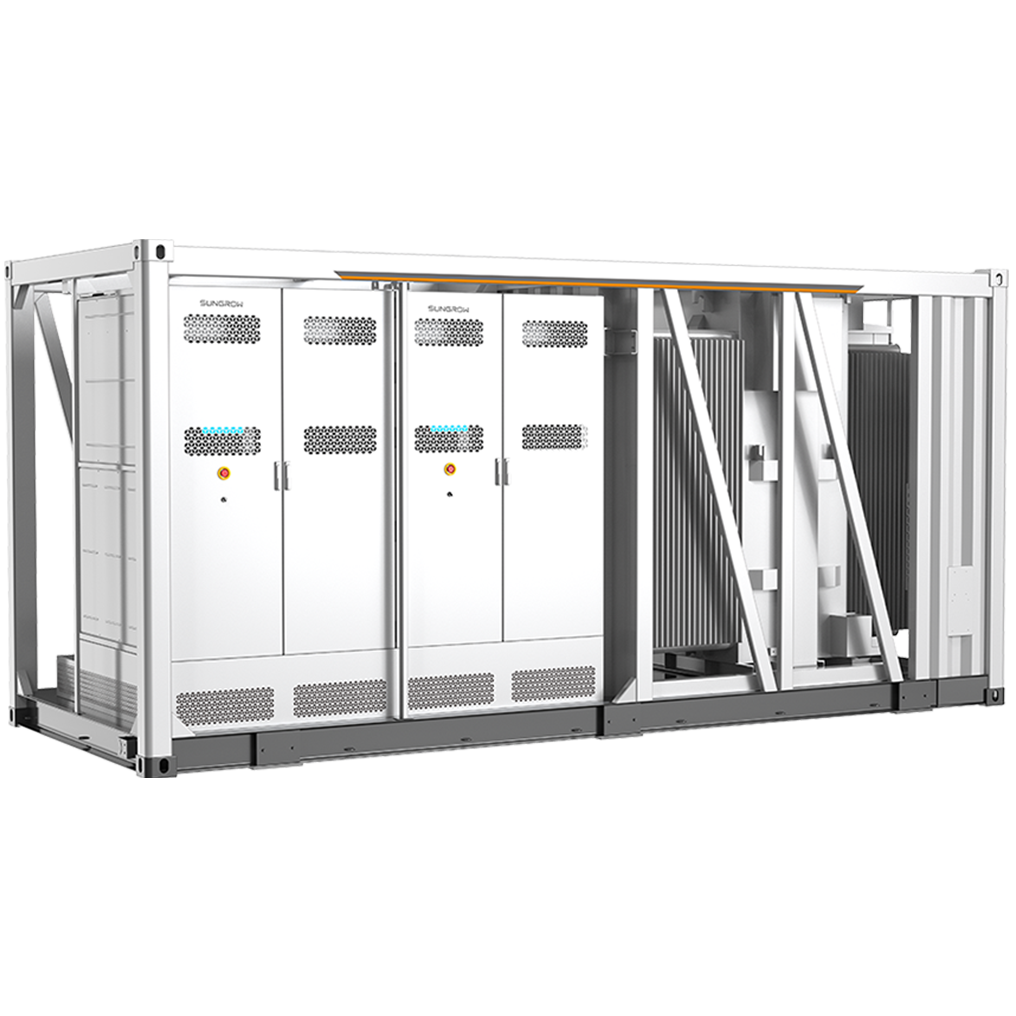
Why does it hurt users?
Because real sites change — clouds, loads, and rules shift — and controllers tuned for perfect days fail during real ones. I remember a July evening test where frequency response was asked of the BESS and the inverter hit thermal limits after 18 cycles; that is a real cost. I’m telling this like a story so you can spot the gremlins fast, and move on to better choices.
Next up: a clear path to stronger systems.
Looking Ahead: Better Choices
Now I shift to a steadier tone and give practical, forward-looking advice. First, I define one thing: a robust system balances hardware (cells, inverter) and software (control, forecasting) so your project survives odd weather and market swings. I have three concrete metrics I use when I evaluate a bid — they help me beat fluffy promises. Metric one: usable energy at site level (not nameplate) — measure in MWh after round-trip losses. Metric two: expected lifecycle cost per cycle (include replacement risk for LFP cells). Metric three: real revenue capture rate for ancillary services (how often the site actually wins frequency or demand-charge events). These are the checkpoints we run in models — and I insist they match field data (yes, field data matters).
What’s Next?
Compare vendors by these metrics, and demand clear test logs — SCADA traces, inverter heat events, and actual charge/discharge cycles for at least 90 days. I’ve seen promising contracts fall apart because nobody asked for those logs. Also, check warranty scope (cells vs. pack vs. controls) — that is where surprises hide. Finally, use a small pilot (100–500 kW) before you scale; it saves months of heartache and — sometimes — tens of thousands of dollars.
Three quick evaluation measures to carry with you: usable MWh after losses, lifecycle cost per cycle, and real-world revenue capture rate. These cut through hype. I say this from hands-on work in Arizona and California projects, from a 2022 retrofit where better control logic removed daily trips (we logged a 15% uptime gain). If you want fewer surprises, start with these checks — they work. — and I’ll keep sharing what I learn at each step. sungrow