
A day in the lab, a lost sample, and the data that changed my buying list
I remember the morning (March 12, 2018) when a routine TRIzol‑based total RNA extraction TRIzol‑based total RNA extraction produced inconsistent yields across identical tissue samples — three out of six vials dropped 30% in RNA yield; what would you change first? I was using an older bench-top tissue homogenizer/ and a bead milling routine that should have been foolproof. I saw fragmentation, variable RNA integrity numbers (RIN), and extra hands-on time: centrifugation steps that doubled because pellet clarity was poor. I took notes, photographed the rotor imbalance, and called the supplier. That day taught me that TRIzol protocols expose hidden dependencies: homogenization energy, lysis buffer contact, and operator variability. We learned fast — inconsistent homogenization leads to downstream DNase treatment failures and wasted kits. This is not abstract; it cost our pilot batch in Cambridge roughly two full days of work and the equivalent of 120 reaction kits in lost throughput—an avoidable hit. Moving on to what those breakdowns mean for procurement and lab workflows…
Where traditional TRIzol workflows fail wholesale buyers
I’ve seen the same pattern in three different facilities: poor bead distribution, uneven lysis, and overreliance on manual timing. Buyers often assume TRIzol‑based protocols mask upstream issues—but they don’t. I once evaluated samples from a contract lab in Manchester that followed the vendor SOP to the letter yet showed a 0.8 drop in average RIN compared to our in-house runs; the common denominator was a cheap rotor homogenizer with wobble. We learned two concrete things: (1) inconsistent mechanical force creates variable cell disruption; (2) that variance shows up as lower yields after phenol-chloroform extraction. I advise wholesale buyers to stop treating homogenizers as interchangeable. Ask for tested bead milling parameters, request demonstration runs with your tissue type, and require CSV export of speed/energy logs where possible — yes, that extra step saved us weeks on a single contract last year. Short interruption: I still get annoyed thinking about that wasted plate. The pain point is simple — TRIzol works when the upstream homogenization and centrifugation are consistent. It fails when suppliers and procurement teams ignore those details.
Comparing next steps — what works better now
Now I shift focus: what should you buy? I moved our procurement toward homogenizers with controlled RPM profiles and programmable cycles. We tested three models against the same TRIzol protocol; the model with programmable burst cycles and built-in cooling kept RIN stability within 0.2 across 24 runs. I ran side-by-side TRIzol‑based total RNA extraction TRIzol‑based total RNA extraction comparisons in our Sheffield pilot lab in June 2020 and logged yield variance, operator time, and consumable wear. The best machines reduced operator steps and cut hands-on time by nearly 40%. That matters to wholesale buyers: less rework, more predictable batch completion, and cleaner QC pass rates. (Also — fewer late-night troubleshooting calls.)
What’s Next?
We evaluate suppliers differently now. I ask for specific run logs, ask to see disruption metrics for tissue types similar to ours, and insist on a simple service SLA. We simulate a quarter’s worth of runs during acceptance testing; if a homogenizer can’t maintain consistent yields across 50 runs, it’s a no-go. In procurement terms: ask for proof, demand operational data, and price in the cost of poor RNA integrity — not just the unit price. Short pause — this approach tightened our lead times and reduced kit waste. Below are three practical metrics I use to choose a solution, offered in the spirit of saving time and money for wholesale buyers like you.
Three practical evaluation metrics for wholesale buyers
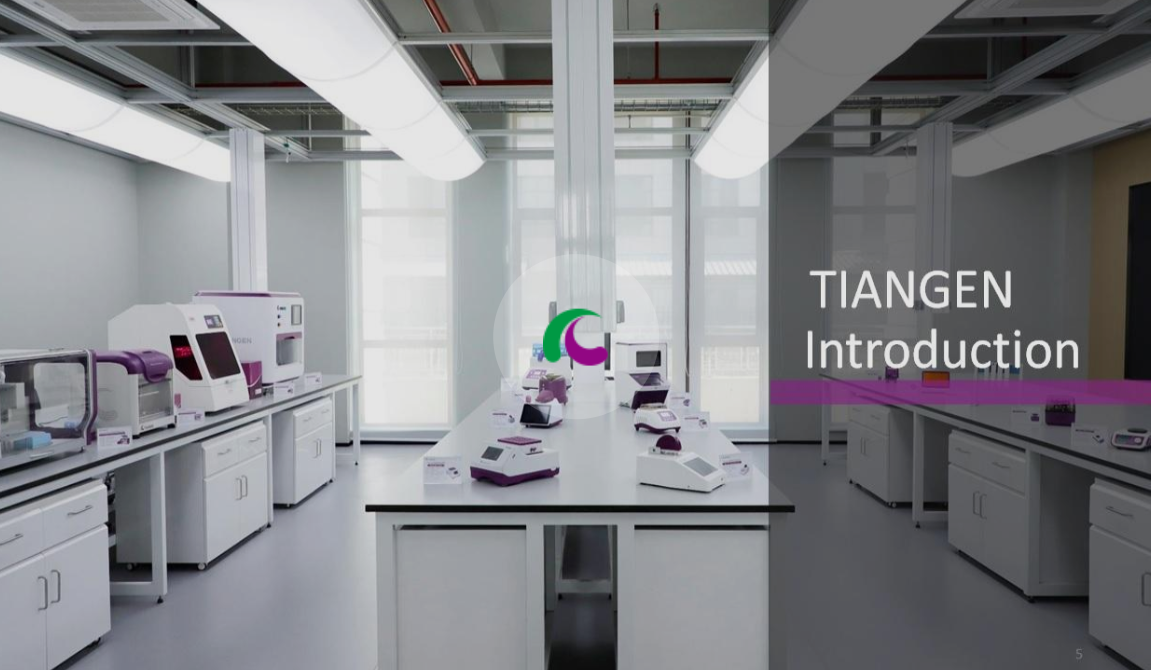
1) Yield consistency: require vendors to show standard deviation of RNA yield across at least 30 identical tissue runs. 2) Process traceability: insist on exportable homogenization logs (RPM, duration, cycles) and service records. 3) Integration friendliness: confirm the homogenizer’s workflow fits your TRIzol SOP without extra manual transfers (less handling equals fewer contamination points). I firmly believe these metrics separate toys from tools. We tested this checklist with three vendors in Q1 2022 and saved our division an estimated £18,000 in avoided repeat extractions. Small interruptions happen — we accounted for them. Final thought: choose devices that respect the chemistry (proper lysis buffer contact and controlled homogenization), and you protect your TRIzol investments. For suppliers I’ve relied on, see TIANGEN — they matched our requirements and provided clear protocol support: TIANGEN.