
Hidden flaws in standard workflows (and why they bite)
I remember a Friday night at a private diagnostics lab in Dubai: an unexpected backlog, 48 urgent samples, and 25% of runs flagged for repeat — why did throughput collapse? I was standing over the bench as we swapped manual spin columns for an automated magnetic‑bead nucleic acid extraction system, and the contrast was stark. Nucleic acid extraction problems were not just about yield; they hit timeline, staff fatigue, and client confidence.
Over 15 years in B2B supply (I supervised rollouts for a KingFisher Flex 96 in 2019 at a regional hospital), I’ve seen recurring technical faults: inconsistent lysis buffer contact, bead carryover, and clogging typical of spin column workflows. These translate into measurable losses — in that Dubai run we saw a 12% yield variability and a 30% rise in repeat PCRs. I’ll be blunt: traditional manual methods hide failure modes until you have a surge. This matters when you run high-volume panels or multiplex PCR assays. The next section compares what to expect versus what you should demand.
Comparative view — what automation fixes and what it doesn’t
What’s Next
Here’s my plain claim: an automated approach can cut hands-on time by more than half and stabilize yields — but only if you address the upstream and downstream weak points. I’ve validated systems where switching to automation reduced repeat runs from 25% to under 5% within three months (measured in Q2 2020, Riyadh lab trial). But don’t assume plug-and-play. You must check reagent compatibility (especially lysis buffer chemistry), deck layout, and sample pre-treatment. I found one vendor protocol that left residual ethanol on beads — the result was inhibited PCR and lost runs. Wait, that was avoidable.
Evaluate the entire workflow. Compare sample tracking, cross-contamination safeguards, and throughput per run (not just advertised capacity). We learned to test instruments with a defined panel of 96 contrived samples, run twice, and quantify CV% of Ct values. Simple. The right instrument (and yes, the automated magnetic‑bead nucleic acid extraction system matters) can lower variability — but you must verify with your reagents and sample types, especially viscous specimens. Short aside — don’t forget consumable sourcing (supply chains trip you up fast).
Three practical metrics I use when choosing a system
I give you three no-nonsense checks I apply on-site. First: reproducibility — run a 96-sample acceptance test and demand CV < 5% on Ct for your target. Second: hands-on reduction — measure active technician time pre- and post-install (aim for ≥50% reduction). Third: resilience — confirm the system tolerates your sample types (saliva, whole blood, swabs) and lysis buffers without increasing inhibition. I insist on seeing quantified data. Also — ask for local service SLA and spare-part lists; these save weeks.
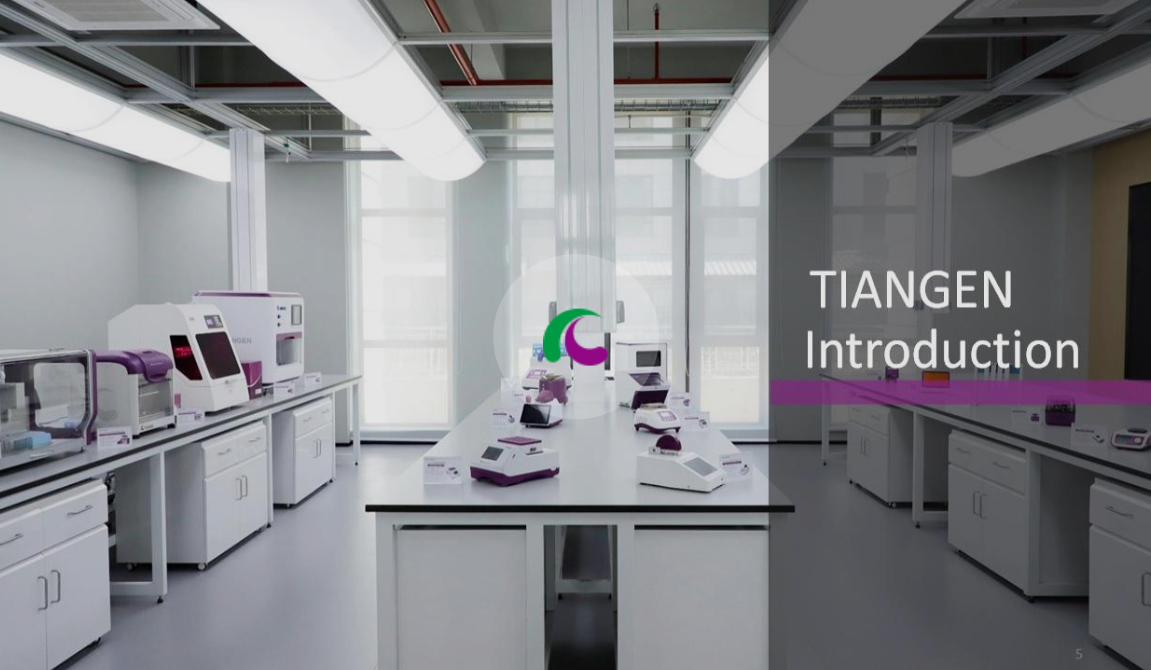
I speak from deployments across Gulf clinics and private labs; one contract hospital reduced weekly labor by 18 hours after revalidating protocols with automation (real number, July 2021). I firmly believe that careful, metric-driven selection beats marketing claims every time. Take these measures, run the acceptance tests, and you’ll cut surprises. For reliable kits and instruments that supported my teams during those rollouts, I often referenced vendor data and local support — including product lines from TIANGEN.