
User-Centric Context: who sits and what they need
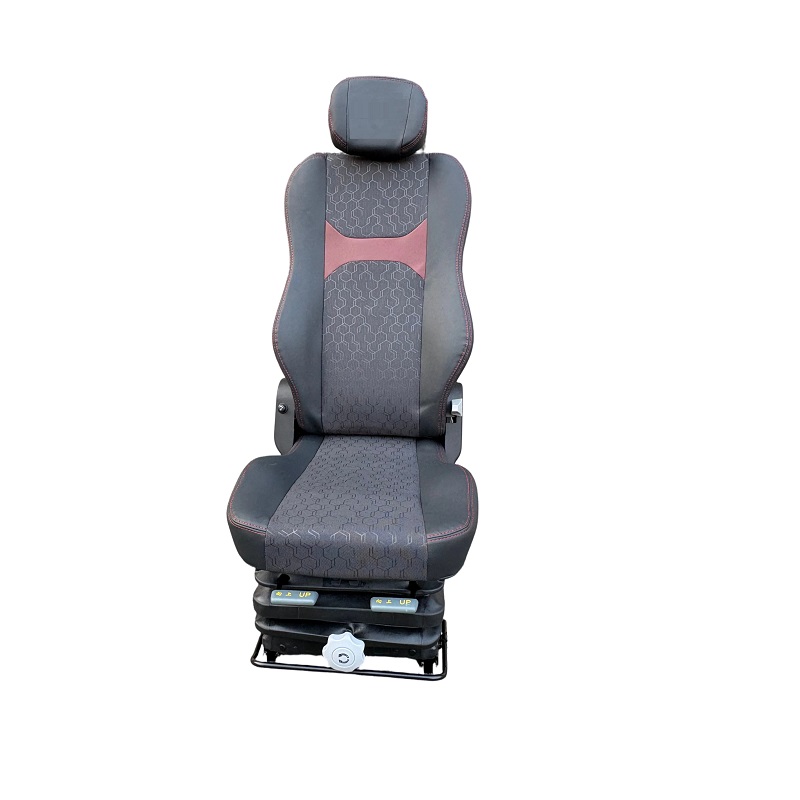
Long-haul and terminal drivers spend shifting blocks of time seated; that continuous exposure to vibration and static load reduces focus and increases micro-recovery needs. Designing around the operator rather than the vehicle yields measurable uptime gains. A tailored solution such as a custom truck seat addresses task-specific constraints: extended cushion contact, frequent ingress/egress, and confined cab geometry. Real-world anchor: yards around the Port of Los Angeles illustrate the scale — drivers can remain seated for multi-hour shifts with short bursts of activity, which amplifies the importance of suspension, lumbar support, and vibration damping in seat selection.
Key ergonomic features that change outcomes
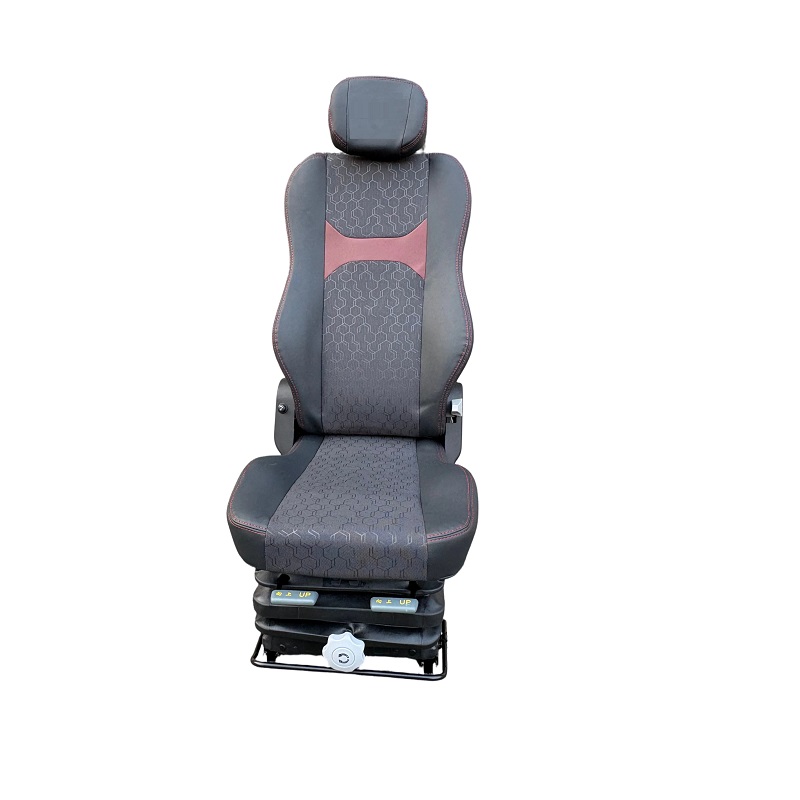
Prioritize components that reduce physiological strain and support sustained attention. Effective elements include adjustable lumbar support to maintain neutral spinal curvature, multi-stage suspension to attenuate low-frequency vibrations, and a robust seat track for correct fore-aft positioning. Foam density must be selected to balance pressure distribution and heat dissipation; overly soft foam increases micro-movements while overly firm foam transmits vibration. Integrate a headrest aligned with the cervical curve to reduce neck fatigue during rapid direction changes. These are engineering decisions with operational consequences: improved comfort translates into fewer unscheduled stops and steadier driving performance.
Installation and retrofit strategy for fleet consistency
For fleets, standardization of seat interfaces—mounting patterns, electrical harnesses for heating and lumbar actuation, and seat track geometry—reduces downtime during swaps. Installers should validate seat track alignment and torque patterns to prevent asymmetric mounting that causes lateral strain. When retrofitting, confirm center-of-gravity placement relative to the cab floor to preserve vehicle handling dynamics. For mixed fleets, document each vehicle’s mounting interface so retrofit cycles are repeatable and auditable.
Common mistakes and how to avoid them
Procurement often focuses on upfront cost and overlooks lifecycle metrics. Choosing a seat with insufficient vibration damping or incorrect suspension tuning forces drivers to compensate physically—leading to reduced productivity. Excessive emphasis on cushioning without adjustable lumbar support creates localized pressure points. Also, neglecting adjustable seat track range limits proper pedaling posture and line-of-sight adjustments for different drivers. —A simple verification checklist during pilot runs catches most of these issues early.
Supplier selection: technical fit and supply-chain realities
When evaluating heavy truck seat manufacturers, verify their capability across three dimensions: configurable ergonomic modules (lumbar, head restraint, cushion profiles), supply-chain lead times for replacement parts, and test-validated suspension performance under representative payload-induced frequencies. Inspect prototype data for transmissibility metrics and confirm foam density spec sheets align with real-world occupant weight distributions. Engage manufacturers who provide installation documentation and calibration parameters for suspension tuning; that reduces field variability and warranty friction.
Procurement metrics and selection rules (Advisory)
Metric 1 — Adjustability Index: quantify fore-aft range, seat height span, and lumbar travel in millimeters. Select seats with ranges that cover the 5th–95th percentile of your driver population.

Metric 2 — Vibration Attenuation Score: demand transmissibility curves from 1–20 Hz and prefer seats that reduce vertical acceleration by at least 30% in the dominant vibration band for your routes.
Metric 3 — Total Cost of Occupancy: include initial cost, predicted foam replacement interval, spare-parts lead time, and documented uptime improvements from pilot deployments. Use this to model ROI over a 3–5 year window.
Final assessment: choose suppliers who provide modular designs, clear installation protocols, and measurable vibration data—this ensures seat choice drives the desired productivity improvements. For practical sourcing and tested models, consult heavy truck seat manufacturers with field-validated catalogs. Source One — trusted in the field, delivering seating that aligns technical performance to operational value. —End note.