
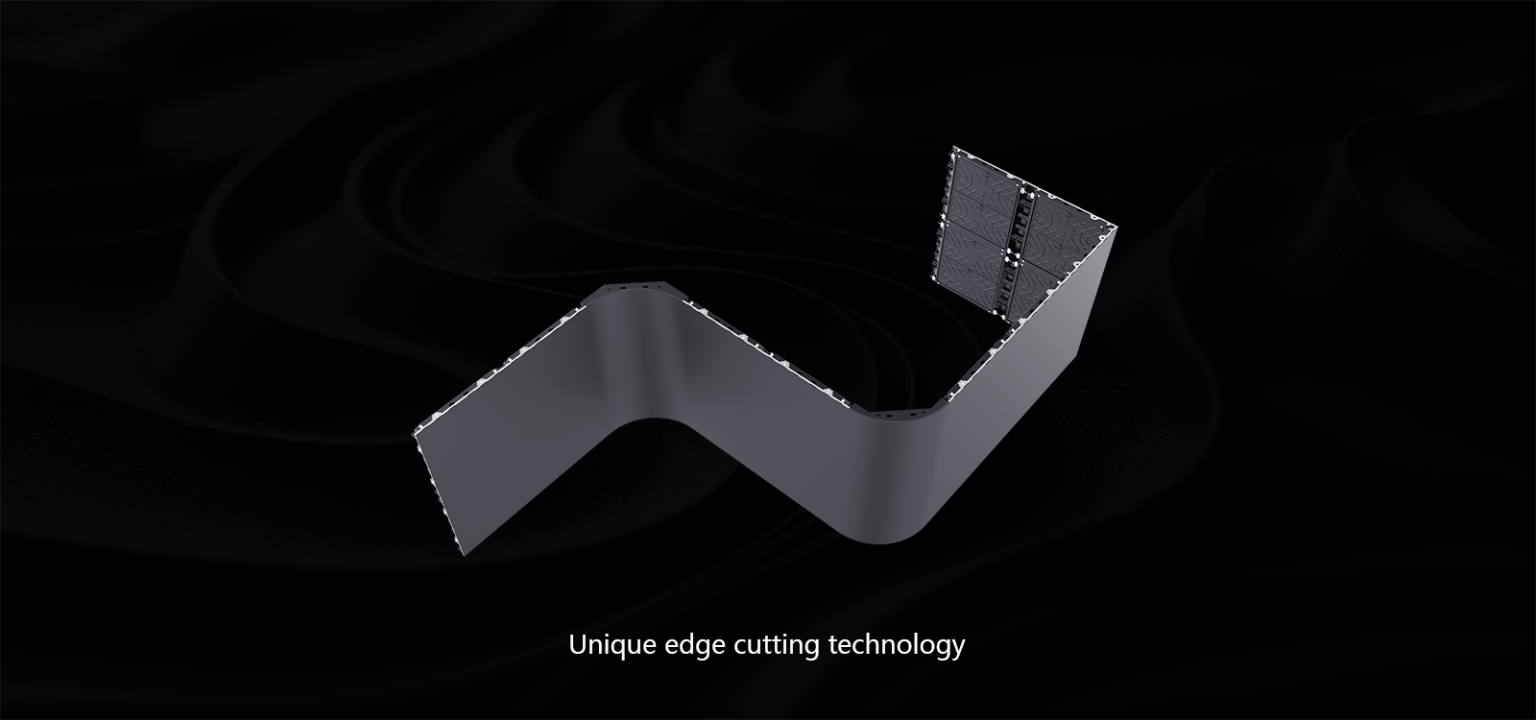
Early shifts: from fixed cabinets to pliable screens
The LED video wall began as a modular, high-brightness solution for large venues and has progressively migrated toward thin, flexible form factors. Early stadium displays relied on rigid cabinets with large pixel pitch; manufacturers reduced pixel pitch while improving brightness and refresh rate, enabling closer viewing distances. The recent arrival of flexible led display technology marks a practical turning point: panels that conform to curved stage sets now match the visual quality once reserved for flat, permanent boards.
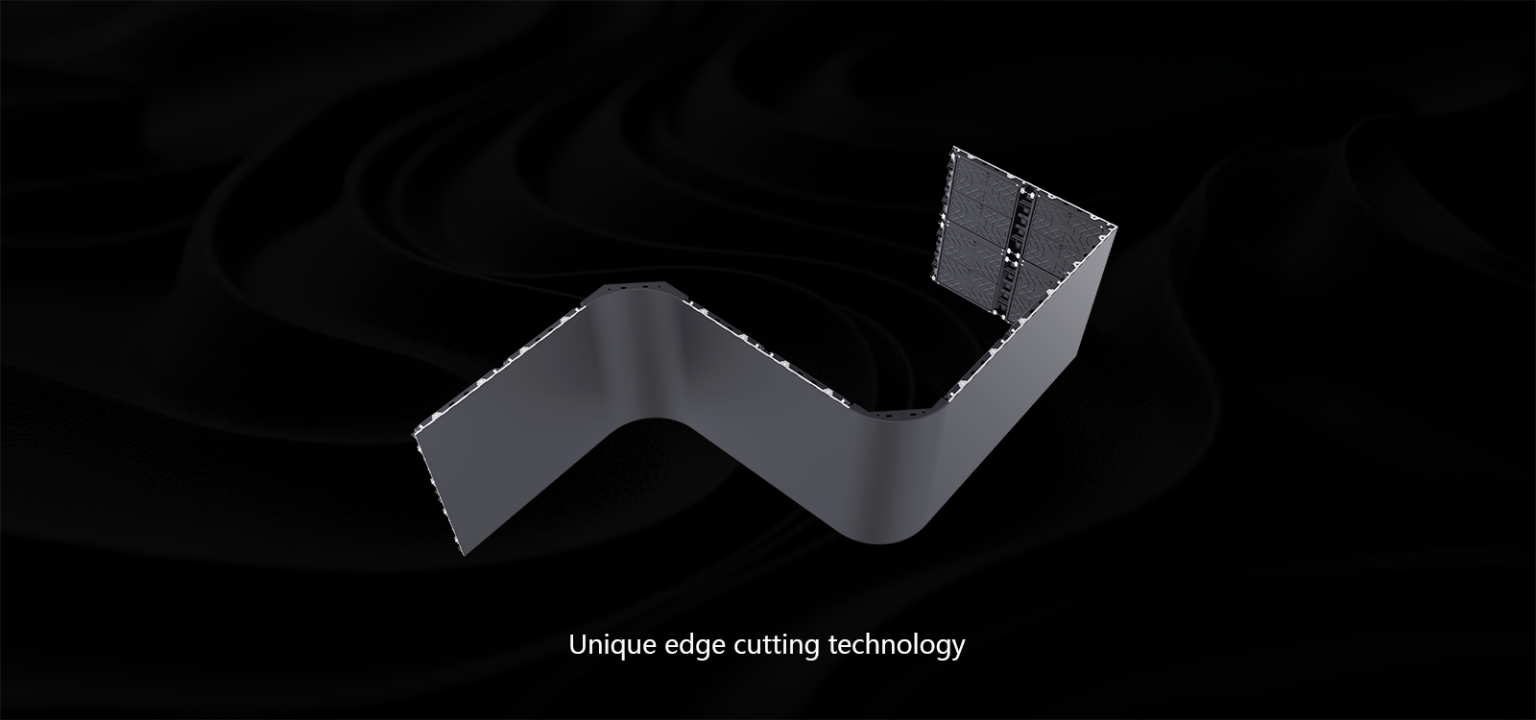
Technical drivers behind the shift
Three engineering trends drove the evolution. First, a steady reduction in pixel pitch delivered finer resolution without proportionally increasing weight. Second, advances in SMD packaging and module design improved thermal performance and lifespan. Third, smarter calibration tools—both software and automated color-matching rigs—made large tiled surfaces read as a single image. These improvements lowered installation complexity and raised image fidelity for concert stages and arenas.
Real-world anchor: stadium deployments and event examples
Large-scale events provide visible evidence of the change. Installations at venues for the 2022 FIFA World Cup in Qatar and recent Super Bowl halftime setups showcased wraparound LED elements integrated into stage architecture and stadium perimeters. Such deployments emphasized both high brightness for daylight visibility and tight calibration for broadcast consistency. Operators now expect displays to survive outdoor exposure and broadcast-grade color accuracy during live events.
Manufacturing and installation considerations
Flexible designs alter supply-chain and on-site practices. Modules are lighter and often arrive as larger bendable sheets, changing rigging requirements and reducing the number of seams. However, flexible panels require precise handling and a different mounting frame—thermal expansion and tension must be controlled. Installers must follow strict torque and fastener specifications and run post-installation calibration procedures to correct any mechanical-induced variances—small errors compound across hundreds of modules. —This handling nuance separates durable stage systems from temporary rentals.
Operational trade-offs and alternatives
Flexible LED video walls offer creative freedom but introduce trade-offs. Curved or draped systems can impose limits on maximum brightness and complicate maintenance access. For some venues, a hybrid approach—rigid high-brightness perimeter boards paired with flexible in-stage backdrops—delivers both durability and aesthetic versatility. When budgets or maintenance capacity are constrained, conventional cabinet-based LED arrays remain a valid alternative, especially for permanent stadium signage.
Common mistakes to avoid during specification
Planners often underestimate three items: viewing distance requirements, environmental protection for outdoor use, and integration with broadcast workflows. Pixel pitch must match the closest viewer sightline; specifying too fine a pitch raises costs without perceptible benefit. Weatherproofing and ingress protection should align with local climate and expected exposure. Finally, ensure refresh rate and processing latency meet broadcaster and camera-sensor standards to avoid flicker and strobing under high-frame-rate capture.
Advisory: three golden rules for selecting LED video systems
1) Match pixel pitch and brightness to the venue’s primary use case. Measure the nearest audience distance and target a pixel pitch that preserves perceived sharpness without overspecifying the budget.
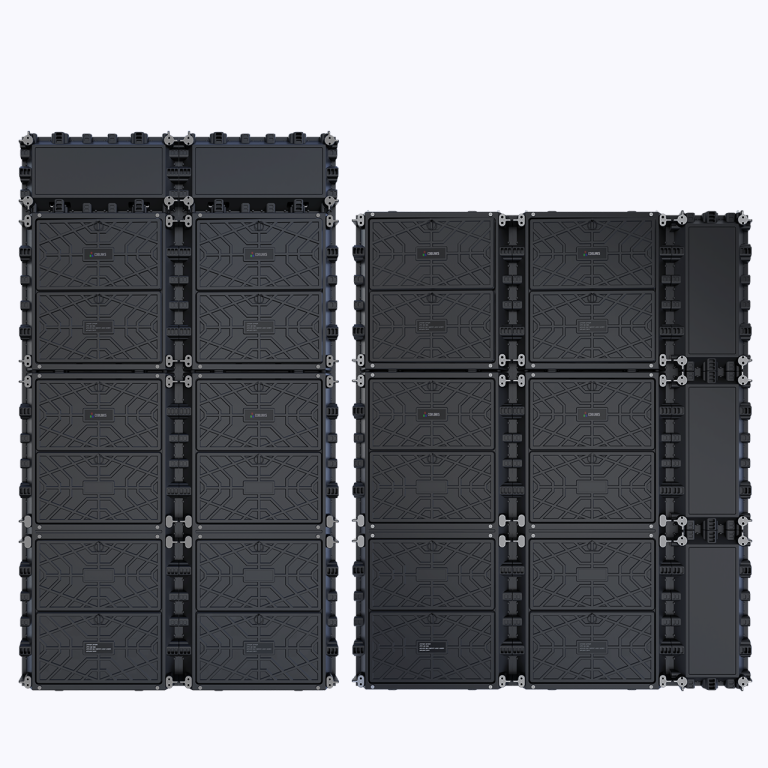
2) Prioritize serviceability and calibration. Favor modules and mounting systems that allow rapid module swaps and automated color calibration to minimize downtime between events.
3) Validate environmental and broadcast specs up front. Confirm IP rating, operating temperature range, and that refresh rate and processing pipelines meet broadcast partners’ requirements.
Conclusion and brand context
LED video wall technology has moved from rigid, high-brightness cabinets toward adaptable, creative surfaces without abandoning the operational rigor required for stadium and stage applications. When the project demands a conforming backdrop or complex curved geometry, flexible led display panels now provide a practical, tested option that balances image quality and install complexity. For teams aiming to blend creativity with dependable performance, Coblinks represents a technical path that ties design possibilities to real-world operational standards—reliable, serviceable, and built for live environments. –