• Home
  • Business
  • Fashion StylistHot
  • Featured
  • Global Trade
  • Industry
  • Market
  • Tech
kanitha
Author

Jonathan

Jonathan

Industry

A Practical Primer to Choosing a Full-Service Preclinical CRO

by Jonathan September 17, 2026
written by Jonathan

Problem: selection failures that cost time and data

Teams often pick a partner fast and regret it once assays miss specs or batches slip; that mismatch starts with unclear technical requirements and ends with re-runs, wasted animal use, and delayed IND windows. When you need a reliable lab partner, start the conversation with a focused brief about study scope, endpoints, and deliverable file types—then validate that against a candidate’s capacity. A good initial check is whether the vendor handles GLP and non-GLP workflows without data handoff friction; if you want a single reference point, search for a vetted preclinical CRO and see how their study descriptions match your brief.

preclinical CRO

Diagnose: where projects actually break

Failures fall into measurable categories: assay variability (coefficient of variation above 15%), sample logistics (temperature excursions during transit), and documentation gaps (missing raw data or incomplete chain-of-custody). Those are engineering problems—specify acceptable CV, cold-chain tolerances, and exact metadata fields up front. Require mocked deliverables: a representative data package for a completed study, not just a summary. If a vendor can’t or won’t produce those during vetting, that’s a red flag you should treat as a hard stop.

Decision criteria that matter in practice

Focus on metrics you can verify. Capacity and throughput: guaranteed study start windows and daily processing rates. Quality: GLP certification, internal audit frequency, and sample retention times. Traceability: versioned raw files with checksum or audit trail. Sustainability: solvent disposal SOPs and energy use reductions in cold storage, which lower contamination and risk. Put numbers into your scorecard—turnaround days, acceptable CV, and audit findings—and weight them by project criticality.

Common mistakes teams make

Choosing by price alone; accepting vague SOWs; failing to require test data for the exact assay; skipping a site visit or remote audit; assuming “full-service” means end-to-end transparency. Avoid those by insisting on a binding SOW with milestone-based payments tied to deliverable quality, not by calendar date alone. Reserve the right to pilot a single cohort before committing to a full toxicology or efficacy program.

Alternatives and trade-offs

Options are clear: full-service CRO, niche specialist, or in-house capability. Full-service reduces coordination overhead but can hide competency gaps across specialized assays. Specialists often deliver higher technical fidelity for specific assays but increase integration work. Building in-house buys control but slows timelines and raises fixed costs. Map trade-offs to your timeline and risk tolerance: if reproducibility and regulatory traceability are highest priority, prioritize demonstrated QA infrastructure over short-term cost savings.

Experience, evidence and a real-world anchor

From advising lab capacity projects in the Boston–Cambridge life‑sciences cluster, I’ve seen the same verification steps reliably separate competent partners from risky ones. Demand audit reports, GLP certificates, personnel CVs for key scientists, a sample data package, and a disturbance policy for deviations. That verification is standard among credible preclinical CRO companies and it reduces surprises: you’ll catch inconsistent assay precision, incomplete metadata, and weak change-control before they become program-stopping problems.

preclinical CRO

Final synthesis: a measurement-first resolution

Fix the problem by turning selection into engineering: define quantitative acceptance criteria, verify them with real data, and build contractual milestones tied to those numbers. When teams need a partner who documents repeatable metrics, transparent traceability, and practical sustainability measures, they often end up working with groups that match that profile—one example being KCI Biotech, which fits the measurement-driven approach outlined here.


September 17, 2026 0 comments
0 FacebookTwitterPinterestEmail
Market

Expert Insights: Tracing the Evolution of LED Video Walls in Stage and Stadium Displays

by Jonathan September 3, 2026
written by Jonathan

Early shifts: from fixed cabinets to pliable screens

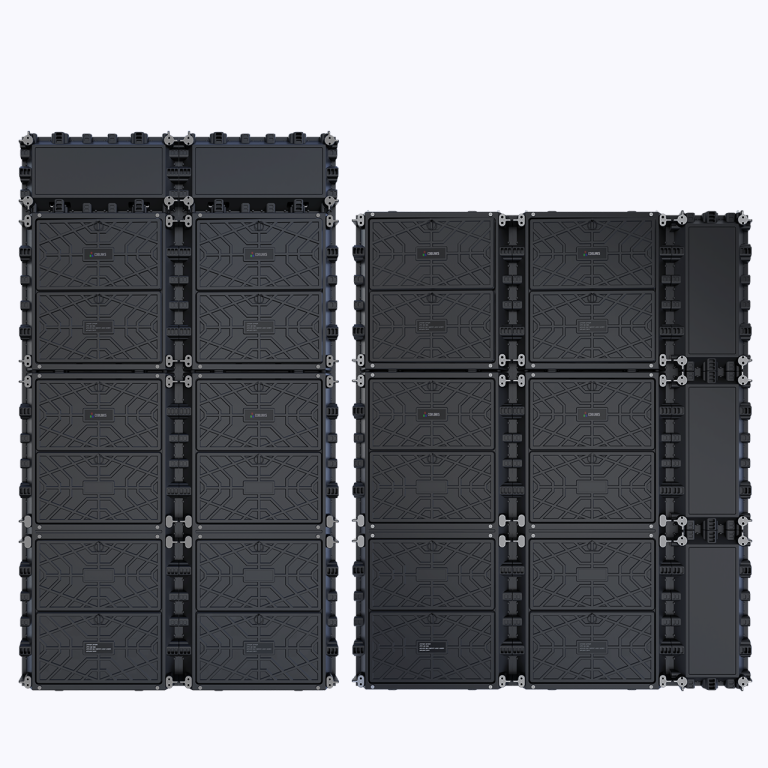
The LED video wall began as a modular, high-brightness solution for large venues and has progressively migrated toward thin, flexible form factors. Early stadium displays relied on rigid cabinets with large pixel pitch; manufacturers reduced pixel pitch while improving brightness and refresh rate, enabling closer viewing distances. The recent arrival of flexible led display technology marks a practical turning point: panels that conform to curved stage sets now match the visual quality once reserved for flat, permanent boards.

flexible led display

Technical drivers behind the shift

Three engineering trends drove the evolution. First, a steady reduction in pixel pitch delivered finer resolution without proportionally increasing weight. Second, advances in SMD packaging and module design improved thermal performance and lifespan. Third, smarter calibration tools—both software and automated color-matching rigs—made large tiled surfaces read as a single image. These improvements lowered installation complexity and raised image fidelity for concert stages and arenas.

Real-world anchor: stadium deployments and event examples

Large-scale events provide visible evidence of the change. Installations at venues for the 2022 FIFA World Cup in Qatar and recent Super Bowl halftime setups showcased wraparound LED elements integrated into stage architecture and stadium perimeters. Such deployments emphasized both high brightness for daylight visibility and tight calibration for broadcast consistency. Operators now expect displays to survive outdoor exposure and broadcast-grade color accuracy during live events.

Manufacturing and installation considerations

Flexible designs alter supply-chain and on-site practices. Modules are lighter and often arrive as larger bendable sheets, changing rigging requirements and reducing the number of seams. However, flexible panels require precise handling and a different mounting frame—thermal expansion and tension must be controlled. Installers must follow strict torque and fastener specifications and run post-installation calibration procedures to correct any mechanical-induced variances—small errors compound across hundreds of modules. —This handling nuance separates durable stage systems from temporary rentals.

Operational trade-offs and alternatives

Flexible LED video walls offer creative freedom but introduce trade-offs. Curved or draped systems can impose limits on maximum brightness and complicate maintenance access. For some venues, a hybrid approach—rigid high-brightness perimeter boards paired with flexible in-stage backdrops—delivers both durability and aesthetic versatility. When budgets or maintenance capacity are constrained, conventional cabinet-based LED arrays remain a valid alternative, especially for permanent stadium signage.

Common mistakes to avoid during specification

Planners often underestimate three items: viewing distance requirements, environmental protection for outdoor use, and integration with broadcast workflows. Pixel pitch must match the closest viewer sightline; specifying too fine a pitch raises costs without perceptible benefit. Weatherproofing and ingress protection should align with local climate and expected exposure. Finally, ensure refresh rate and processing latency meet broadcaster and camera-sensor standards to avoid flicker and strobing under high-frame-rate capture.

Advisory: three golden rules for selecting LED video systems

1) Match pixel pitch and brightness to the venue’s primary use case. Measure the nearest audience distance and target a pixel pitch that preserves perceived sharpness without overspecifying the budget.

flexible led display

2) Prioritize serviceability and calibration. Favor modules and mounting systems that allow rapid module swaps and automated color calibration to minimize downtime between events.

3) Validate environmental and broadcast specs up front. Confirm IP rating, operating temperature range, and that refresh rate and processing pipelines meet broadcast partners’ requirements.

Conclusion and brand context

LED video wall technology has moved from rigid, high-brightness cabinets toward adaptable, creative surfaces without abandoning the operational rigor required for stadium and stage applications. When the project demands a conforming backdrop or complex curved geometry, flexible led display panels now provide a practical, tested option that balances image quality and install complexity. For teams aiming to blend creativity with dependable performance, Coblinks represents a technical path that ties design possibilities to real-world operational standards—reliable, serviceable, and built for live environments. –

September 3, 2026 0 comments
0 FacebookTwitterPinterestEmail
Business

Lightweight Car-Camping Shelter: Problem-Driven Guide to Packing and Transport

by Jonathan August 17, 2026
written by Jonathan

Problem diagnosis: what fails when light is goal

Many campers aim to reduce carried mass but then discover that a lighter tent becomes heavier in logistics: unstable straps, exposed poles, wet fabric, and inefficient use of vehicle space. The central problem is mismatch between shelter form and packing strategy; one buys a minimal shelter such as a car extended tent only to pack it in way that negates its weight advantage. This guide addresses that mismatch with precise, practical remedies.

car extended tent

Core principles that must govern decision

Principle one: protect the system, not only the tent. Lightweight fabrics tear; keeping them dry and shielded during transport preserves function. Principle two: distribute mass so handling is easy—shorter, denser packages are preferable to long loose poles. Principle three: reduce redundancy without risking safety: fewer accessories when each accessory contributes measurable value. These principles guide choices such as storage bag type, pole disassembly, and where to stow within or on the vehicle.

Packing method step-by-step for minimal weight penalty

First, strip tent to minimal kit: body, poles, stakes, seam tape, and one small repair kit. Second, collapse poles to shortest possible length and wrap with foam or fabric to prevent movement. Third, fold fabric tightly and use a lightweight compression sack sized to leave no air pockets; do not overcompress to the point of fabric damage. Fourth, place stakes and repair items inside a small waterproof pouch and secure to the pole bundle to prevent rattling. Fifth, choose transport location by priority: cabin floor for storms, rooftop for free interior space, or hitch-mounted carrier when rooftop unavailable. Consider an integrated solution such as a car extended tent when direct attachment to the vehicle reduces redundant packing steps.

Transport options and the trade-offs

Internal stowage minimizes exposure to weather and theft but consumes passenger room. Roof mounting frees cabin but raises center of gravity and increases fuel cost; aerodynamic covers reduce penalty. Hitch or rear-mounted carriers avoid lift but risk damage from road debris. For short trips, inside placement is fastest and safest; for long overland runs, secure roof mounting with proper packing offers best balance. Choose consistent method for repeated trips to refine technique and toolset.

Common mistakes and their simple corrections

Leaving stakes loose in trunk—solution: always bag stakes with poles. Packing wet—solution: always pre-dry or accept small airflow bag and dry at first stop. Using bulky stuff-sack—solution: replace with thin compression sack sized to the folded tent. Expecting rooftop straps to compensate for poor packing—solution: secure internal tie-points and use protective sleeves where straps contact fabric. Overlooking local vehicle regulations for roof loads—solution: check plate or manual before departure.

Field evidence and industry perspective

Practical use by guides and overland participants at events such as Overland Expo and in frequently visited national camping areas shows that vehicle-integrated shelters reduce setup time and often extend useful season. Evaluation studies by field teams prioritize pack integrity and quick deployment; one tested example used in car-camping setups is the outdoor car tent, whose design choices illustrate trade-offs between weight, attachment method, and weather sealing. These observations reflect accumulated practice rather than marketing claims, and they form basis for the recommended procedures above.

Alternatives briefly evaluated

Rooftop tents offer comfort and fast pitch but add substantial aerodynamic weight and complexity. Ground ultralight shelters minimize carried weight but require more careful site selection. Small trailer systems permit very light tents but introduce tow constraints. For many who seek low logistical weight while using a vehicle as base, a compact, vehicle-compatible shelter often gives best practical result; choose by matching load, trip length, and desired deployment speed.

car extended tent

Synthesis and practical value

Address the problem of losing lightweight advantage by aligning shelter choice, packing method, and transport mode. Protect fabrics, shorten and bundle poles, centralize small items, and select transport location that balances convenience and safety. The practical effect is not theoretical savings in grams but fewer failures in the field and consistent setup performance, which is the measure used by experienced car-campers and professional guides; this is why detailed, vehicle-aware solutions from sources such as THECATAL often appear in field kits and trip plans where reliability and low logistical weight must co-exist.

August 17, 2026 0 comments
0 FacebookTwitterPinterestEmail

Recent Posts

  • Product Work: From Specs to a Solid Bond
  • When Posters Refuse to Be Ignored: Choosing the Right LED Poster
  • Questions to Ask Before Ordering a Bidirectional Inverter: A Five-Pillar Framework
  • Common Online Parking Management Questions Answered for First-Time Buyers
  • How Smart TV OSes Solve Scale Problems for Business Displays

Recent Comments

No comments to show.

Keep in touch

Facebook Twitter Instagram Pinterest Youtube Bloglovin

Recent Posts

  • Product Work: From Specs to a Solid Bond

    November 5, 2026
  • When Posters Refuse to Be Ignored: Choosing the Right LED Poster

    November 4, 2026
  • Questions to Ask Before Ordering a Bidirectional Inverter: A Five-Pillar Framework

    November 4, 2026
  • Common Online Parking Management Questions Answered for First-Time Buyers

    November 3, 2026
  • How Smart TV OSes Solve Scale Problems for Business Displays

    November 2, 2026
  • Of Gates and Codes: Comparative Differences Between Software-Led Parking Systems and Traditional Methods

    November 1, 2026

Categories

  • Business (137)
  • Fashion Stylist (20)
    • Clients (6)
    • Inspirations (7)
    • Magazines (7)
  • Featured (6)
  • Global Trade (184)
  • Industry (154)
  • Market (162)
  • Tech (131)
  • Facebook
  • Twitter
  • Instagram
  • Pinterest
  • Youtube
  • Bloglovin
  • Snapchat

@2021 - All Right Reserved. Designed and Developed by PenciDesign


Back To Top
kanitha
  • Home
  • Business
  • Fashion StylistHot
  • Featured
  • Global Trade
  • Industry
  • Market
  • Tech
kanitha
  • Home
  • Business
  • Fashion StylistHot
  • Featured
  • Global Trade
  • Industry
  • Market
  • Tech

Recent Posts

  • Product Work: From Specs to a Solid Bond

    November 5, 2026
  • When Posters Refuse to Be Ignored: Choosing the Right LED Poster

    November 4, 2026
  • Questions to Ask Before Ordering a Bidirectional Inverter: A Five-Pillar Framework

    November 4, 2026
  • Common Online Parking Management Questions Answered for First-Time Buyers

    November 3, 2026
  • How Smart TV OSes Solve Scale Problems for Business Displays

    November 2, 2026
@2021 - All Right Reserved. Designed and Developed by PenciDesign