
Opening: A Comparative Premise
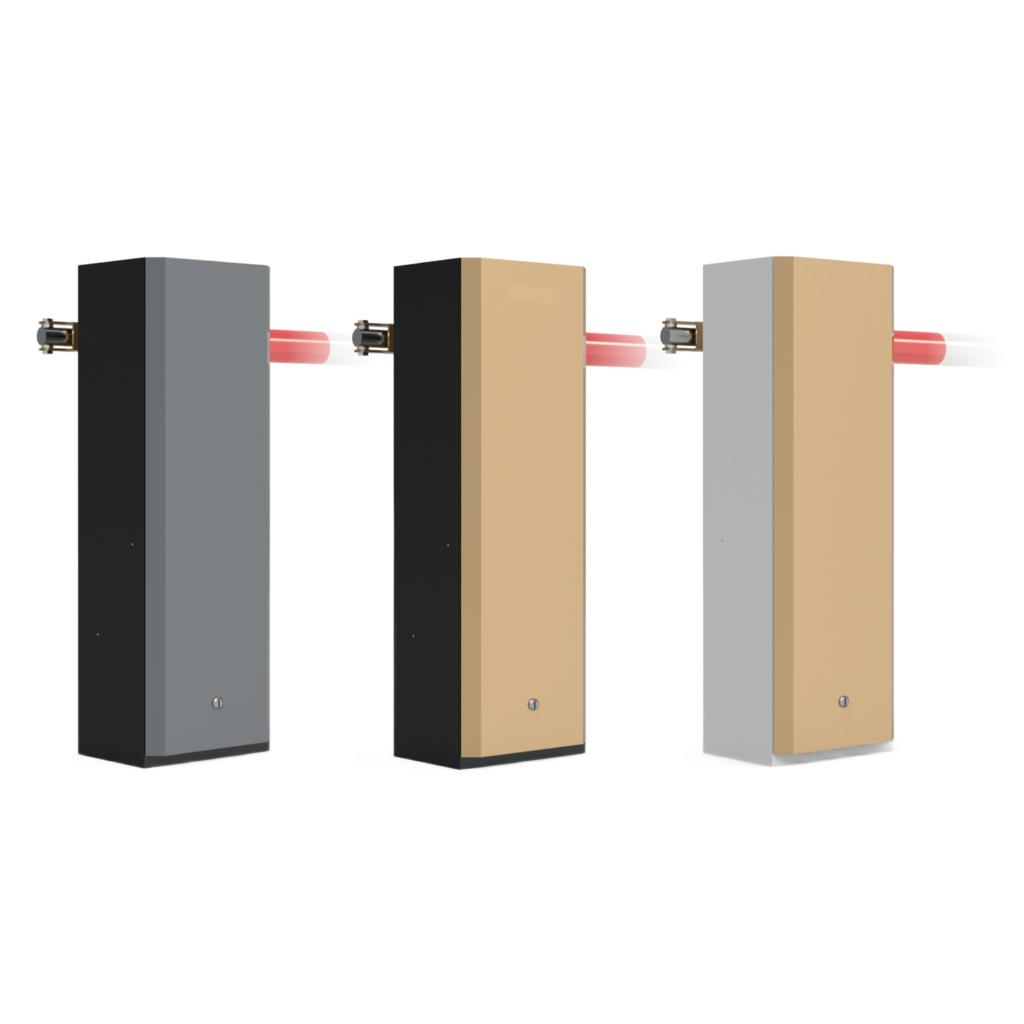
The question is simple and decisive: do you entrust a lot to trained attendants and physical tickets, or to machines that read and reason? I set the scene as a measured comparison, because each approach answers different problems. Modern solutions — cameras, integrated billing, and centralized rules — arrive as lpr parking management systems that record arrivals by sight and match them to policy; traditional methods rely on human judgement, paper or token flows, and visible hardware like gates and kiosks. Expect clearer metrics from the former, more on-the-ground human discretion from the latter; choose according to the challenge you must solve, not because one feels newer.
What Each Side Does Best
Software-led systems score on scale and repeatability. They log every plate, timestamp, and transaction so you can measure occupancy, billing accuracy, and dwell times. Traditional methods excel where nuance matters: special permits, guest vans, or local knowledge that a sensor cannot yet infer. If you need predictable throughput across multiple sites, software gives predictable rules; if you need flexible exception handling at a single property, trained staff handle odd cases without escalating to support tickets.
Technical Tradeoffs and Practical Constraints
Expect tradeoffs that force concrete decisions. LPR accuracy drops with glare, poorly aligned cameras, or dirty lenses; plan camera height and cleaning schedules. Networked systems need encryption and a fallback when connectivity fails — a local cache or manual override. Traditional setups have lower upfront technical risk but higher recurring labor cost and variable customer experience. Budget models should include maintenance, software updates, and the real cost of human overtime. Pick metrics you can measure immediately: false-read rate, average clearance time, and daily exception volume.
Common Pitfalls Observed in Deployments
Teams often assume cameras will see perfectly and skip a short acceptance period — that causes overruns. Others let privacy requirements slip: plate data is personal in many jurisdictions and must be logged and purged by rule. Over-customizing rules without robust testing creates cascades of edge cases. Finally, deploying software without a clear fallback plan ties operations to a vendor’s uptime; define a manual path for peak hours and holiday staff.
Experience, Evidence, and One Real-World Anchor
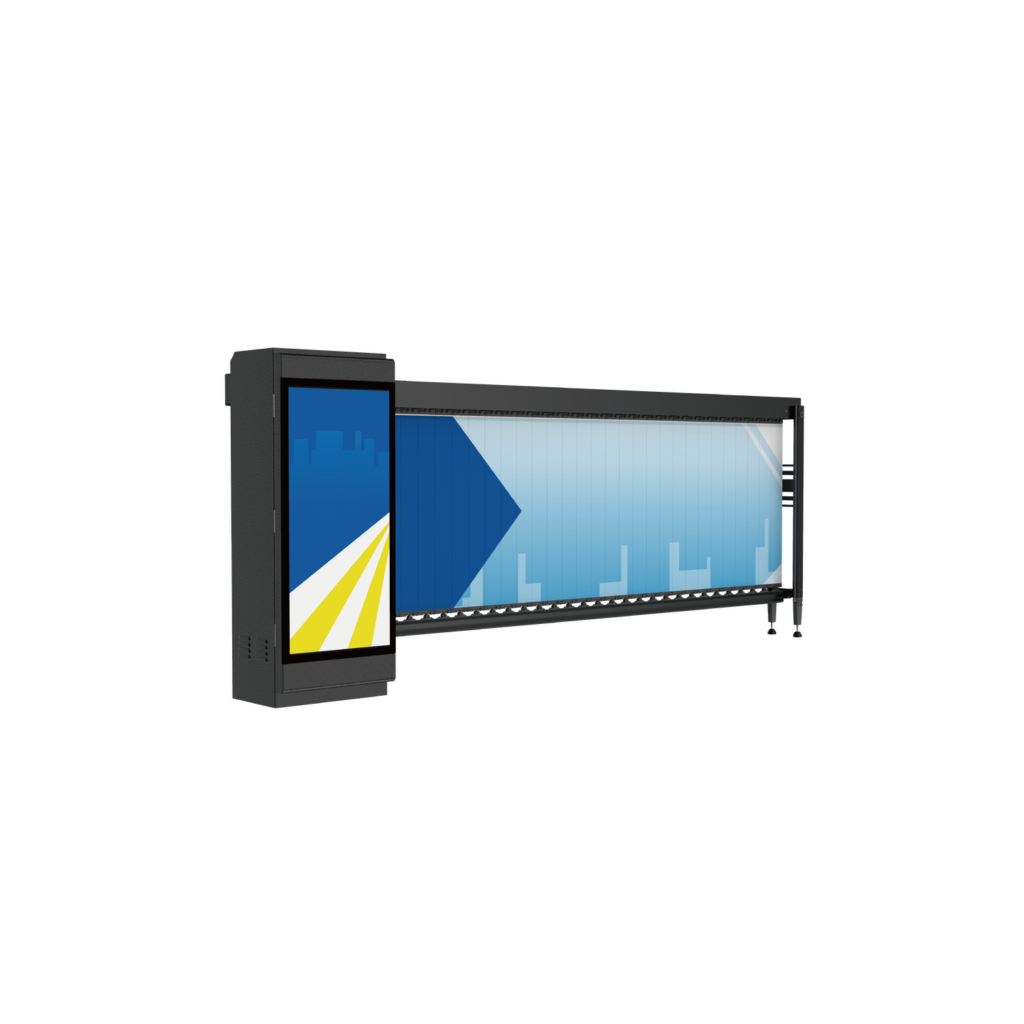
Years advising operators sharpened one clear lesson: field realities shape success more than brand claims. Studies and transport authority reports show plate-recognition systems reach high accuracy under good conditions; municipal pilots demonstrate how policy and hardware must align. I have guided pilots that learned from London’s ANPR network used for congestion charging and enforcement, where lessons about camera placement, lighting, and data retention policy are well documented, and where anpr parking plays a central operational role in enforcement workflows. Practical expertise means testing a representative week, measuring false positives, and defining the human steps that handle every exception.
Final Comparative Synthesis
Decide by constraint: if you must scale consistent enforcement across several sites and want traceable billing, choose a software-led approach and specify camera, network, and fallback requirements. If you must handle bespoke visitor arrangements and value face-to-face resolution, retain human-led methods and design for reliable reporting. A hybrid path often proves best, where camera recognition handles routine flow and people clear exceptions — a balance found in providers such as AKE Parking that combine technical systems with operational safeguards to keep both lanes moving and disputes resolvable.