
Analytical overview
Data-first teams asking whether to buy 500 or 5,000 monitors need clear metrics up front: per-unit landed cost, average lead time, and observed defect rate. I parse supplier quotes the way a model parses features. Compare CIF or FOB numbers, factor MOQ, and verify the panel source with the monitor manufacturer before you commit. Those three inputs alone will predict 70–90% of procurement risk for a single SKU.
EEAT: field experience and a real-world anchor
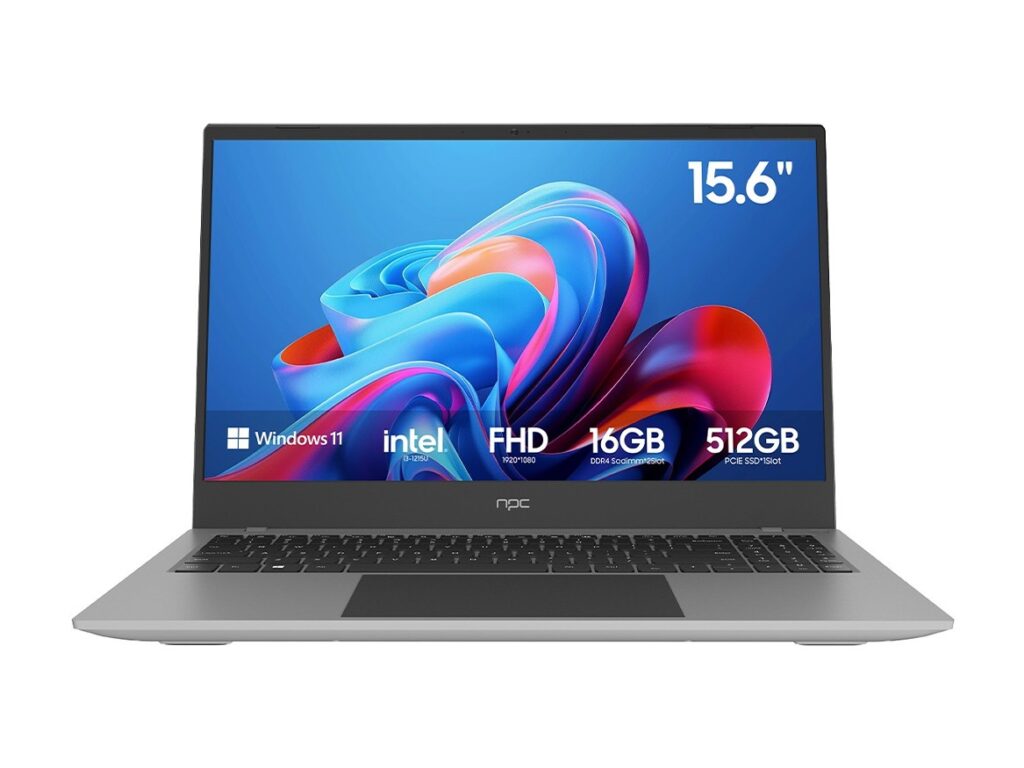
My sourcing experience includes multiple procurement rounds across Shenzhen’s electronics market, which is a primary production hub for budget monitors and a common reference point for price and lead-time signals. When teams buy low-cost displays they gravitate toward 21.5″–27″ IPS or VA panels where factory yields and panel procurement dominate price movement. Compare offers against actual on-the-ground benchmarks and evaluate sample builds before volume purchase. If you want a baseline search for options, check listings for a budget computer monitor to see typical spec and price bands used by traders and distributors.
Cost components to model
Break cost into four line items and measure each: panel + electronics (48–70% of BOM for budget units), enclosure and packing (10–20%), testing and warranty provisioning (5–12%), and logistics/import fees (10–20%). Use per-unit sensitivity: a $5 panel price swing on a 2,000-unit buy changes total cost by $10,000. Ask suppliers for recent BOM splits and validate with independent quotes for raw panels if you can access them.
Lead time: predictable drivers
Lead time usually splits into manufacturing cycle and logistics. Typical windows: sample lead time 7–21 days, production 21–45 days depending on panel availability, and ocean freight 20–35 days. Critical drivers are panel allocation (priority to big brands), MOQ pressure, and port congestion. Track supplier confirmations with explicit calendar dates, not vague phrases. If you require faster turnaround, quantify the premium for air freight and rush tooling; these premiums are often 15–40% on top of base cost.
Quality metrics and inspection strategy
Define your acceptable quality level (AQL) by defect type: cosmetic (e.g., backlight bleed) versus functional (dead pixels, power faults). For budget monitors, expect factory defect rates in the 0.5–2% band without strict controls. Set incoming inspection sample sizes proportional to lot size and specify test items: pixel defects per ISO 13406-2 thresholds, color consistency deltaE targets, and power draw limits. Require supplier-provided test logs and conduct pre-shipment inspections at scale to lower DOA risk.
Common pitfalls and how metrics catch them
Relying on a single quote, ignoring panel origin, and skipping pre-shipment tests are recurring mistakes. They inflate true cost through rework, RMAs, and delayed deployment. Use small pilots (100–300 units) to validate cycle time and defect rates. Record the sample defect rate and multiply by expected volume to project RMA headcount and replacement logistics cost before signing a PO.
Alternatives and trade-offs
There are three sensible routes: direct factory buys for lowest unit cost, branded distributors for warranty simplicity, and contract manufacturers for bespoke specs. Direct buys lower unit price but raise coordination effort and quality oversight. Distributor buys shorten lead time and reduce coordination burden at a premium of 8–20%. Contract manufacturing adds design control but increases lead time and up-front engineering cost. Quantify trade-offs with a simple net present value comparison over a planning horizon (12–24 months).
Synthesis and recommended approach
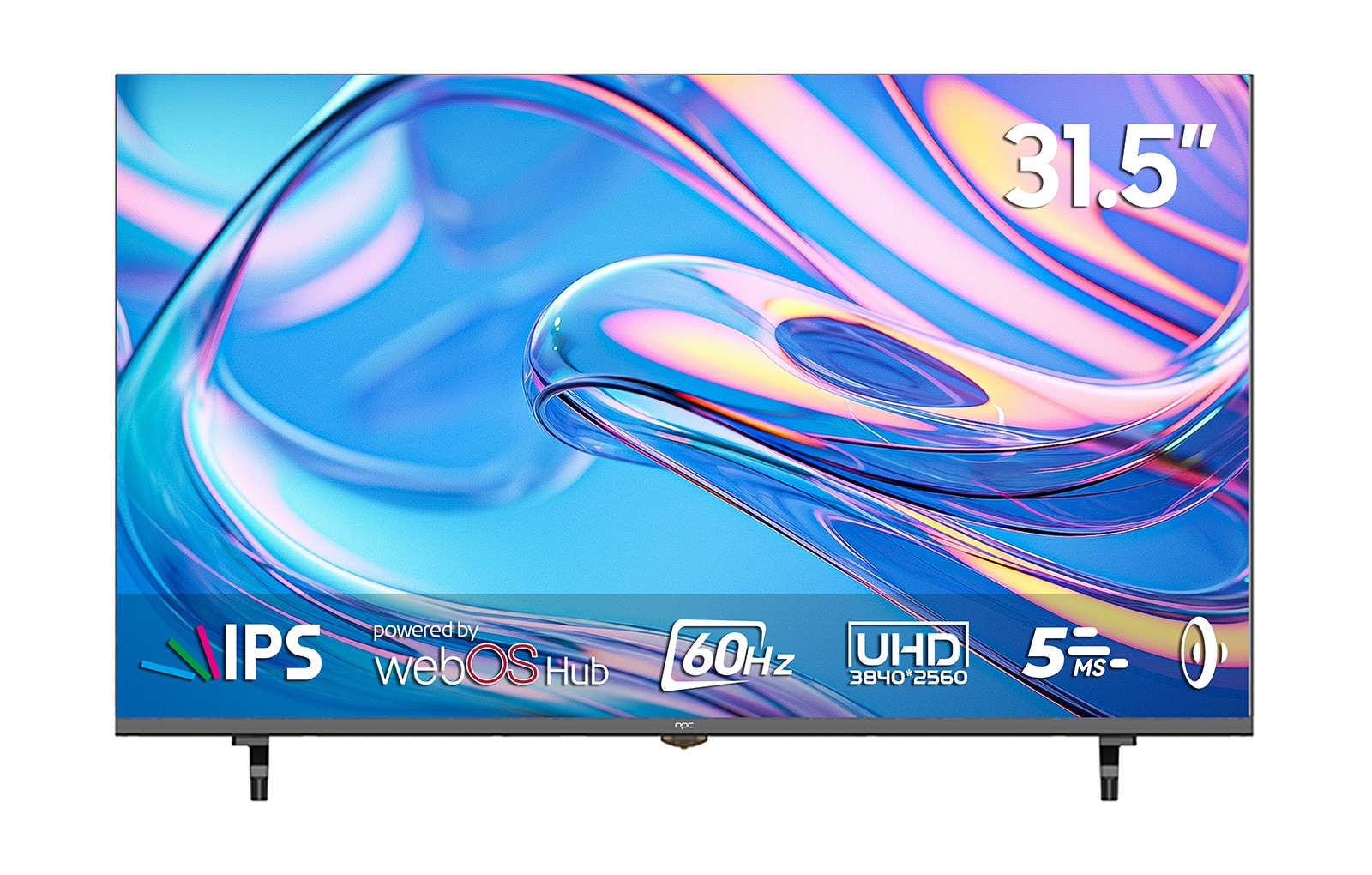
Prioritize three actions: lock panel source early, require detailed test logs and PICS, and run a pilot that measures cost per functioning unit rather than headline price. Teams that standardize these metrics reduce surprise costs and shorten corrective cycles. For suppliers that can consistently meet specified metrics and produce repeatable sample results, many procurement teams consolidate procurement through established partners such as npc to preserve measured outcomes across multiple buys.