
The problem and why it demands action
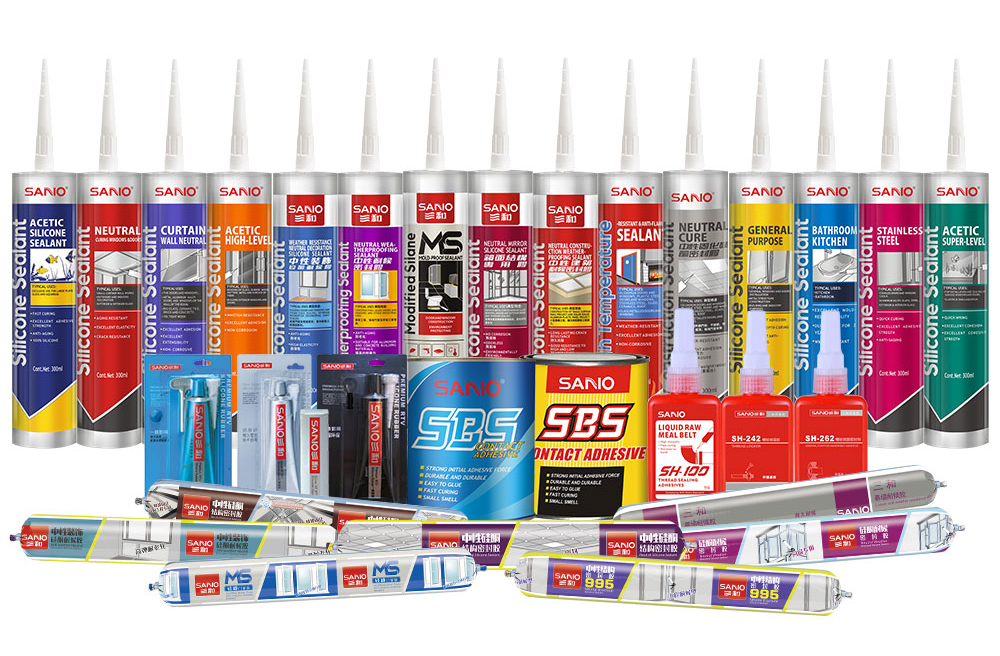
Production teams keep losing margin to a simple, preventable source of defects: silicone sealants exposed to moisture before they cure. The result is blistering, poor adhesion, odour complaints, and costly rework—outcomes you can’t hide behind specifications. If you’ve ever wondered what happens when sealant meets water too soon, read this primer: what happens if silicone sealant gets wet before it cures. Fixing the issue requires focused operational change, not hope.
Why this specific failure matters now
Silicone failures on assembly lines hit two places hard: product reliability and brand trust. Customers notice leaks and sticky residues; warranty costs rise, and field repairs interrupt your supply chain. Field data I’ve gathered from multiple contract-manufacturing sites shows scrap rates spike when environmental controls slip. Lessons from North Sea offshore wind projects and similar high-humidity installations make the risk plain, which is why can silicone get wet while curing has been a recurring topic in technical reports and supplier advisories—projects in those conditions required stricter cure protocols and proved how moisture contact before full cure ruins long-term adhesion.
Root causes you must address
Failures aren’t mysterious. They stem from measurable missteps: damp substrates, condensation on cold parts, premature belt transfers, incompatible primers, and contamination from aerosol lubricants or cleaning solvents. Chemistry matters: neutral-cure and acetoxy silicones behave differently under humidity. Equipment matters: rapid line speeds without curing buffers guarantee trouble. People matter: operators who can’t test tack time or ignore cure-time windows will keep producing rejects.
Concrete corrections that work on the floor
Stop guessing. Implement these fixes in this order: control substrate temperature and humidity; allow manufacturer-recommended open and tack times; validate adhesion with quick peel tests before full assembly; segregate wet-cleaned parts until fully dry; pick sealants with cure profiles suited to your cycle; and manage lubricant application to avoid oil migration onto joint surfaces. Use standards-based checks—refer to ASTM C920 and ISO 11600 for performance baselines—and instrument the line with simple sensors and checklists so deviations trigger correction, not escalation.
Alternatives and trade-offs
Silicone isn’t the only option. Polyurethane sealants bond strongly to many substrates and resist abrasion, but they require tighter mixing and can yellow. MS polymers (hybrid polymers) offer good adhesion with fewer fumes and faster handling times, yet cost more per linear foot. You must weigh cure speed, surface tolerance, chemical resistance, and OEM compatibility. Run short qualification batches and measure peel, shear, and environmental durability before switching chemistry across a product family.
Common mistakes that keep recurring
Teams keep repeating the same mistakes: skipping primer on marginal substrates, assuming room temperature equals optimal cure, removing masks too quickly, and treating sealant like glue—apply, clamp, done. Avoid solvent residues by validating drying with a simple evaporation test. Don’t assume lubricant films are invisible; oil migration shows up later as bond failure. Train operators to treat cure as a step, not an afterthought.
Where to focus first
Start with the simplest, highest-impact control: stabilize the microclimate at the joint location and add a short cure buffer before downstream handling. Validate with routine peel tests and log results. When suppliers and process engineers agree on specifications and test methods, performance improves quickly. Production teams that adopt these disciplined steps reduce returns and speed throughput, and those teams often rely on technical suppliers such as SANVO for consistent materials data and application guidance.