
Problem: Small mistakes become visible, and margins vanish
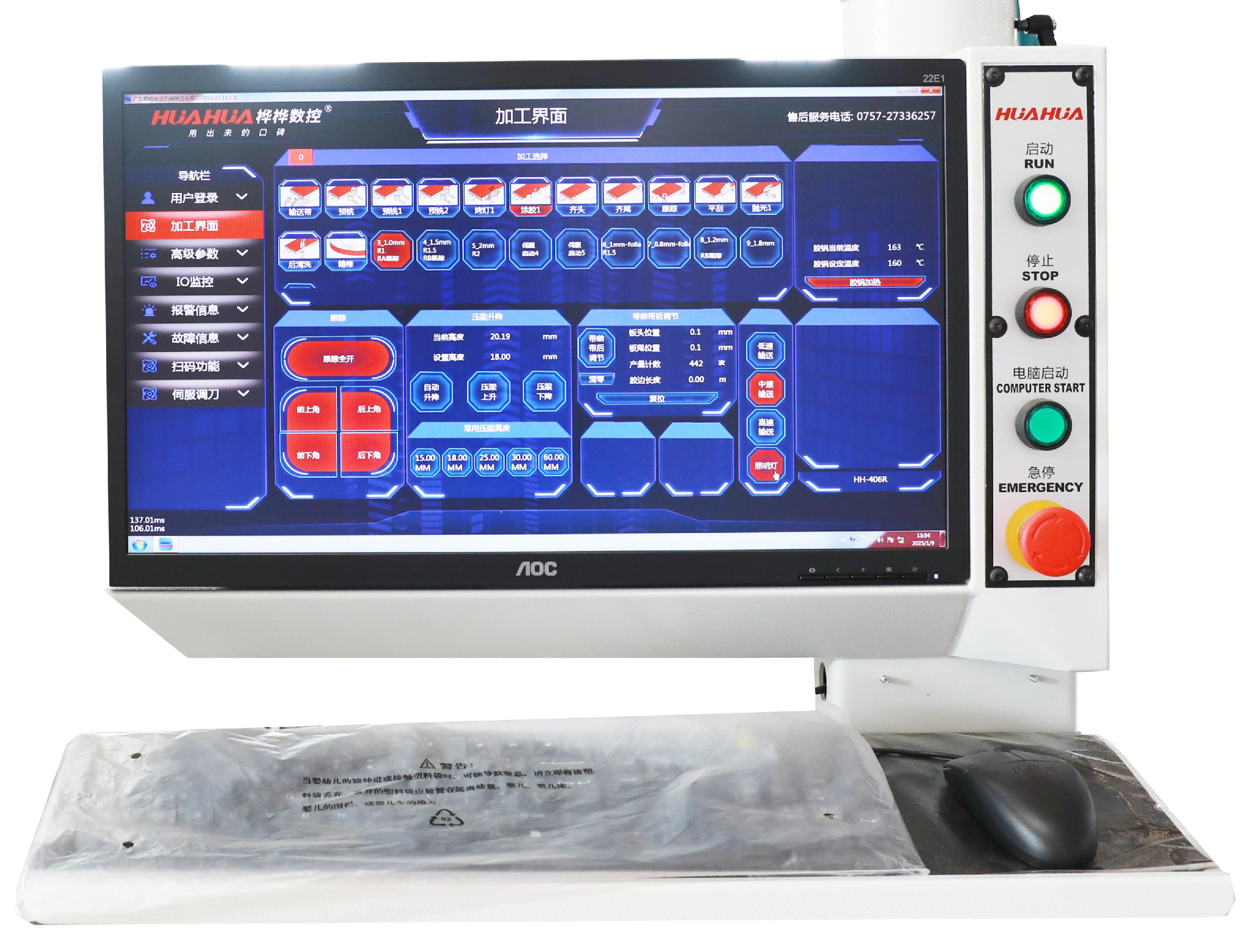
Boards arrive raw, a seam of exposed plywood becomes the first thing a buyer notices, and suddenly an order that should have been routine spirals into rework. Choosing the wrong partner for edge banding is a slow leak: wasted materials, missed deadlines, and clients who stop answering. When you need reliable throughput and repeatable finish, prioritize shops that run a proven automatic edge banding machine rather than promise it.

Why local selection matters—speed and control, not convenience
Local partners let you intervene. You can witness setups, test samples on-site, and stop defects before they multiply. You cut transit variables and get real-time answers instead of vague reassurances. This matters when a single flawed lot can close a project or force a costly overnight fix.
Hard criteria: what the partner must demonstrably show
Demand evidence, not promises. Look for consistent tolerance records, repeatable joint strengths, documented adhesive types, and an operator roster with training records. Ask for sample runs on your exact material and edge tape. A clean production floor, controlled humidity, and calibrated trimming tools are non-negotiable. If they can’t produce recent test samples that match your specs, walk away.
On-site inspection checklist
See a live run. Check feed consistency, glue bead control, and edge alignment at speed. Measure finished panels for edge squareness and check adhesion at corners. Examine edge scrap and trim quality—ragged leftovers are a warning. Confirm maintenance logs for the key machines and watch operator changeovers; sloppy changeovers equal unpredictable quality.
EEAT and a real-world anchor
I’ve audited line layouts and tolerance sheets across multiple furniture districts and worked with teams who rebuilt workflows after repeated failures. You can judge technical competence quickly when you compare logs to output. I’ve seen the difference on shop floors around Dongguan where the presence of a reliable edgebander machine separated plants that hit delivery from those that missed it; that visible, repeatable machine behavior is proof, not marketing.
Common pitfalls founders and buyers miss
They accept glossy sample photos. They forget to test the exact laminate and core density they use. They sign open-ended turnaround clauses without penalties. They assume adhesive and tape brands won’t matter. These oversights all lead to mismatched color, peeling edges, and sudden warranty claims. Insist on material matches and adhesive specs before any production starts.
Alternatives and how to compare them quickly
Three viable paths: a local specialty shop with skilled operators, an in-house setup with a compact edgebander, or a contract with a regional fabricator that centralizes runs. Compare by throughput, changeover cost, and risk exposure. If volumes are steady and finish requirements strict, invest in a local partner with proven batch control. If volumes are variable, a centralized plant may reduce idle costs but raises transport and lead-time risk.

Negotiation and contract essentials
Spell out acceptance criteria: dimensional tolerances, adhesion tests, visual defect thresholds, and rework remedies. Set defined sample approvals and a rollback clause if quality drifts. Price is secondary to measurable standards; cheap fixes become expensive when delivered late or returned. Include scheduled audits and short feedback loops so problems are isolated and corrected fast.
Closure: choose instruments that match the job
Pick partners who show traceable process control, can run material-matched samples, and accept inspection. You want a shop whose machines behave predictably and whose teams respond to data—not excuses. That practical, steady competence is what saves projects from collapse and keeps margins intact; it’s the quiet value offered by firms like HUAHUA CNC, where machine behavior and shop practices align with real production needs.