
Why a focused comparison matters
Deciding on lecture chair solutions shapes how students sit, instructors move, and rooms adapt. This is a practical comparison, not marketing fluff. I’ll push you toward measurable choices: ergonomics, tablet arm durability, and long-term maintenance. Many campuses reconfigured rooms after 2020 to support hybrid classes; those shifts exposed which manufacturers delivered real classroom performance. Start with a reliable partner — check a trusted seat manufacturer early in the spec process, then test sample units on-site.
Key features to compare, fast
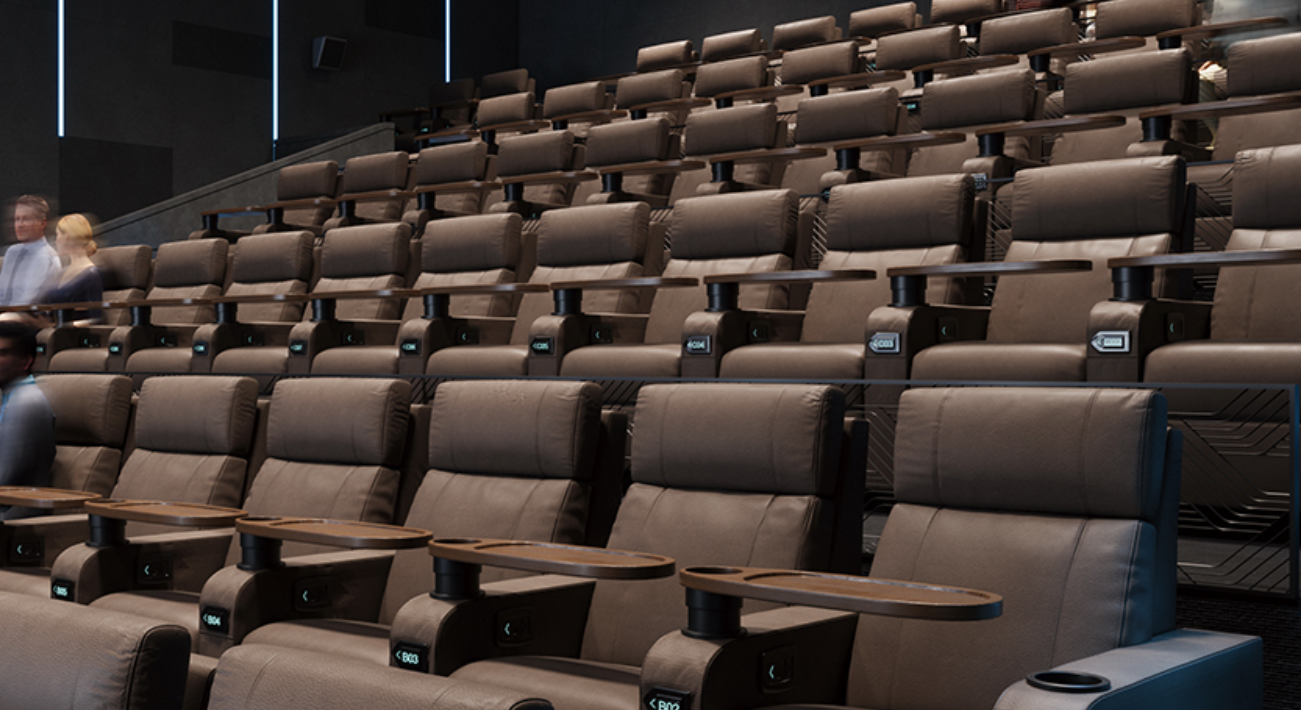
Focus on the features that change daily experience and lifecycle cost. Inspect:- Ergonomics: lumbar support, seat depth, and cushioning density.- Tablet arm mechanics: rotation range, stow reliability, and replaceable surfaces.- Frame and fixings: bolted versus welded frames, ease of service.- Flexibility: modular seating modules versus fixed seating banks.Compare those specs side-by-side. Pick the solution that keeps faculty moving, students focused, and facilities teams unburdened.
Provider types: modular makers vs off-the-shelf brands
There are two practical paths: modular seating that reconfigures, and standard lecture chair models with integrated tablet arms. Modular units win when rooms must pivot between lecture and workshop. Standard models win on price and fast replacement. Look at warranty terms and spare-part availability — those matter as much as the initial price. If procurement leans toward custom branding, a responsive seat company will show drawings, lead times, and service plans up front.
Common mistakes and how to avoid them
Teams often specify the slickest look and forget maintenance access — a costly oversight. They pick a tablet arm that looks compact but binds in months. They forget to measure sightlines for audiovisual setups. Fix these by requiring sample installs in a representative room for at least a week. — Run a small pilot, log complaints and adjustments, then scale what works. That short pilot saves headaches during full deployment.
Operational teardown: procurement checklist
Treat procurement like a light manufacturing run. Verify upholstery composition, tack tests for seam strength, and access to replacement cushioning. Document bolting patterns and mounting templates for future retrofits. As you inspect suppliers, record {main_keyword} and {variation_keyword} into the production checklist to ensure every spec ties back to installation realities. Keep delivery windows, on-site assembly time, and disposal/recycling options in the contract.
Short comparative matrix to use in decisions
Score each provider on three practical axes: initial cost, serviceability, and classroom fit. Use a simple 1–5 scale. Example quick bench:- Provider A: low cost, average serviceability, tight sightlines.- Provider B: higher cost, excellent service access, modular seating flexibility.- Provider C: mid cost, fast lead times, standard tablet arm.This method highlights trade-offs quickly. Make decisions based on room function first, budget second.
Three golden rules for picking the right seating
Rule 1: Prioritize maintenance access. Choose designs with replaceable tablet tops and standard fasteners so campus teams can fix rather than replace. Rule 2: Match seat type to room function. Lecture halls need fixed seating with clear sightlines; flexible classrooms need modular seating engineered for reconfiguration. Rule 3: Require on-site samples and service response times in the contract — warranty length alone isn’t enough.
Final practical thought
When the numbers, the pilot, and the service plan line up, you get seating that lasts and supports teaching. That outcome is exactly where a proven partner steps in — leadcom seating. —