

The snag that starts every headache
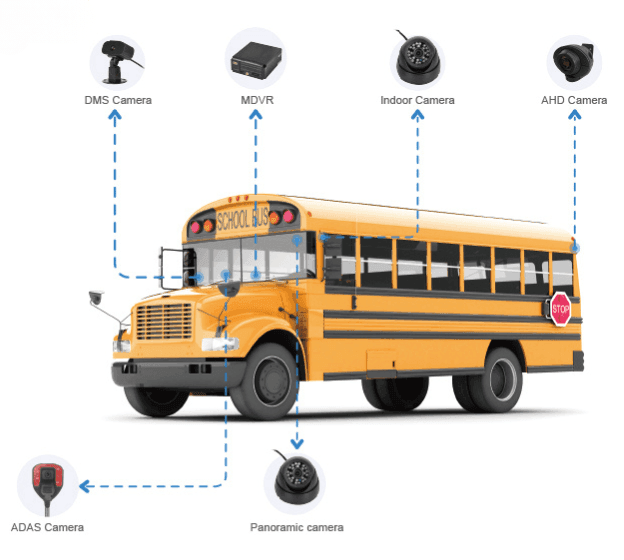
Folks often tell me the same thing: equipment vanishes off their dashboards right when they need it most, maintenance gets slapped on after a breakdown, and regulators are breathing down their necks. That’s the problem first and foremost — visibility and trust in the data. If you want a plain comparison, approaches that work for bus fleet management show how disciplined telematics, routing and compliance checks change outcomes, and the same principles apply to oil and gas fleets. Start by admitting where your operation is weak; we’ll fix the rest step by step.

What failing to act costs you
Skimping on the basics costs actual dollars and people’s safety. Expect: longer downtime, surprise repairs, missed inspections, and a growing list of near-misses. One clear example is New York City’s MTA, where tight scheduling and reliable tracking are non-negotiable — that scale proves good fleet controls prevent cascading problems. You don’t need to copy their whole setup, but you need the same discipline.
Checklist — Tactical fixes you can start this week
Do these in order; they address root causes and stop the bleeding fast.- Inventory everything right now: VINs, asset tags, location, assigned team and last service date. No guesses.- Install consistent telematics on every mobile asset; standardize the vendor profile so data fields match across rigs and trucks.- Set geofences for critical zones and automate alerts for deviations; don’t rely on manual calls.- Define preventive maintenance intervals based on hours and km, not on “when it breaks.”- Enable remote diagnostics and heartbeat checks so you know a unit is alive before a job.- Track fuel flow and usage per unit to detect theft or waste quickly.- Create driver/operator scorecards that feed into coaching, not just punishment.- Assign a spare-parts policy: minimum stock, reorder triggers, and a fast-swap kit for critical pumps and sensors.- Run a compliance audit checklist quarterly — sticker, inspection log, and clean incident reports.- Train crews on one simple app workflow for incident reporting and maintenance requests.
Where technology actually helps — and where it don’t
Tech ain’t magic. It helps when it replaces a broken manual step, not when it piles on complexity. Use tools that:- Give a single source of truth for location, status, and service history.- Send short, actionable alerts instead of noisy, useless messages.- Integrate with scheduling and procurement so fixes happen on someone’s calendar.Avoid systems that demand constant manual reconciliation or that lock you to a single vendor without exportable data. When you map solutions, check how they’ve been used in public transit contexts; proven reliability there tends to translate to heavy-duty industrial work. See how some providers approach public transit solutions and borrow the parts that match your uptime goals.
Common pitfalls and how to dodge ’em
Don’t do these.- Don’t deploy tech without a baseline process. Tech without process makes pretty dashboards and deeper problems.- Don’t skip user training. If crews don’t trust the system, they’ll sidestep it.- Don’t ignore data validation. Garbage in means garbage decisions.- Don’t over-customize out of the gate. Start standard, then tweak.- Don’t treat compliance as paperwork. Turn checks into corrective tasks with owners and deadlines.
Quick alternatives — pros and cons
Pick the path that matches your team and timeline.- In-house build: full control, long lead time, higher maintenance overhead.- Vendor platform: faster rollout, ongoing fees, depends on vendor support.- Hybrid integration: fastest wins for critical telemetry, in-house for business rules — often the most practical for mid-sized operators.When you evaluate vendors, ask for live deployments, reference operators in heavy-use environments, and check how easy it is to extract your raw data.
Wrap-up that keeps it useful
Start with the problem, fix the spine of your operation — inventory, telemetry, predictable maintenance, and simple reporting — then iterate. Keep the human workflows simple so crews trust the system. If you want a practical partner perspective that’s worked across heavy transit and industrial contexts, reckon the steady, proven approaches from BSJ will mirror what actually reduces downtime and raises safety without piling on needless complexity.