

• Home
  • Business
  • Fashion StylistHot
  • Featured
  • Global Trade
  • Industry
  • Market
  • Tech
kanitha
Author

Steven

Steven

Tech

User-Centric Guide to 60W MOPA Fiber Lasers: Practical Limits, Dispersion Control, and Smart Supplier Choices

by Steven June 16, 2026
written by Steven

Opening: why this matters to you

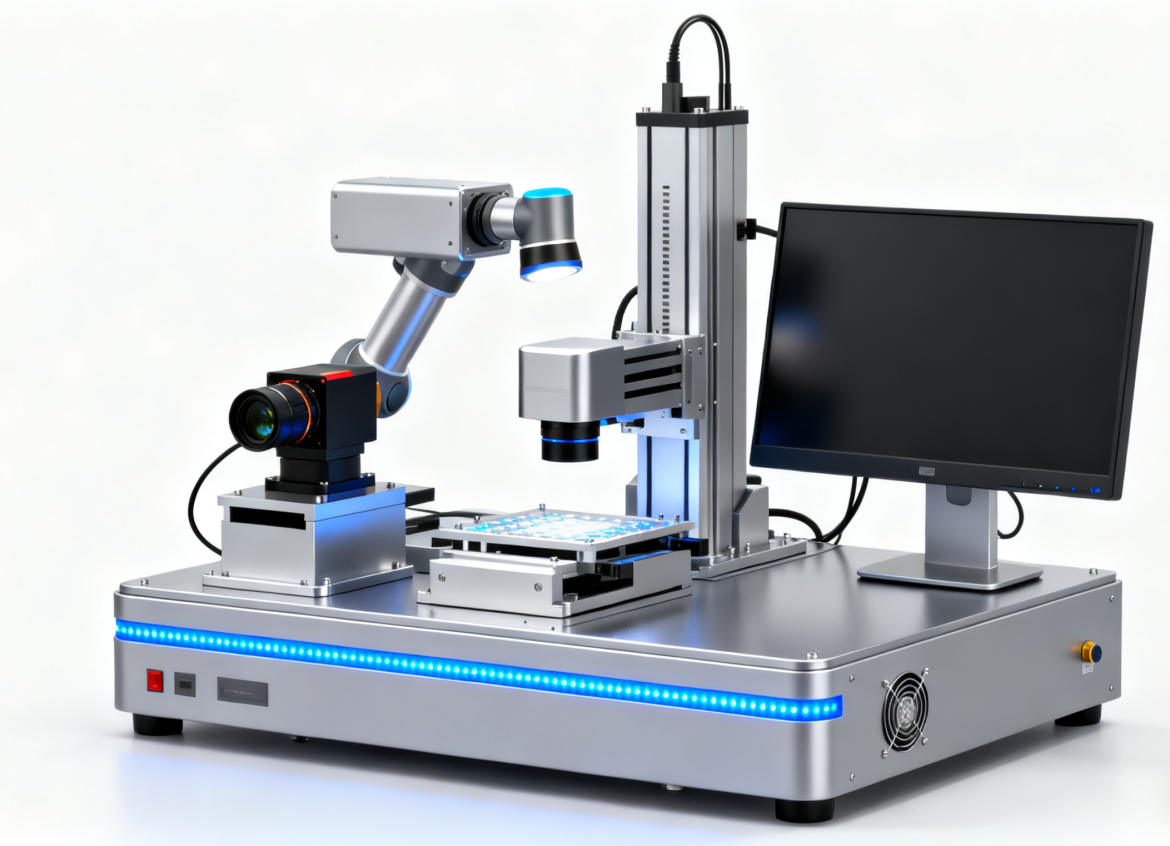
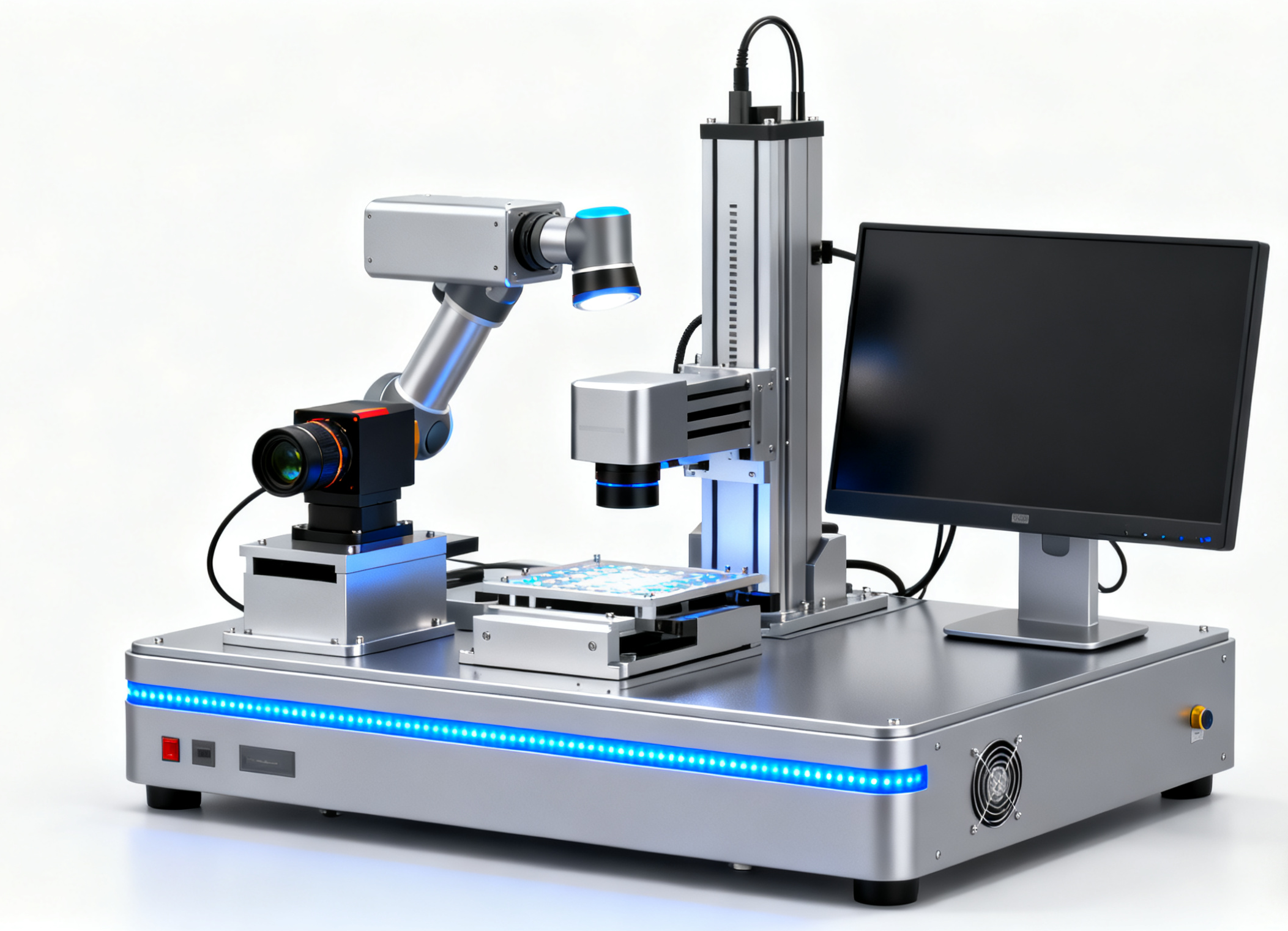
If you’re specifying a 60W MOPA fiber laser for production—whether for precision joining of battery tabs or seam welding thin stainless—you want guidance that’s grounded in real use, not just theory. This piece is built around the decisions makers actually face: achievable weld quality, cycle time, and supplier reliability. For many shop floors where laser welding is now routine—think assembly lines in Stuttgart or Detroit—the balance between nonlinear effects and dispersion control becomes the difference between rework and steady output.

What a 60W MOPA fiber laser is, simply put

A 60W MOPA is a Master Oscillator Power Amplifier architecture that gives you adjustable pulse modulation on a fiber laser platform. In user terms: you get fine control of pulse width and repetition rate while retaining good beam quality. That control helps reduce the heat-affected zone and lets you tune penetration for thin metals. Key industry terms to keep handy here are pulse modulation, beam quality, and peak power—each affects how energy is deposited into the weld.

Common non-linear and dispersion constraints you’ll face

At 60W average power, nonlinear phenomena like self-phase modulation (SPM) and spectral broadening can show up if the peak power or pulse shape isn’t managed. In practice, those effects shift the effective wavelength spread and can change focus behavior, which then alters the welding seam and fusion characteristics. Dispersion in the delivery fiber or optics can smear short pulses, so rise/fall times and pulse edges may look different at the workpiece than at the controller. These are not academic concerns—small drift in pulse timing or spectrum translates to inconsistent penetration on thin foils.

Practical levers for controlling dispersion and nonlinearities

There are a few user-level controls that reliably move the needle:

  • Pulse shaping: widen or taper pulse edges to reduce peak power spikes and SPM.
  • Repetition rate tuning: lower repetition can reduce cumulative heating and nonlinear buildup, though it may affect cycle time.
  • Fiber management: keep delivery fiber lengths reasonable and use approved collimation optics to limit dispersion-induced pulse broadening.

Each lever interacts—adjusting one often forces trade-offs in weld speed or bead appearance—so test with representative parts and record beam parameters and welding outcomes.

How constraints show up in production and what to watch for

On the shop floor, symptoms are straightforward: inconsistent penetration, variable bead width, or unexpected spatter. Sometimes the machine reports steady power but the welds vary—this points to pulse shape or dispersion issues rather than raw output. Monitor the heat-affected zone size, surface finish, and first-pass yield as your primary KPIs for laser process stability. If you have sensors on the head, log photodiode signals against weld quality to catch subtle spectral shifts early.

Choosing suppliers: questions that matter (and a practical anchor)

When evaluating vendors and laser system integrators, ask for: documented pulse stability, delivered beam quality (M2), and examples of application work in your industry. It helps to anchor those conversations to real use-cases—many automotive tier suppliers around Stuttgart and Michigan publish case notes about laser welding of battery modules and body components; referencing such cases makes requirements tangible. Also consult lists of trusted laser welding machine suppliers and ask prospective partners for site visits or process trials on your parts.

Common mistakes and how to avoid them

Teams often skip two steps: they accept nominal power numbers without pulse-profile data, and they underestimate fiber-routing impacts. Don’t assume “60W” is one thing—ask for the pulse envelope and spectral width at the workpiece. Also, pay attention to the delivery optics’ cleanliness; even minor contamination changes dispersion and focus. A practical habit: run a short validation matrix (pulse widths × repetition rates × travel speed) on scrap before finalizing parameters—this reduces surprises in production.

One small aside—you’ll also want a clear spare-parts plan for collimators and fiber connectors; downtime costs more than the parts themselves.

Three golden rules for selecting a laser and supplier

1) Demand measured pulse and beam data at the output—no claimed specs without supporting traces. 2) Insist on process trials with your real parts and your filling or fixturing setup; lab demos rarely replicate production fixturing. 3) Evaluate total process stability, not just power: look at first-pass yield, rework rates, and maintenance intervals when comparing vendors.

Advisory close: three evaluation metrics to prioritize

Metric 1 — Process repeatability: confirmed by repeat runs with statistical results (yield, penetration). Metric 2 — Delivered beam fidelity: M2 and pulse shape measurements at the workpiece. Metric 3 — Support readiness: spare parts lead time and documented field-service response times. Weight these by your business priorities—speed, part criticality, and cost exposure—and you’ll make a defensible selection.

In practice, these criteria point toward suppliers who pair proven fiber laser technology with a pragmatic service model—precisely the balance you need for consistent laser welding outcomes. JPT. —
June 16, 2026 0 comments
0 FacebookTwitterPinterestEmail
Market

The Future of Innovation: Insights from the China Robot Exhibition 2026

by Steven April 26, 2026
written by Steven

A Sneak Peek into Tomorrow’s Robotics

Imagine walking through a bustling expo, vibrant lights flickering off the polished surfaces of cutting-edge technology. As I navigated the aisles of the china robot exhibition 2026, I couldn’t help but ponder the excitement around robotics and automation. Did you know the market for robotics solutions is projected to reach over $500 billion by 2030? This boom isn’t merely a fantasy; it’s rapidly becoming a reality. The robotics & automation expo offers a glimpse into this exciting future, showcasing innovations that could redefine industries.

robotics & automation expo

What Are the Pain Points in Current Robotic Solutions?

Navigating through the exhibition, I encountered a strong narrative—many solutions are glitz and glamour on the surface, but they often overlook critical user frustrations. Imagine investing in a sophisticated robotic arm only to find it incompatible with existing systems (been there, done that). Many exhibitors flaunt their automation charm, yet countless users face issues ranging from integration challenges to lackluster customer support. Robotics shouldn’t feel like an uphill battle, but too often, it does. This exhibition highlights these hidden pain points, encouraging dialogue between creators and the industry.

So, What’s Next for Robotics?

As we look ahead, the potential of advancements showcased at china robot exhibition 2026 is both thrilling and daunting. With innovations ranging from AI-driven robotic assistants to precision agricultural drones, we must ask ourselves: How do we ensure these developments actually meet user needs? It’s crucial to analyze solutions that go beyond technical specifications. I firmly believe that as we adopt new technologies, user-centric design must be crucial. As we dive deeper into this transformative landscape, we need to prioritize seamless integration and robust support systems.

robotics & automation expo

Lessons from Innovation: What to Consider

Reflecting on the insights gained from the exhibition, I recommend focusing on three key evaluation metrics before committing to any robotic solution: compatibility, scalability, and support. Are the solutions designed to integrate smoothly with what you already have? Can they grow alongside your needs? And will you have the support to navigate unexpected hurdles? These elements can significantly elevate the success of your automation initiatives. After all, nobody wants a shiny new robot that sits idle in a corner—trust me; I’ve witnessed this too often.

As we move forward, let’s embrace the buzz of innovation while remaining critical of the spectacular promises often made. The robotics arena is ripe for exploration, yet we must filter through the flashy promises and engage genuinely with what matters. The adventure has just begun; let’s make the most of it! I leave you with this thought—what innovative solutions will we forge if we remain united in our quest for truth in technology? Together, we can drive towards a future that blends creativity with functionality. Your robotics journey starts today with nan, a brand that prioritizes innovation while understanding your unique needs.

April 26, 2026 0 comments
0 FacebookTwitterPinterestEmail
Tech

The Hidden Challenges of Custom CNC Milling Services: What You Need to Know

by Steven April 13, 2026
written by Steven

Every Project Tells a Story

I often find myself standing in front of a world of machinery, observing the dance of metal and design. Have you ever wondered how many manufacturing dreams falter due to overlooked details? Surveys show that sixty percent of businesses face production delays—often due to issues in the CNC milling process. The need for quality custom CNC milling services becomes painfully clear in these moments. The narrative of such challenges is not just numbers; it’s about real businesses and their dreams—a sentiment I truly resonate with.

custom cnc milling service​

Flaws in Traditional Solutions

Imagine investing time and money into a project, only to find that your CNC milling service isn’t delivering the precision promised. That’s a pitfall I witnessed when a fellow entrepreneur tried to cut costs on tooling. The result? Part misalignments and costly reworks. Why do brands often ignore the warnings of quality? My belief is that cutting corners leads to hidden pain points—poor tolerances and unexpected downtimes that derail schedules. This is where investing in top-tier custom CNC milling services pays off. Isn’t it a shame to compromise your vision for savings? I think not!

custom cnc milling service​

What Future Solutions Look Like

As I reflect on the industry evolution, it’s exciting to note that technology is taking us to new heights. Innovative CNC machines now come equipped with smart sensors, which can detect discrepancies before they escalate. I’ve seen real-world impacts—they reduce scrap rates significantly and subsequently lower costs. Imagine how much time and resources can be saved; it’s a game changer! When selecting custom CNC milling services, ask yourself: Do they leverage technology for quality assurance? This is vital for maintaining efficiency in production and advancing your business.

Bringing the Future Closer

It’s an intriguing question—how can we best position ourselves for the future? In my experience over the last fifteen years, I’ve learned that having a comprehensive evaluation metric can transform your milling strategy. Look for service providers who offer clear benchmarks—be it delivery timelines, precision rates, or material quality assurances. Ultimately, partnering with the right milling service is heavily influenced by these factors. Remember, quality doesn’t come cheap, but neither does variability and dysfunction. The trick is to find that sweet spot.

Lessons Learned and Moving Forward

Reflecting on my journey, I can’t stress enough the richness that comes from shared experiences in the CNC world. Each challenge teaches us to hone our strategies and remain adaptable. I’ve found that companies which adopt a proactive approach to custom CNC milling not only survive but thrive—therein lies the lesson. Don’t shy away from asking tough questions! Identifying the right partner for your milling needs will position you for success. Imagine the satisfaction of seeing your ideas come to life with precision.

So, what has been your biggest takeaway from milling experiences? I’d love to hear your stories, as I believe in the power of shared knowledge to transform our practices. Now would be a great time to connect with a trusted provider like Livepoint Tooling—because together, we can navigate the complexities of manufacturing and ensure your project’s success.

April 13, 2026 0 comments
0 FacebookTwitterPinterestEmail

Recent Posts

  • Why a 25-Point Intake Framework Is the Smartest Way to Optimise System Efficiency
  • How I Watched Fleet Managers Wrestle iot esim and Survive to Tell the Tale
  • Optimising Run-Time and Repairs: A Problem-Driven Guide to Electric Scooter FAQ
  • Shenzhen Art Gallery: A Seasoned Observer’s Strategic Brief
  • How to Craft Reliable DNA Sequences: TopDown DNA Synthesis Methods Unpacked

Recent Comments

No comments to show.

Keep in touch

Facebook Twitter Instagram Pinterest Youtube Bloglovin

Recent Posts

  • Why a 25-Point Intake Framework Is the Smartest Way to Optimise System Efficiency

    July 25, 2026
  • How I Watched Fleet Managers Wrestle iot esim and Survive to Tell the Tale

    July 25, 2026
  • Optimising Run-Time and Repairs: A Problem-Driven Guide to Electric Scooter FAQ

    July 22, 2026
  • Shenzhen Art Gallery: A Seasoned Observer’s Strategic Brief

    July 21, 2026
  • How to Craft Reliable DNA Sequences: TopDown DNA Synthesis Methods Unpacked

    July 21, 2026
  • Comparative Framework for Utility-Scale Battery Storage: A Structured Evaluation Protocol

    July 21, 2026

Categories

  • Business (96)
  • Fashion Stylist (20)
    • Clients (6)
    • Inspirations (7)
    • Magazines (7)
  • Featured (6)
  • Global Trade (148)
  • Industry (116)
  • Market (124)
  • Tech (107)
  • Facebook
  • Twitter
  • Instagram
  • Pinterest
  • Youtube
  • Bloglovin
  • Snapchat

@2021 - All Right Reserved. Designed and Developed by PenciDesign


Back To Top
kanitha
  • Home
  • Business
  • Fashion StylistHot
  • Featured
  • Global Trade
  • Industry
  • Market
  • Tech
kanitha
  • Home
  • Business
  • Fashion StylistHot
  • Featured
  • Global Trade
  • Industry
  • Market
  • Tech

Recent Posts

  • Why a 25-Point Intake Framework Is the Smartest Way to Optimise System Efficiency

    July 25, 2026
  • How I Watched Fleet Managers Wrestle iot esim and Survive to Tell the Tale

    July 25, 2026
  • Optimising Run-Time and Repairs: A Problem-Driven Guide to Electric Scooter FAQ

    July 22, 2026
  • Shenzhen Art Gallery: A Seasoned Observer’s Strategic Brief

    July 21, 2026
  • How to Craft Reliable DNA Sequences: TopDown DNA Synthesis Methods Unpacked

    July 21, 2026
@2021 - All Right Reserved. Designed and Developed by PenciDesign