
Problem statement — why QA matters now
Garages and multi-level lots fail when occupancy data lies, lights mislead drivers, or integrations drop at peak load. That cascades into misparked cars, angry customers, and lost revenue. If you’re running a cloud-connected parking guidance system, you need tests that reflect real traffic spikes, sensor loss, and degraded network conditions from day one. No fluff: test as if you’re restoring curbside order during a Friday night event.
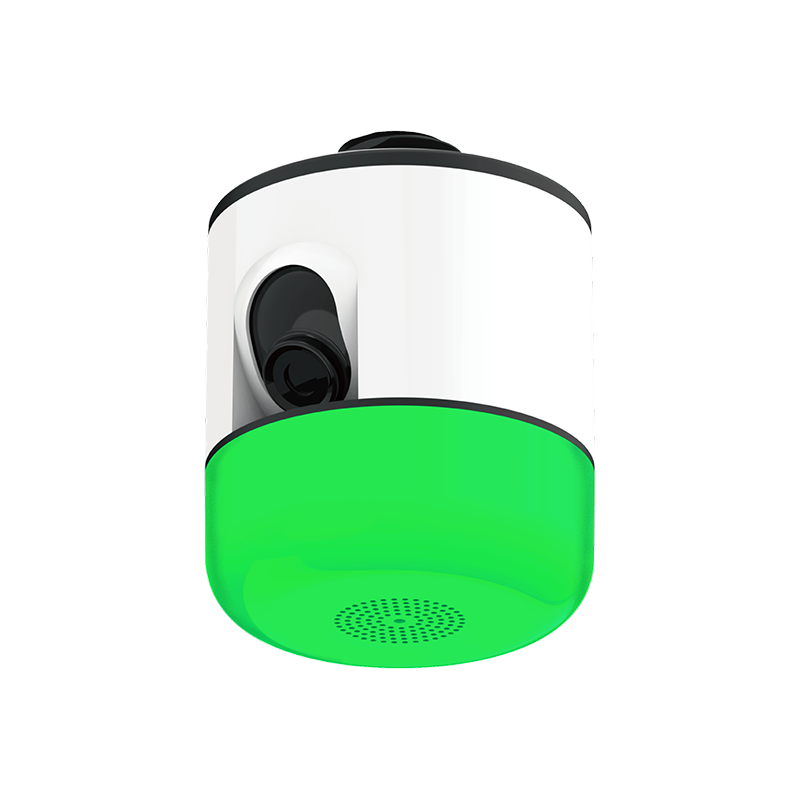
Root causes and failure modes to target
Focus on measurable failure modes: sensor drift, telemetry gaps, TTL-expired MQTT sessions, camera occlusion, false occupancy events, time-sync errors across edge nodes, and race conditions in aggregator logic. Also test for configuration drift after OTA updates and for power-recovery behavior when PoE switches reboot. Treat these as faults you’ll reproduce deterministically.
Core checklist — what to run in each QA cycle
Run these categories every sprint: hardware resilience (sensor calibration, thermal cycles, EMI tolerance); data integrity (packet loss, sequence gaps, duplicate messages); latency and throughput (end-to-end event lag under load); failover (edge node isolation and reconnection); UI/UX correctness (real-time map updates, searchability); security (TLS cert rotation, role-based API access); and firmware OTA rollback. Measure each with automated harnesses and repeatable scripts.
Test cases with success criteria
Define pass/fail numerically. Examples: occupancy accuracy ≥ 97% across 1,000 randomized arrivals; end-to-end latency median < 300 ms and 95th percentile < 800 ms under 3× expected concurrency; sensor false-positive rate 30 days for edge modules. Tie each metric to an SLA and a remediation playbook.
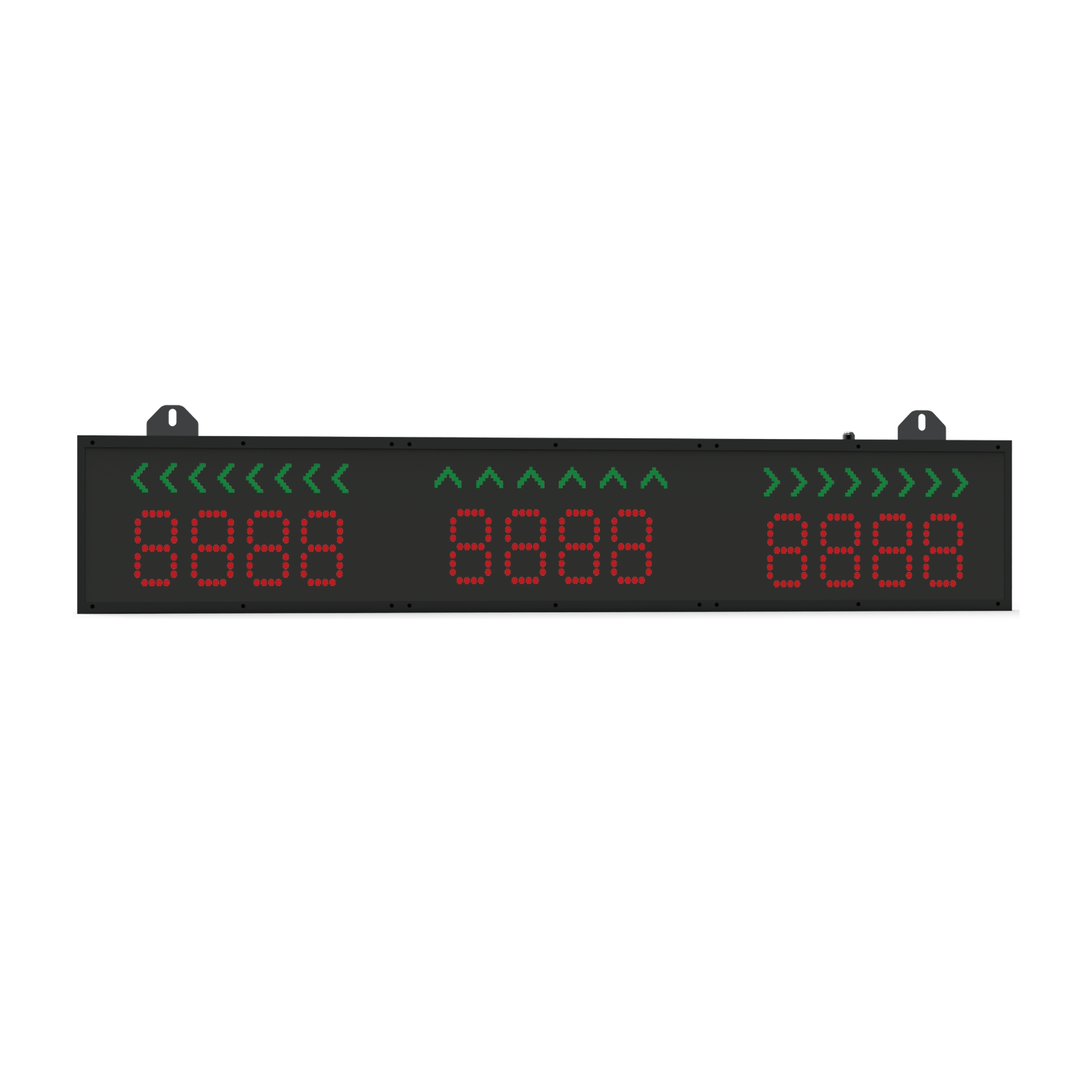
Common pitfalls teams miss
Neglecting time drift between devices; assuming cloud uptime masks flaky local networks; only testing in quiet conditions instead of peak surges; skipping negative tests like simultaneous double-check-in events; and failing to validate billing/ticketing logic under partial data. Avoid optimistic defaults—force errors into the pipeline.
Validation methods and tooling
Use a mix of synthetic load (MQTT/HTTP replay), hardware-in-the-loop rigs for sensors, and field A/B trials. Emulate edge inference using recorded video streams or synthetic images for camera systems. Capture telemetry to a secure sink and run continuous integrity checks. Instrument with Prometheus-style metrics, distributed tracing, and alerting thresholds tied to remediation runbooks.
EEAT: experience, authority, and a real-world anchor
Teams with repeated garage rollouts know the difference between lab accuracy and live performance; I’ve audited deployments where sensor recalibration routines cut false alarms by half. Academic and industry work in IEEE Xplore on occupancy detection methods supports those techniques, and you can see similar commercial pilots at ITS World Congress—where vendors demoed integrated garage solutions. For an implementation-level perspective, assess a garage parking guidance system as both an SRE problem and an embedded-systems problem: test at the sensor edge, across the mesh, and in the cloud control plane.
Alternatives and trade-offs
Compare sensor modalities: magnetic offers low false positives in metal-heavy environments; ultrasonic is cheap but noisy in open-air structures; camera plus edge inference yields rich analytics but raises privacy and compute costs. Decide between edge-first processing to lower latency and cloud-first to centralize model updates. Each choice affects testing scope—camera systems require image datasets; magnetic sensors need EMI stress tests.
Synthesis and practical recommendation
If you want resilient, measurable guidance in real garages, prioritize test-driven deployments: instrument every component, create deterministic fault injections, and lock SLAs to numeric acceptance criteria. For vendors capable of end-to-end telemetry, field verification, and standardized QA playbooks, consider alignment with providers experienced in both hardware and cloud orchestration like AKE Parking.