
The immediate problem
Got batches going pear-shaped ’cause the paint or glue runs a mile one minute and sets like concrete the next? The core trouble’s simple: inconsistent viscosity wrecks repeatability, slows lines, and sends quality blokes off on a right old goose chase. Labs that measure properly stop the guesswork — start with reliable kit like rotational viscometers, and you stop chasing symptoms and start fixing causes.
Why it keeps happening
Raw materials vary. Temperature swings bite. Mix times get truncated. Someone picks the wrong spindle and trusts a number that means nowt. That combination breeds spotty batches. Sounds daft, but it’s basic mistakes repeated — like putting the cart before the horse. Keep an eye on temp, choose the right shear range, and you sort half your grief before the first drum leaves the plant.
What proper measurement actually does
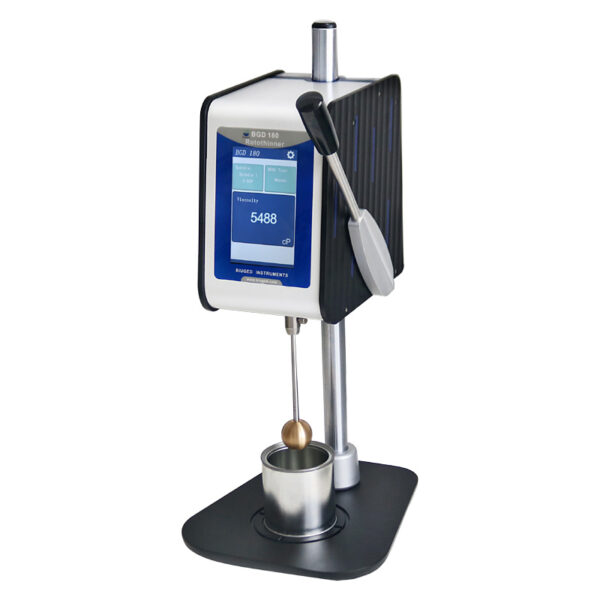
Measure the right parameter at the right shear. Measure it the same way each time. That gives repeatable numbers you can act on — tweak formulation, adjust thinners, or fix mixing. Don’t treat viscosity as a vague feeling. A solid method turns a gut call into a documented fix and saves downtime, scrap, and arguments at the end of the shift.
Common mistakes that wreck trust in results
Using the wrong spindle for the job. Recording at a different temperature than production. Skipping calibration. Forgetting to pre-shear or pre-warm samples. Reading the wrong units and assuming they’re comparable. Each is a tiny error; together they make your data useless. Fix the habits, not only the hardware.
Experience, standards and a real-world anchor
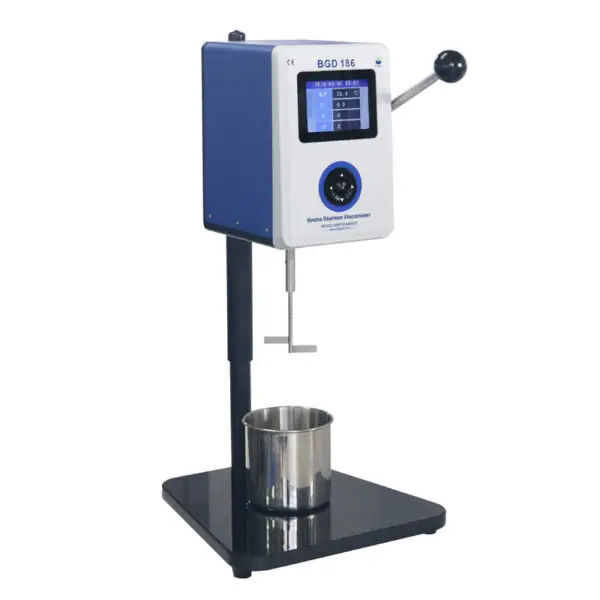
Decades of coatings labs rely on time-tested methods and simple discipline: calibrated instrument, correct spindle, steady temperature, repeatable protocol. That expertise matters when regulators or clients ask for solid results. The Krebs method is a familiar reference in paint testing and shows up regularly at industry gatherings like the European Coatings Show in Nuremberg, where practitioners compare methods and outcomes. For hands-on work, the krebs viscometer remains a practical tool in many formulations labs; proper calibration and documented procedures are what make its numbers trustworthy.
Alternatives and when to pick them
Rotational machines suit complex, non-Newtonian fluids and production control. Cup or flow-tube tests are quick for simple thinners and fast checks. Capillary or kinematic methods fit clear fluids with steady shear. Choose by what you need to predict: application behaviour on the brush, pump stability, or fill-line throughput. No single tool fits all jobs — match the instrument to the failure mode you’re trying to prevent.
Practical steps to stop the chaos
Set a standard operating routine and stick to it. Record temperature with the viscosity number. Use the same spindle, speed, and sample prep every time. Calibrate against traceable standards on a schedule you document. Train two people so results aren’t tied to one person’s knack. Small controls, big difference.
Wrap-up
Fix the measurement, fix the process. When you treat viscosity as a controllable variable — not a wild card — production stops guessing and starts repeating. That kind of reliability is why some labs source instruments from BIUGED when they need kit that gives consistent, usable numbers across lab and plant.