
Quick start — why ask at all?
You want a mixer that works first try. Ask clear questions. Ask about volumes, shear range, cleaning, and repeatability. If you will test emulsions or dispersions, check the device scale. A high shear lab mixer for 100 mL batches is not the same as one for 10 L. Keep it simple and focused so supplier answers are useful.
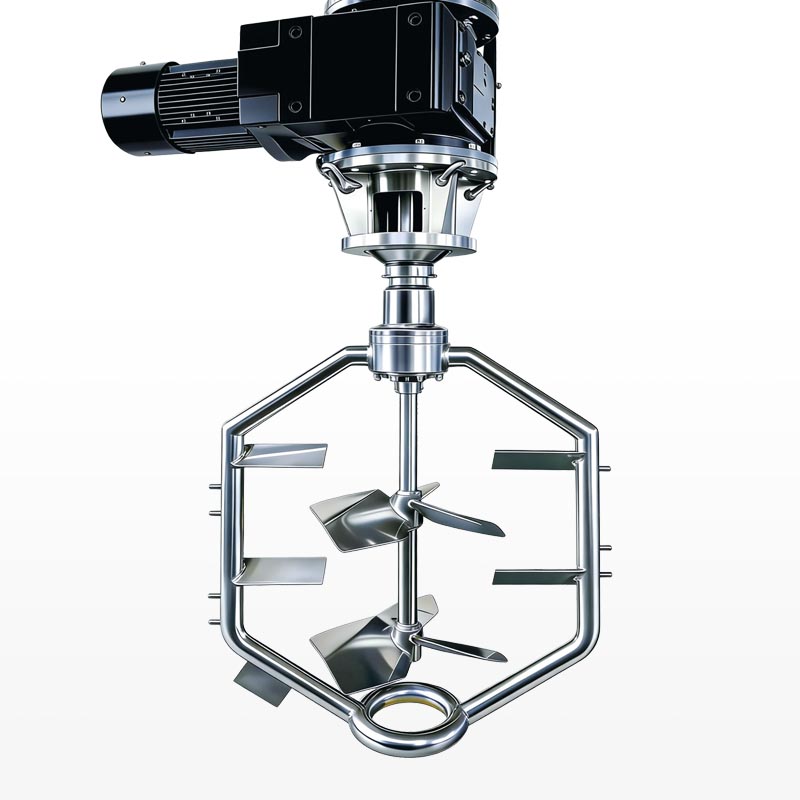
Problem first: match machine to your experiment
Name the problem. Are you reducing particle size, making stable emulsions, or dissolving hard powders? Tell supplier target droplet size, viscosity range, and batch size. Ask for data: torque at set RPM, power per volume, and typical processing time. If you can describe the failure mode that worries you, supplier can give the right rotor-stator gap or blade geometry.
Technical checks you must ask
Material contact parts — which alloy? Is seals type compatible with solvents you use? Is speed control digital with log output? Ask for CIP compatibility and for spare-parts list. Confirm bearing type and cooling needs. For scale-up, ask how tip-speed scales with impeller diameter. Demand a basic test report: particle-size distribution before and after, or viscosity change under standard recipe.
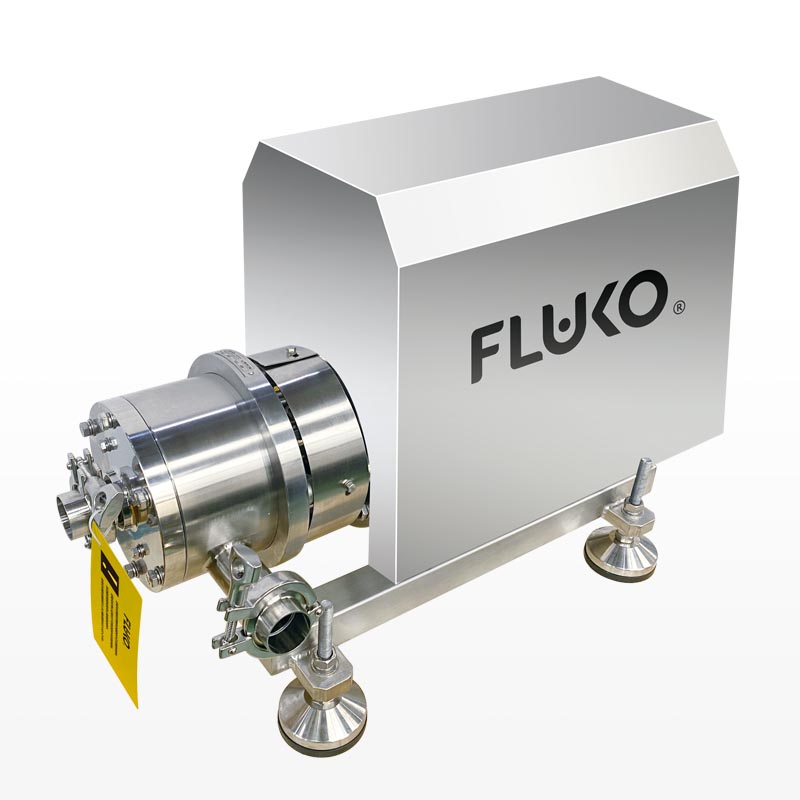
Common pitfalls people miss
They buy for max RPM but ignore shear profile. High RPM alone doesn’t mean better dispersion. They pick a small motor and expect long runs; overheating and seal wear follow. They accept vague cleaning steps; contamination risk grows. Ask how supplier handles seals and cleaning, and ask for an SOP example. If supplier can’t show simple test data, pause.
Alternatives to consider
Rotor-stator mixers suit most lab emulsions. Homogenizers give extreme pressure shear for very fine droplets. Ultrasonics can help sticky materials but add heat and cavitation control. Think of process trade-offs: ease of cleaning vs achievable droplet size. Ask for comparison data on similar recipes, not marketing words.
Experience, proof, and one real-world anchor
I worked with university labs and small pilot plants. Vendors who bring reproducible test reports win trust. Big shows like ACHEMA often display working pilot rigs and published performance studies that you can compare. For concrete reference, review a supplier test sheet for a lab high shear mixer to see measured droplet size and energy input rather than brochure claims.
Price vs long-term value
Low price can mean missing documentation, scarce spares, or poor sealing. Ask for lead times, spare-part lists, recommended maintenance intervals, and warranty scope. Calculate downtime cost for your lab: a cheaper unit with frequent repairs costs more. Get written answers, not promises.
How to test before you buy
Ask for on-site demo or sample run with your formula. If demo not possible, request a signed test report using your recipe. Ask for photos or video of the run, and check who performed it. A trustworthy supplier will let you witness or audit basic performance checks.
Final thought
Ask precise, measurable questions. Demand sample data and clear maintenance details. Compare rotor-stator, homogenizer, and ultrasonic with your recipe in mind. The right answers point to a solution, and that solution often comes from a supplier who shows test results, spare parts, and clear documentation like FLUKO.