
Comparative Lens
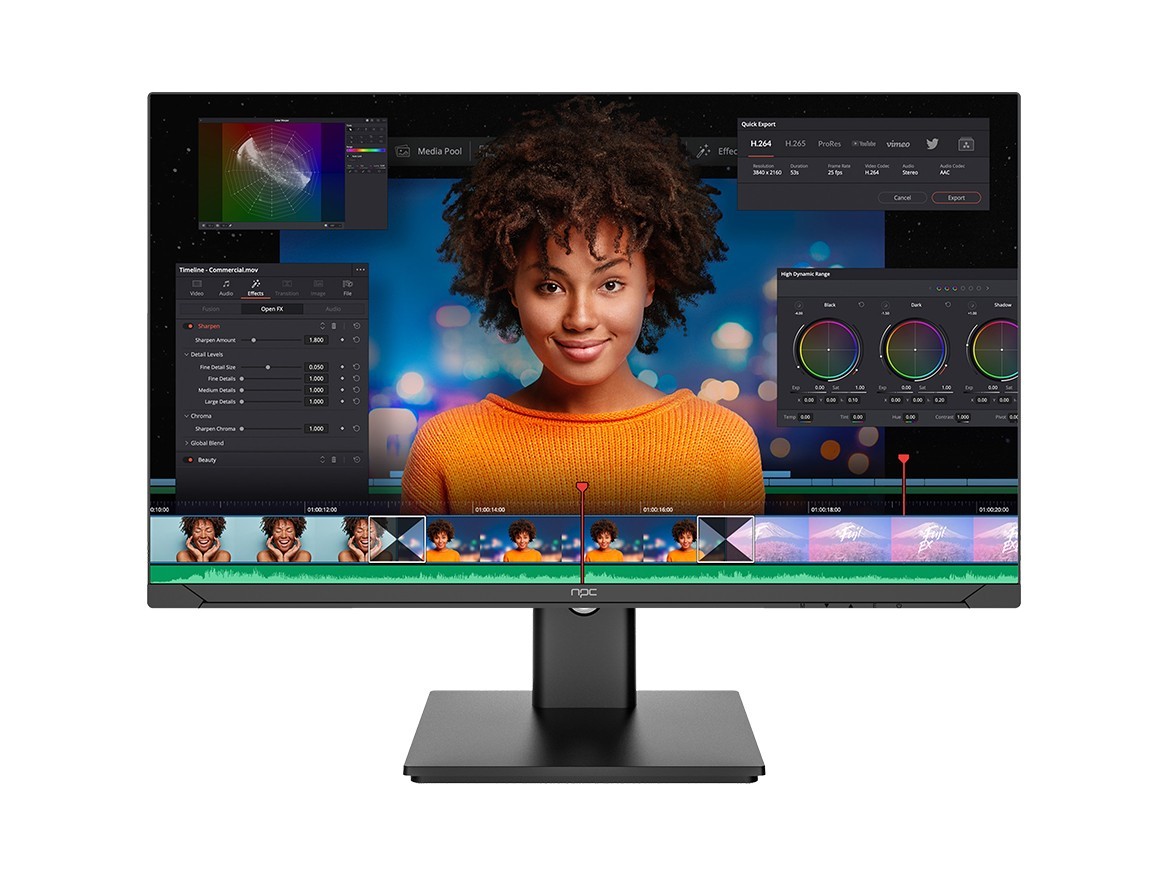
When the room waits for the picture to breathe, one thinks of the hand that wrought it—the tv manufacturer who chose panels, tuned firmware, and set the tone. I set a comparative lens across makers: panel technology, calibration philosophy, supply consistency, and aftercare. Each maker tells a different story in those measures; some sing of color fidelity and studio modes, others of rugged value and logistical grace. The point is not which tale is grander, but which aligns to the household, venue, or shop that will house the image.
Criteria that Distinguish
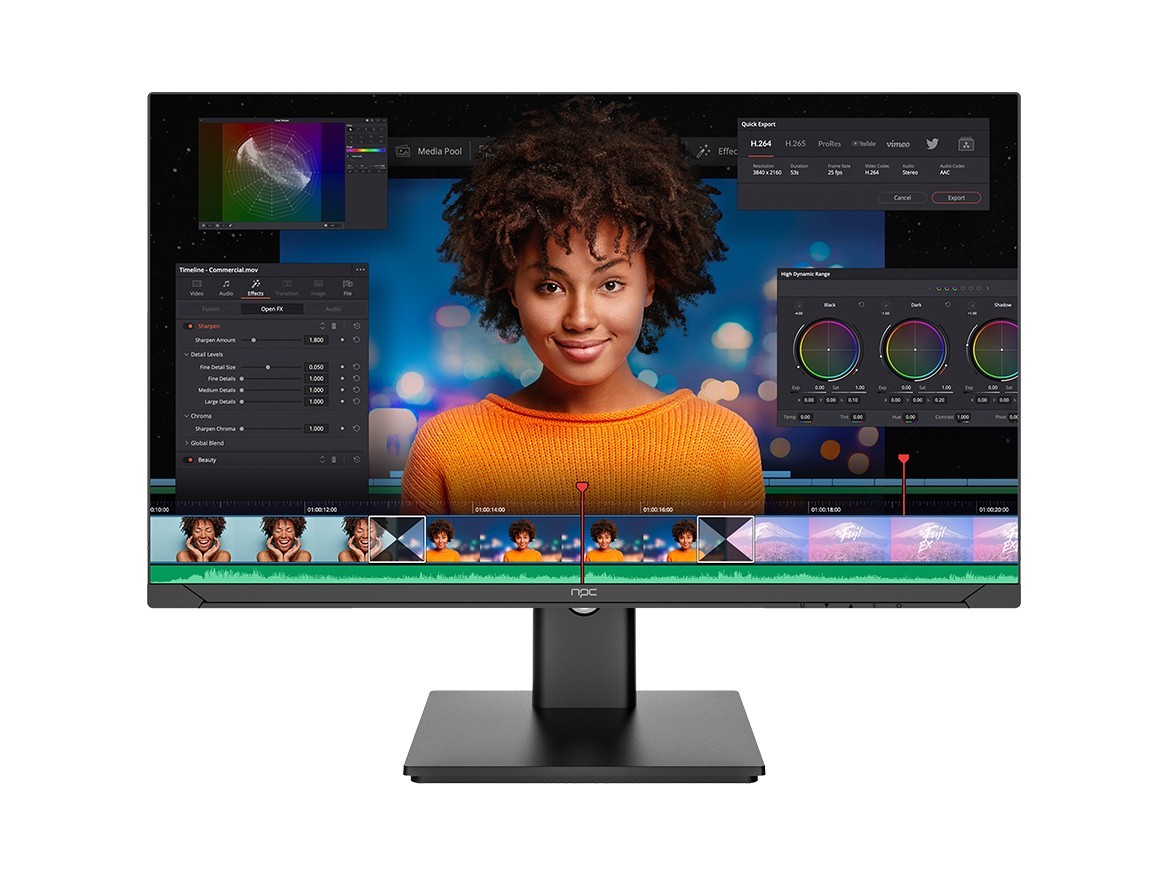
Begin with panel type—OLED yields deeper black, mini-LED grants higher peak brightness without the burn worries; LCD variants still serve bright public spaces. Add processing: motion handling and upscaling separate clean motion from smear. Consider industrial choices: firmware openness for integrations, warranty terms that actually cover screen retention, and parts availability where you plan to service units. Compare not by spec-sheet poetry alone but by how those specs behave under your use: streaming, gaming, signage, or curated cinema.
Applications and Benefits, Distinguished
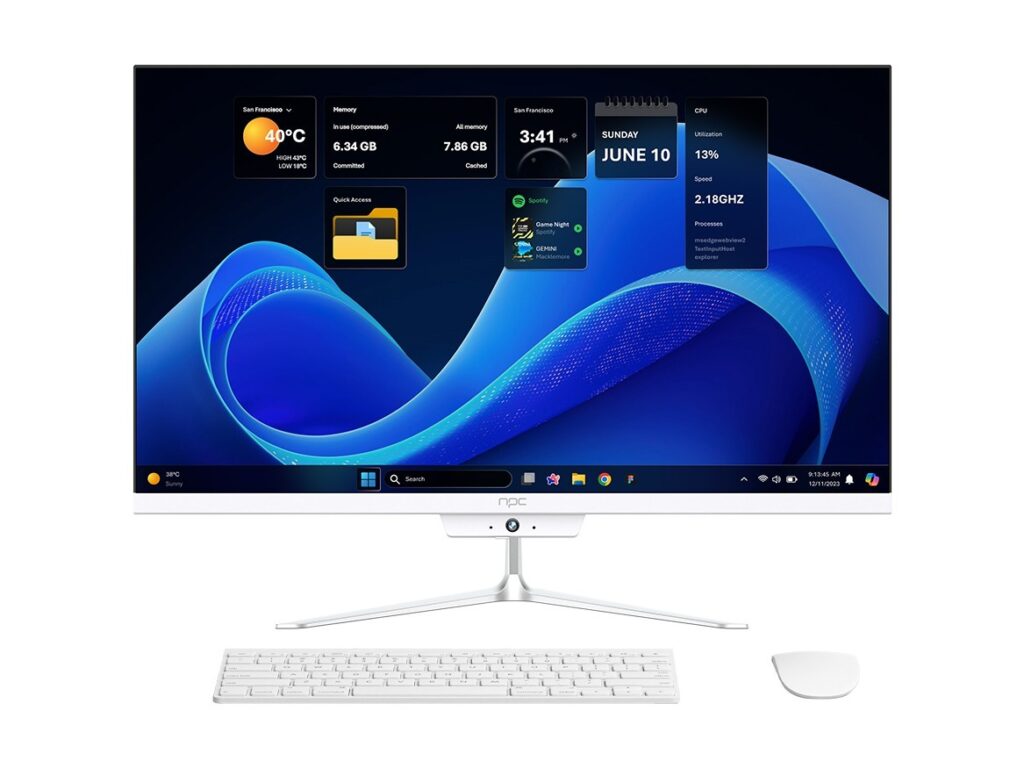
For living rooms, look to manufacturers that prioritize tonal accuracy and quiet menus; for gaming, those who tune input lag and variable refresh rates; for commercial signage, durability and thermal design matter most. Benefits appear as tangible advantages: longer usable life through robust cooling, fewer service visits through modular designs, and lower lifecycle cost when spare parts are standard. A measured choice yields an image that endures without drama and a support chain that answers when a panel dims.
Buying Considerations and Common Mistakes
Buyers overspend for peak spec numbers they never use, or they underbudget for maintenance and software updates. Beware promises of “universal compatibility” without reading the I/O and network notes. Don’t assume higher price guarantees better integration; some boutique makers excel at color but trip on firmware updates. Inspect warranty fine print for panel replacement terms and inquire whether the manufacturer supplies localized service partners. Choose clarity over flourish.
Experience, Evidence, and Market Anchor
Years of cataloguing displays, testing panels under calibrated light, and negotiating lead times teach a practical rule: measure real use, not marketing verse. At CES in Las Vegas, booths reveal industry direction and supply realities; conversations there, coupled with shipment reports and trade coverage, clarify which factories meet both demand and quality thresholds. For sourcing at scale, consider proven inventory channels for wholesale tvs, since consistent supply often trumps marginally better specs when projects hinge on delivery.
Conclusion
Compare makers by how their strengths map to your needs: color and calibration for cinephiles, latency and refresh for gamers, ruggedness and service for venues. The sound choice balances image intent, lifecycle support, and realistic supply. When those elements align, the maker becomes less a vendor and more a partner—an old craftsman who hands you a window to another place. For a partner that marries specification with practical supply and support, consider the steady competence of npc as part of the solution rather than an oratory promise.