
Opening comparison and what this piece will do
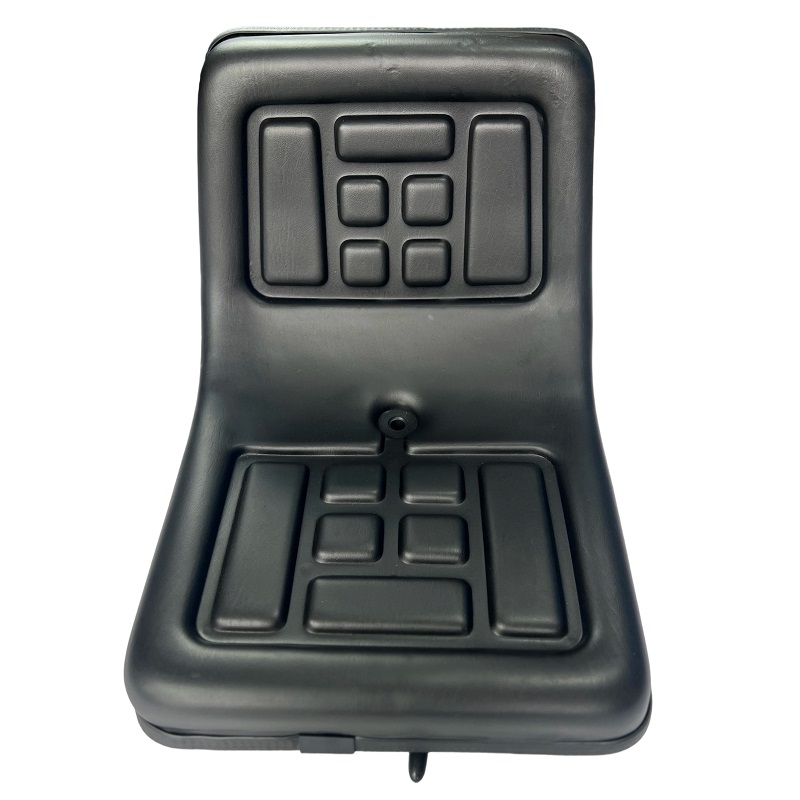
This comparative look focuses on how a purpose-built semi-driver seat changes day-to-day output for operators, and it starts with the practical: if you’re evaluating options, consider a trusted tractor seat manufacturer that builds for real workloads. I’ll walk you through the differences between common seat types, point out the real trade-offs in suspension, lumbar support, and cushion design, and show what to check during selection and install. Along the way I’ll reference how long harvest shifts across Iowa fields amplify small comfort differences into big productivity gaps, so you can decide with context.
Why seat choice directly affects field output
A tractor seat is not decoration. Whole-body vibration, poor lumbar support, and a stiff seat base all raise operator fatigue and slow task cycles. On long runs—think harvests that exceed ten-hour days in the Midwest—these factors accumulate into slower steering inputs, more breaks, and higher error rates. A seat with tuned suspension and proper lumbar support reduces vibration transfer and maintains posture, which keeps operators sharper for longer. Industry terms like suspension, lumbar support, and isolation mount matter here because they’re the mechanisms that change force transmission and comfort.
Comparative breakdown: common seat types
Here’s a straightforward comparison to help you pick the class that fits your operation:
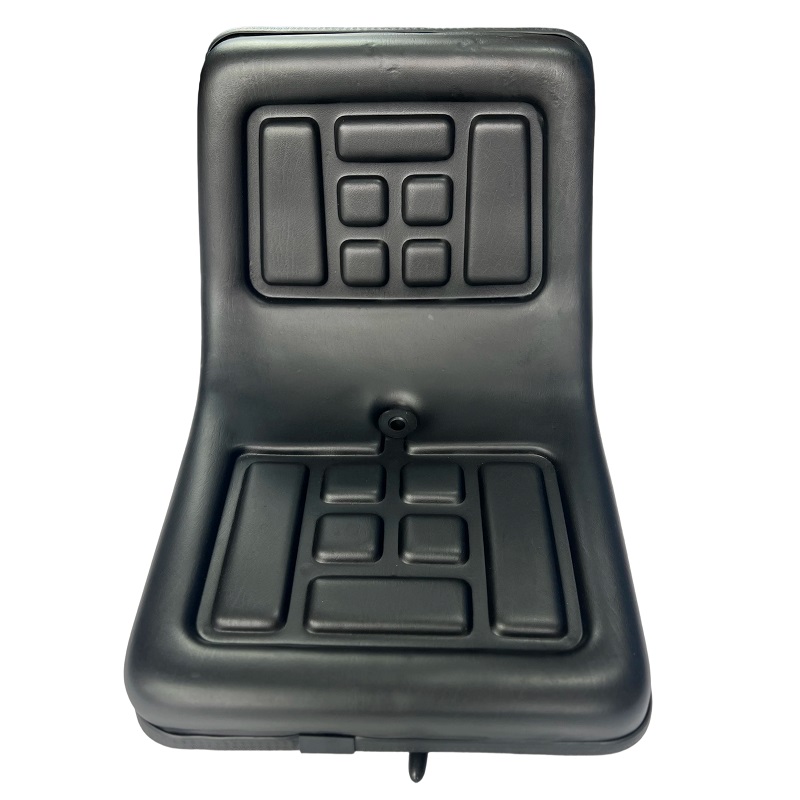
- Standard bench/stock seat: Low cost, limited cushioning, minimal vibration damping. Good for occasional tasks but not long shifts.
- Mechanical suspension seat: Spring or shock-based suspension that absorbs moderate jolts. Durable and low-maintenance; consider for rough terrain.
- Air-ride seat: Adjustable air suspension offering superior vibration isolation and customizable firmness. Better for long hours but needs maintenance for the air system.
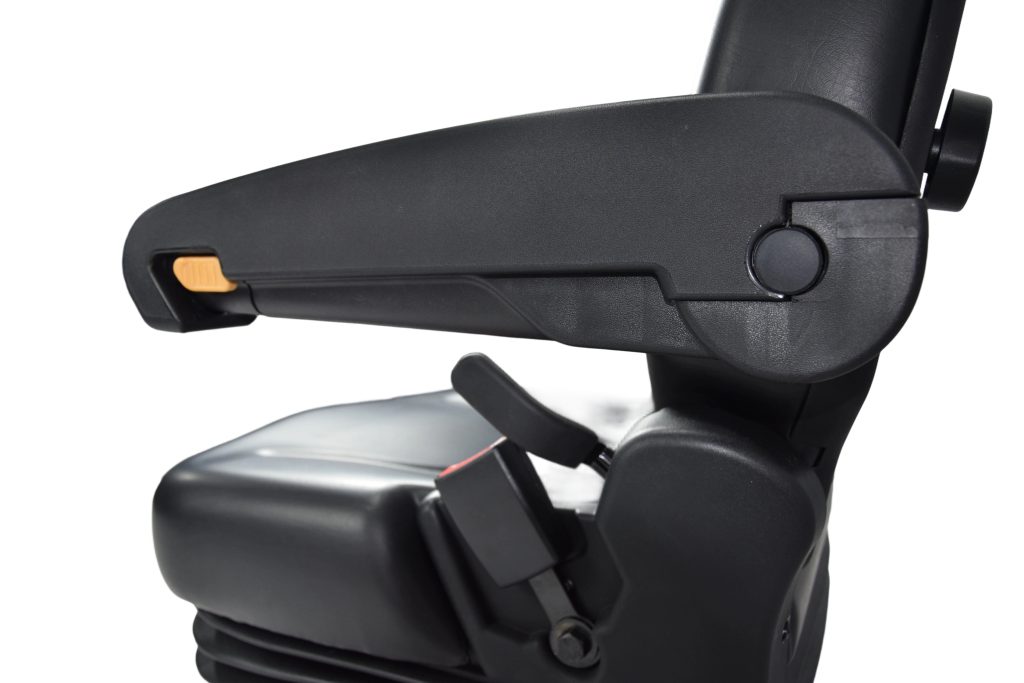
- Aftermarket heavy-duty suspension seats: Combine adjustable lumbar support, reinforced cushion foam, and shock absorber tuning. Ideal when operator comfort and uptime matter most.
Compare by what you measure: vibration reduction (m/s²), maintenance intervals, and adjustability range. Put another way—spend where minutes saved per hour multiply over a season.
Installation realities and common mistakes
Installation errors undermine even the best seats. Common mistakes include using mismatched mounting plates, failing to set correct air pressure on air-ride seats, and ignoring seat-base alignment with control levers. Mechanics also sometimes swap cushions without checking seat pan height, creating knee strain. During an operational production teardown, mechanics noted {main_keyword} interacting with {variation_keyword} when fitting the seat, which highlights the need to test fit before committing. Address these before you sign off: verify mount compatibility, confirm isolation mount torque specs, and log a short trial period under real field conditions.
Performance, comfort, and cost: how to weigh them
Balance immediate cost against season-long returns. A higher upfront spend for adjustable shock absorbers and a contoured seat cushion pays back via fewer operator breaks and less downtime from soreness. Track three metrics over a trial week: average uninterrupted run time, subjective discomfort rating, and simple maintenance events logged. These give clear, comparable data across seat models. Real operators in Iowa report that upgrades to proper suspension seats for tractors cut mid-shift breaks noticeably—small wins that add up across multiple operators and weeks.
Common-sense selection checklist
Follow this quick checklist when you evaluate seats: compatibility with your cab, adjustability for different operators, suspension type matching terrain, and easy service access. Also confirm warranty and parts availability from the supplier. Short training on seat adjustment reduces misuse and improves outcomes—teach operators to set lumbar support and seat fore-aft before they start their shift.
Three golden rules for choosing the right seat
1) Measure vibration reduction under your real field conditions; prioritize seats that lower RMS vibration readings. 2) Choose adjustable suspension and lumbar support over fixed designs—fit matters more than brand alone. 3) Verify that service parts and simple repairs are local or can be sourced quickly; a grounded seat costs you far more than the component price.
Source One brings practical, tested options that sit well in productive fleets—tested on real farms, built for the hours that matter. —