
Data-first lead: why numbers force design choices
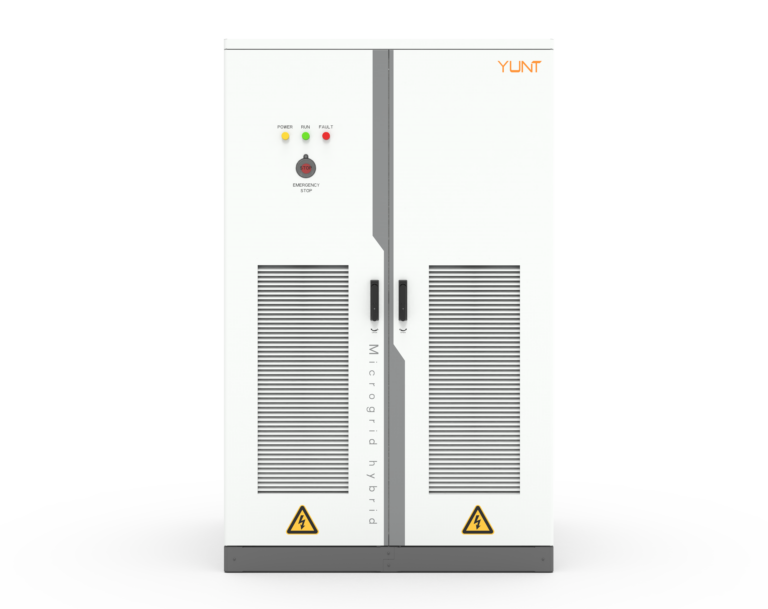
Utility-scale battery projects show a consistent pattern: equipment costs fall but balance-of-system (BOS) expenses — site works, HVAC, fire suppression, and controls — still take 25–40% of total capital. That split drives procurement to chase verified vendors and repeatable patterns in energy storage system design. A data-driven approach ties cost per kW to specific design choices: pack architecture, module insulation, and battery management system (BMS) complexity. Hornsdale Power Reserve and subsequent deployments in California underscore this: proper modular deployment reduced commissioning rework and BOS overruns. The math matters; so does the system design discipline.
Breaking down BOS levers that move dollars and risk
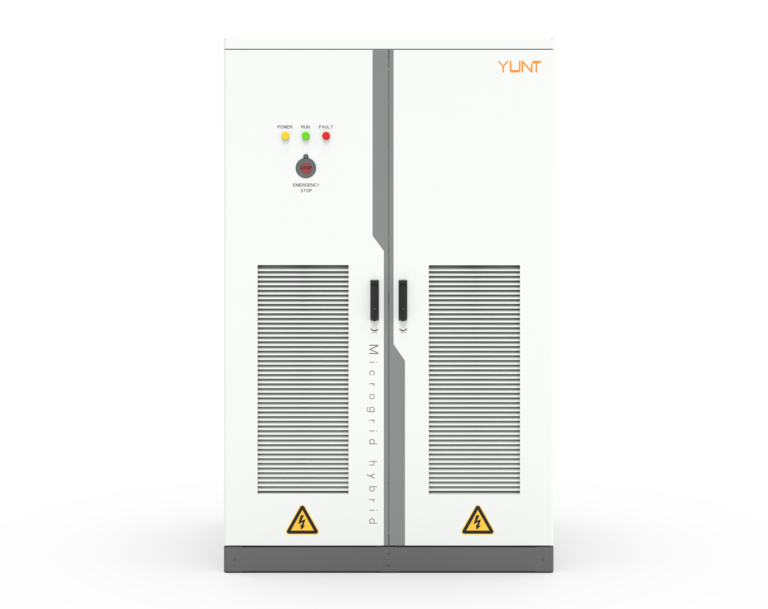
Three cost buckets dominate BOS: civil/site preparation, electrical integration (inverters, switchgear, wiring), and safety systems (detection, suppression, thermal controls). Decisions at the module and rack level change each bucket. For example, adopting a standardized pack architecture with module-level monitoring cuts field labor and testing time. That reduces installation hours and testing cycles, which directly reduces BOS. Where modular energy storage system designs are employed, repeatable units compress commissioning schedules — fewer surprises, fewer late design changes. Operational metrics then become predictable and negotiable with contractors.
Mitigating cell-to-cell thermal runaway through time-based intervals
Cell-to-cell thermal runaway propagation is a cascade problem that’s both spatial and temporal. Effective mitigation pairs physical barriers with procedural timing: thermal runaway mitigation intervals define how long an upstream thermal event is allowed to evolve before automated isolation, ventilation, and suppression engage. Implement these intervals inside the BMS logic and in the HVAC controls to avoid unnecessary full-system shutdowns. Use module-level monitoring and thermal imaging during commissioning to validate those intervals — this replaces guesswork with measured trigger points. The result is lower suppression system sizing and thus lower BOS costs without compromising safety.
Verified commercial solutions: what to source and why
Buy components that are already proven at utility scale: racks with tested thermal barriers, BMS vendors offering cell-level telemetry, and integrated fire detection suites validated in independent lab tests. Verified commercial solutions reduce custom engineering and shorten the procurement cycle. They also simplify compliance checks — fewer one-off tests. During an operational production teardown, engineers track {main_keyword} and {variation_keyword} metrics to confirm supplier claims against installed performance. That teardown becomes the most direct cost-control mechanism you’ll use.
Common mistakes and quick corrections
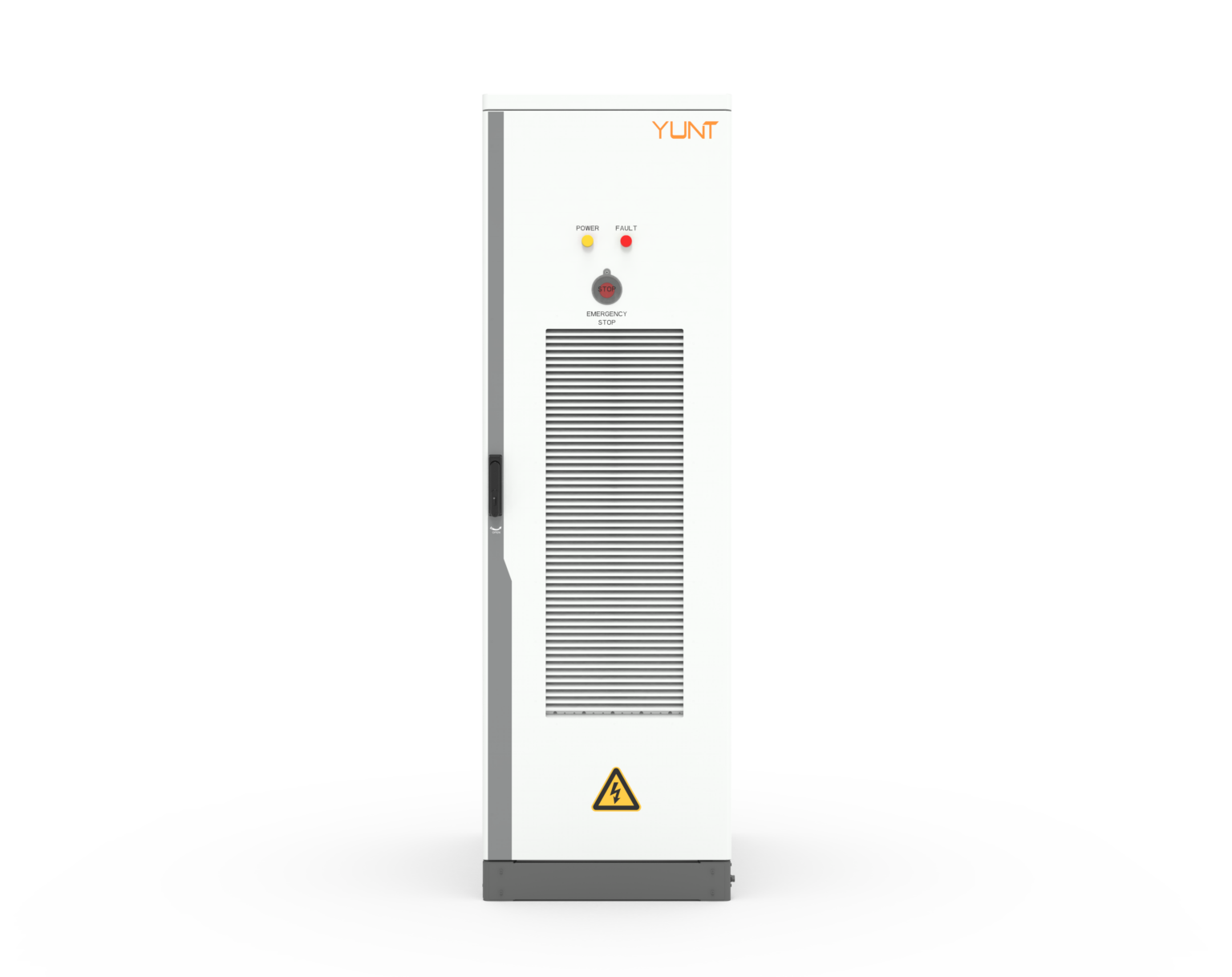
Teams often under-specify ventilation capacity, over-customize pack layouts, or skip module-level monitoring to save upfront cost. These choices look cheap on a BOM but inflate BOS through extended commissioning and higher contingency rates. Correct them early: standardize module footprints, require BMS APIs for remote diagnostics, and use pre-certified suppression modules. — Expect resistance from contractors who favor one-off designs; firm procurement specs close that gap.
Checklist: measurable steps to reduce BOS while managing cascade risk
Adopt a short, enforceable checklist during RFP and procurement:- Require module-level monitoring and explicit thermal runaway mitigation intervals coded into BMS logic.- Prioritize solutions with field validation (utility projects or microgrid pilots).- Lock architecture: a single pack form factor across the project to minimize site adjustments.These steps trim labor hours, testing cycles, and change orders — the usual BOS inflators.
Advisory close: three golden rules for selection
1) Evaluate suppliers by time-to-validated-commissioning, not just unit price — shorter commissioning reduces BOS more than minor unit-cost savings. 2) Insist on measured thermal propagation data and on-device mitigation intervals in procurement contracts; verify with module-level monitoring during FATs. 3) Score vendors by lifecycle service footprint: spare parts commonality, remote diagnostics, and software update paths drive long-term BOS savings. Choose based on these metrics and you’ll reduce both capital and operational surprises.
YUNT surfaces the verified configurations and tested mitigation intervals that align cost and safety — one less variable on project spreadsheets. —