

Listen, mi keep it plain: logistics fleet management and transport fleet management sound like same ting, but dem different in purpose and practice, an’ you need clear terms to stop confusion when you work on school bus fleet management. This piece use side-by-side comparisons so you can spot where roles overlap, where they don’t, an’ how choices about tech and metrics change the game for schools and operators.

Core definitions — what we mean by each
Logistics fleet management: focus on moving goods, supplies, or time-sensitive payloads. Think routing for capacity, load planning, and supply-chain cadence.
Transport fleet management: focus on moving people. Safety, schedules, rider experience, and regulatory compliance drive decisions.
Where the terms meet and where dem split
They meet when the mechanics are same: vehicles, drivers, fuel, maintenance, telematics. They split on objectives:
- Logistics cares about asset utilization, warehouse sync, and on-time delivery percentages.
- Transport cares about passenger safety, pick-up/drop-off cadence, and stakeholder communications (parents, schools, authorities).
For school operations, that split matters: routing efficiency still matters, but a late bus has bigger social consequences than a late parcel.
Roles and responsibilities — who does what
On logistics teams you find planners, load coordinators, and analysts. On transport teams you find dispatchers, safety officers, and family liaisons. Overlap tasks include maintenance scheduling and fuel management. Clear naming stops duplication: call the person who handles passenger manifests a “Transport Coordinator,” not a “Logistics Scheduler.”
Key metrics compared
Use plain numbers that tell you actionable things:
- Logistics: payload per trip, load factor, turn time.
- Transport: on-time pick-up rate, trip completion with no safety incidents, average student ride time.
- Shared metrics: vehicle downtime, fuel cost per mile, maintenance mean time between failures (MTBF).
Technology and tracking — choices that change outcomes
GPS and telematics work for both, but you configure features differently. Logistics systems favor cargo sensors and route optimization engines. Transport systems add geofencing for stops, real-time rider alerts, and chain-of-custody for students.
When you compare offerings, check that the vendor supports stop-level alerts, driver checklists, and audit trails. School operators often pilot solutions; speakers at the National School Transportation Association (NSTA) annual conference regularly highlight how these features cut confusion during peak morning runs.
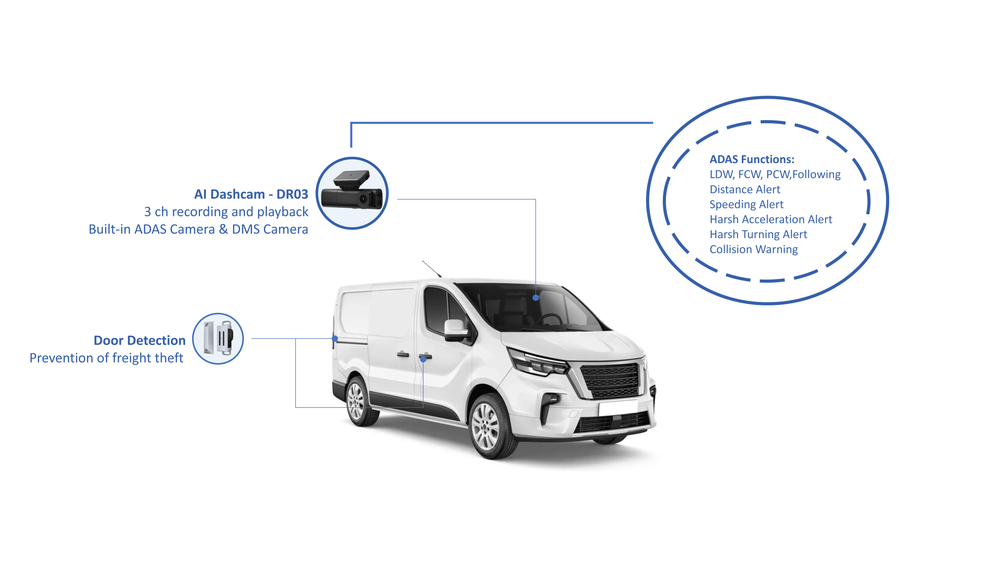
For districts evaluating options, try a live route test and compare how each platform handles a missed stop. Practical testing beats slide decks. If you want a tool that ties safety alerts and live vehicle location into one view, consider examples of school bus tracker software that report both location and stop confirmations.
Common pitfalls and mistakes
People mess up when they assume one label fits all. Avoid these traps:
- Buying a logistics-optimized system for student transport because it’s cheaper. Missing passenger-safety flows costs more later.
- Ignoring driver workflow. If the software adds steps, drivers will skip it; choose tools that match real-world routines.
- Tracking only location without validating stops. A bus can be “on route” but still miss a child; require stop confirmation.
Practical checklist for choosing terminology and tools
Use this checklist to keep teams aligned:
- Define: label roles by outcome — “Transport” for people, “Logistics” for goods.
- Measure: pick metrics that map to safety or delivery goals, not vendor hype.
- Test: run a pilot on typical routes during peak hours with real drivers.
- Train: pair new terms with short playbooks so staff know who owns what.
Wrap-up that ties it to practical value
Pick words that reflect the job to be done. When you separate transport from logistics by purpose — safety and schedules for people, throughput and capacity for goods — decisions about software, staffing, and metrics become obvious. Teams that speak the same language cut error, save hours, and keep kids safer, which is why school systems look for partners that understand both domains, such as BSJ.