
Problem first: why this matters
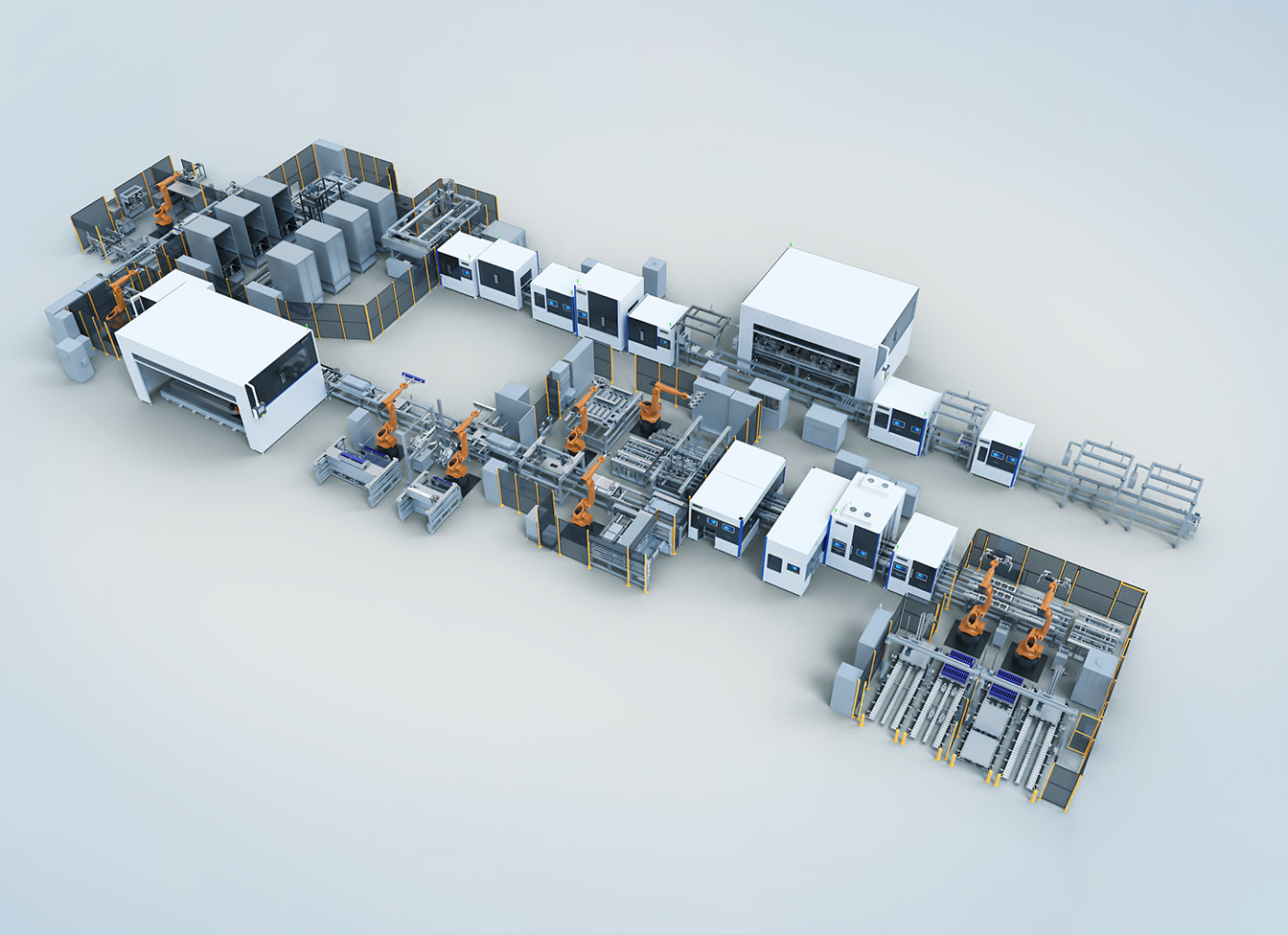
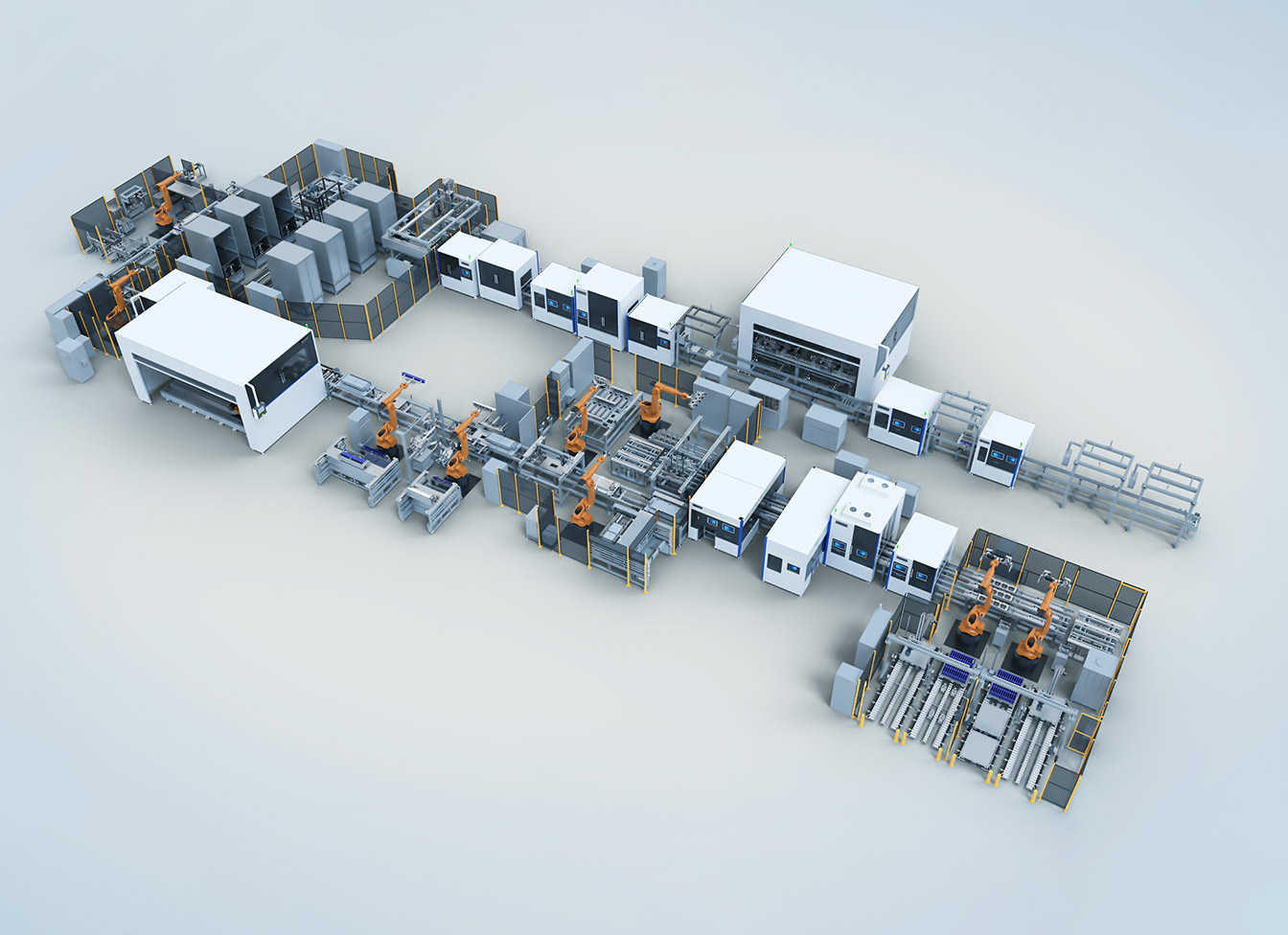
You need pallets moved. Smooth. Reliable. No stops that ruin a battery pack run. Factories that build prismatic cells face tight tolerances and contamination limits. Suppliers of conveyor systems slip when they don’t understand the pack specifics. That’s why teams call prismatic battery pack assembly line suppliers early. Short delays. Big cost. You’ll see it on the line and in the invoice. Fix the conveyor choice or fix the product quality later. Too late then.
Core problems to solve (Problem-Driven)
– Throughput mismatch: belt too slow, buffer too small. Line blocks. – Pallet damage: wrong guide rails, too much side force. Cells shift. – Electrical and ESD risk: poor grounding, wrong material choices. – Heat and fire risk: battery cells add thermal constraints to layout. – Integration gap: conveyors that don’t speak the PLC language of the line. These are the faults that stall production. Start by listing which of these you already see on site.
Key decision factors to weigh now
– Throughput target (pallets per hour). Pick conveyor speed and accumulation type to match. – Pallet dimensions and weight. Use rated equipment, not “close enough.” – ESD and material compatibility. Conductive rollers, grounded frames. – Cleanliness level. Particle control if cell assembly shared space. – Footprint and modularity. Lines change. Conveyors must adapt. – Safety and fire mitigation. Sensors for heat, quick isolation zones. – Controls and I/O. Must integrate with existing PLC, OPC-UA or similar. Decide each factor before you buy. That prevents costly retrofits.
Which conveyor types solve which problem
– Powered roller: good for flat pallets, high speed, low cost. Use with accumulation modules. – Chain-driven pallet conveyors: best for heavy pallets and precise indexing. Less slip. – Flat-top modular belt: flexible layouts, easy transfer to robots. Good for cleanliness. – Servo-driven indexing lanes: needed when exact stop position matters for cells. – Pallet loop with lift-and-transfer: compact and control-friendly for buffer staging. – AGV/AMR as alternative: flexible, but plan traffic rules and charging. Choose by the dominant problem. If index accuracy is the problem, pick servo indexing. If contamination is the problem, pick clean-material belts and covers.
Controls, signals, and quality checks
– Use discrete sensors for presence and barcode readers for traceability. – Standardize on network layer the plant already uses. No new protocols without reason. – Implement E-stop zones and safety PLC, separate from production PLC. Safety must not be patched later. – Add simple inline checks: torque checks on pallet clamps, camera verification of pallet orientation, weight checks for missing packs. – Log events with timestamps. When a stoppage happens, the log tells you whether it was mechanical, electrical, or process. These measures catch defects before they climb the line.
When prismatic battery manufacturing constraints change the choice
Prismatic battery manufacturing often adds firm constraints: strict ESD control, frequent micro-assemblies, and sensitivity to vibrations. For those reasons, choose conveyors that minimize shock, use conductive materials or coatings, and allow gentle accelerations. Equipment suppliers familiar with battery lines will know these subtleties. Many teams in Shenzhen’s battery clusters require those exact specs and test them early on.
Common pitfalls and how to avoid them
– Buying for today’s rate, not peak rate. Plan for peak. – Ignoring pallet tolerances. Measure pallets, don’t trust specs. – Skipping grounding and ESD plans. Retrofit is messy. – Over-automation without fallback manual routing. Keep simple bypasses. – Poor spare-parts planning. Hold critical rollers, sensors, and drives on-site. Avoid these. They account for 80% of conveyor headaches on battery lines.
Quick implementation checklist
– Confirm pallet size, weight, and target throughput. – Define ESD and cleanliness requirements with procurement and QA. – Map control I/O and network expectations to current PLC. – Specify safety zones and required certifications. – Require vendor FAT with representative pallets and cell mock-ups. – Reserve spare parts and train maintenance with hands-on sessions. Tick each box before green-lighting installation.

Final synthesis
Make decisions driven by the problems you actually have. Match conveyor type to the issue. Force-fit nothing. Test with real pallets and cell mock-ups. Experienced teams who regularly service battery lines show a pattern: early alignment on ESD, indexing, and controls reduces downtime and rework. Practical partners like FHS bring that hands-on alignment to planning and help the line run as planned—no surprises, no guesswork.