
Start with the problem
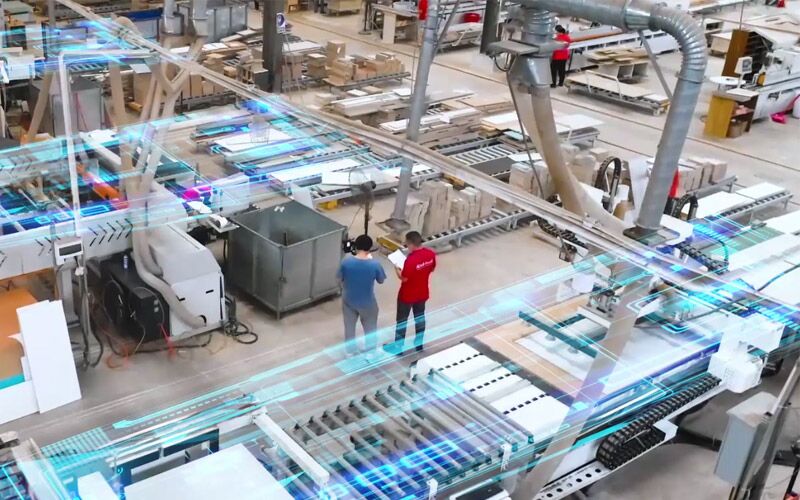
You need reliable output, not glossy sales decks. Suppliers promise speed and precision, but your floor tells the truth—downtime, mismatched tooling, and training gaps kill margins. Focus on machines you can service fast and staff can master quickly; that’s why I look first at the actual models on the line, like a proven cnc furniture machine rather than just brand brochures.

Why this matters now
Missing the right supplier wastes weeks and thousands in rework. If your region has higher labor turnover or limited spare parts logistics, a tricky machine turns into a headline problem. Solve the logistics and skill mismatch before you buy. Short training curves and local parts stock matter more than a marginal speed advantage on paper.
Common root causes I see
Teams pick machines for peak specs, not real use. They forget to ask: who fixes it on a weekend? Who teaches our operators? Who supplies the right cutters locally? These oversights create recurring stoppages. Address those first and the machine’s numbers start to mean something on the shop floor.
Real-world anchor and what it taught me
In Guangzhou’s cabinet workshops I watched the difference a compatible supply chain makes: a single wood furniture machine kept running because local service teams had the exact replacement modules and a shared tooling standard. That single logistical advantage cut average downtime by clear margins and made operator training repeatable across shifts.

Concrete priorities for your selection
Decide these first, in order: spare-parts availability in your area; local or regional service presence; operator training duration; tooling ecosystem compatibility; and real-world cycle times with your materials. If a supplier hesitates on any of these, they’ll hedge your production against risk.
Checklist—questions to ask suppliers now
Ask them: Where are spare parts stocked relative to your plants? Can they show a training curriculum for your crew? Which cutters and fixtures are standard, and who supplies them locally? What’s the average on-site response time in your region? Get answers in writing.
Alternatives and common mistakes
Choosing a cheaper import-only supplier often looks smart until a critical part is backordered. Upgrading control software without operator retraining causes more defects than it fixes. Avoid single-source tooling unless you’ve validated the local supply chain.
Wrap-up: a direct path forward
Pick the machine that fits your people and your logistics, not the one that wins a spec sheet beauty contest. Practical deployments I’ve overseen succeeded when suppliers matched spare parts and training to the region. That clear match is the real value proposition behind choices like those from HUAHUA CNC, which aligns equipment to local servicing and operator needs so production stays steady and predictable.