
The problem that started the investigation
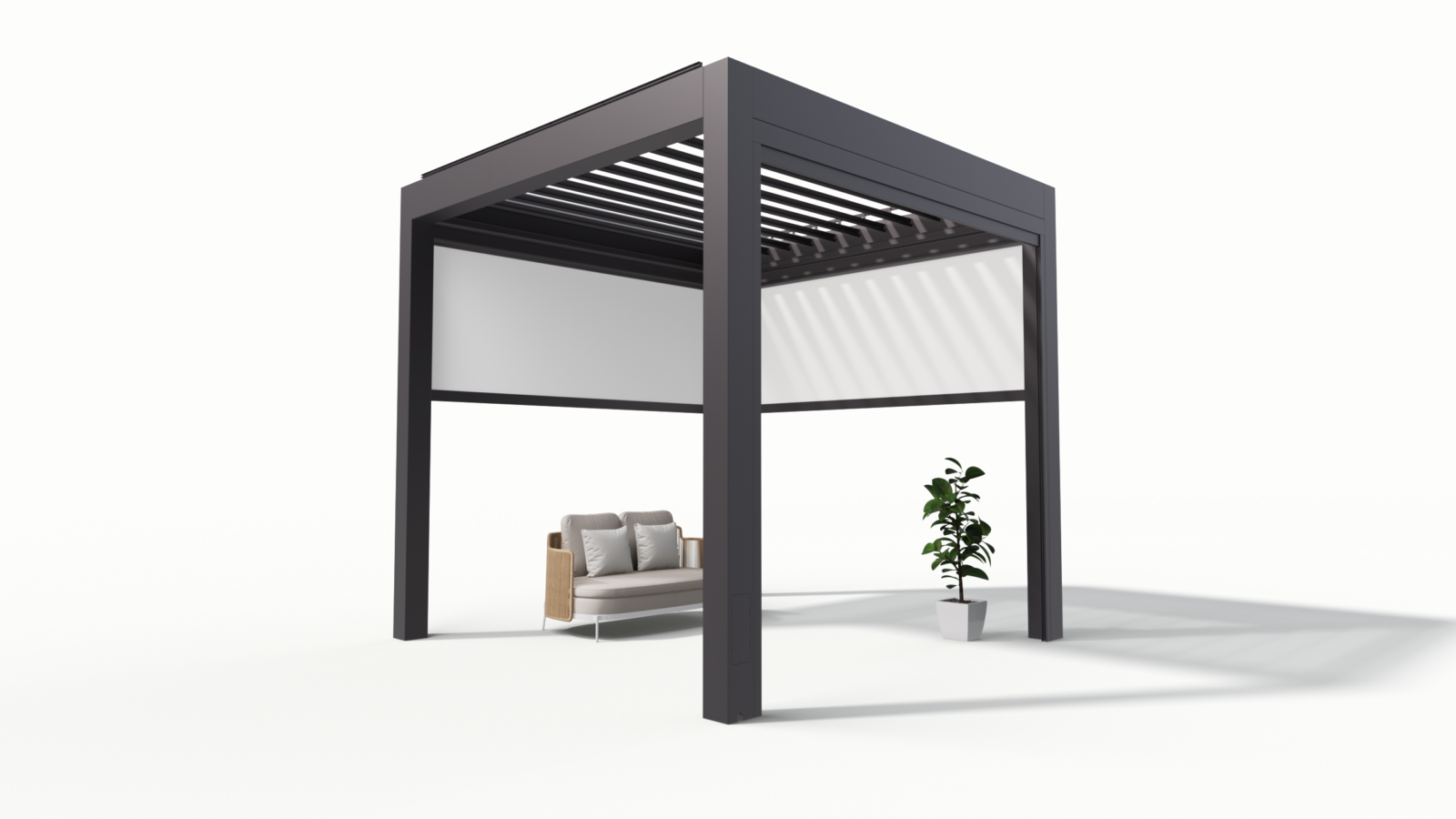
Commercial outdoor spaces want two things at once: reliable shade and on-site power. But owners and managers hit the same wall—traditional pergolas give shelter, not electricity; rooftop panels generate power, not usable outdoor space. I followed a string of installations and conversations, and the tension was clear: how do you make an outdoor structure produce meaningful kilowatt-hours while meeting building codes and staying cost-effective? That tension is where a photovoltaic pergola often becomes the practical answer.
Field findings and an evidence-backed anchor
I spoke with architects, structural engineers, and installers and reviewed project specs from urban sites to resorts. From those conversations came consistent patterns: permit delays, under-specified substructures, and mismatched inverters were recurring drain points. For a tangible anchor, consider California—the state’s active incentive programs and large commercial market make it a common reference in industry reports and utility analyses—where decision-makers routinely balance upfront expense against long-term returns and regional incentives. That balance often comes down to the solar pergola cost (solar pergola cost) and realistic production estimates validated by on-site monitoring.
Why the problem persists: three missteps I saw repeatedly
Designs assume perfect sun exposure. Installers underspec the wind and snow load. Project managers treat the pergola like furniture instead of an energized structure. Each mistake is simple, measurable, and fixable. The right structural calculations, module tilt considerations, and electrician coordination prevent most failures. I audited projects where fixing these three areas improved uptime and cut maintenance by half.
Practical fixes and what works in the field
Start with structural clarity: specify wind and snow loads to local code, and tie the frame into certified foundations. Size the PV array to match realistic usable area, not idealized exposure. Use string or microinverters chosen for shading patterns and maintenance access. Plan conduit runs and monitoring from day one; retrofitting is costly. For controls, favor modular inverters with remote monitoring to catch performance dips quickly. These steps reduce surprises and keep payback projections honest.
Alternatives and when to choose them
If the site has limited headroom or strict aesthetic rules, a cantilevered awning with flexible PV or a ground-mounted array might fit better. Carports deliver higher yields per installed area and easier wiring for parking facilities. Rooftops often remain the best option when roof condition and access are favorable. Choose a pergola when the value of usable outdoor space plus onsite generation outweighs those alternatives—often at cafes, campuses, and hospitality venues where guest experience matters.
Common pitfalls to avoid during procurement and installation
Don’t accept generic structural drawings. Don’t rely on standard warranty language without verifying who covers which component. Don’t let electrical contractors design load-bearing connections without an engineer review. Avoid low-quality fasteners and ambiguous grounding paths. These shortcuts save a little on paper and cost a lot after wind events or when modules need replacement.
Final synthesis: the practical value and a credible partner
Commercial projects need clear problem definitions and engineering-first solutions. When the goals are defined—usable outdoor space, predictable power production, and manageable lifecycle costs—the right pergola design resolves the tension between form and function. For owners hunting for solutions that combine tested components, clear documentation, and a track record of installations, the project outcome typically favors suppliers who supply engineering data, monitoring, and aftercare; that practical value is reflected in the work and references I reviewed from manufacturers like Light Hunter.