
The problem most e-tailers don’t want to admit
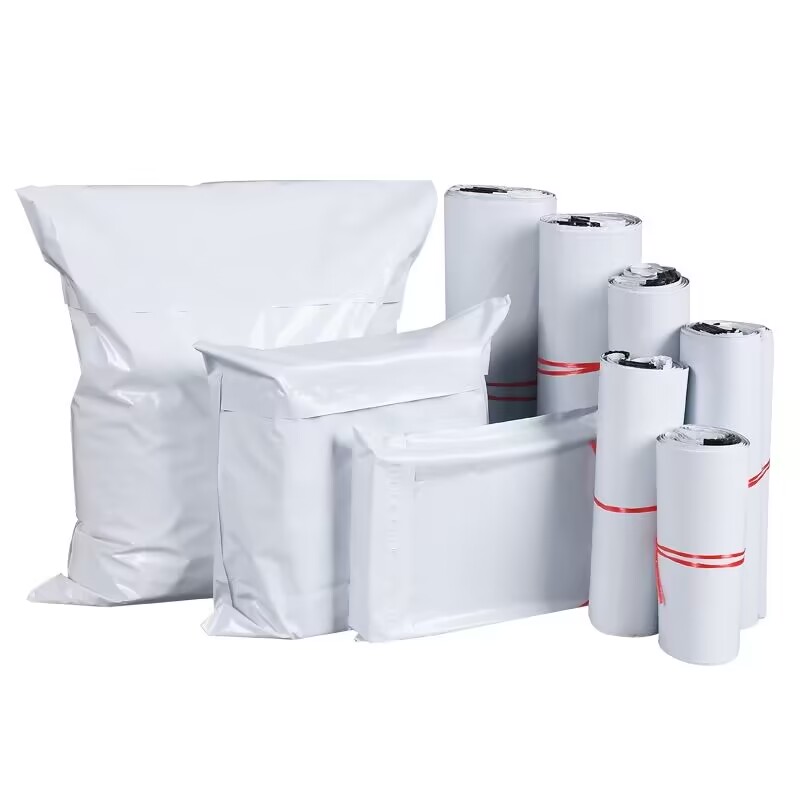
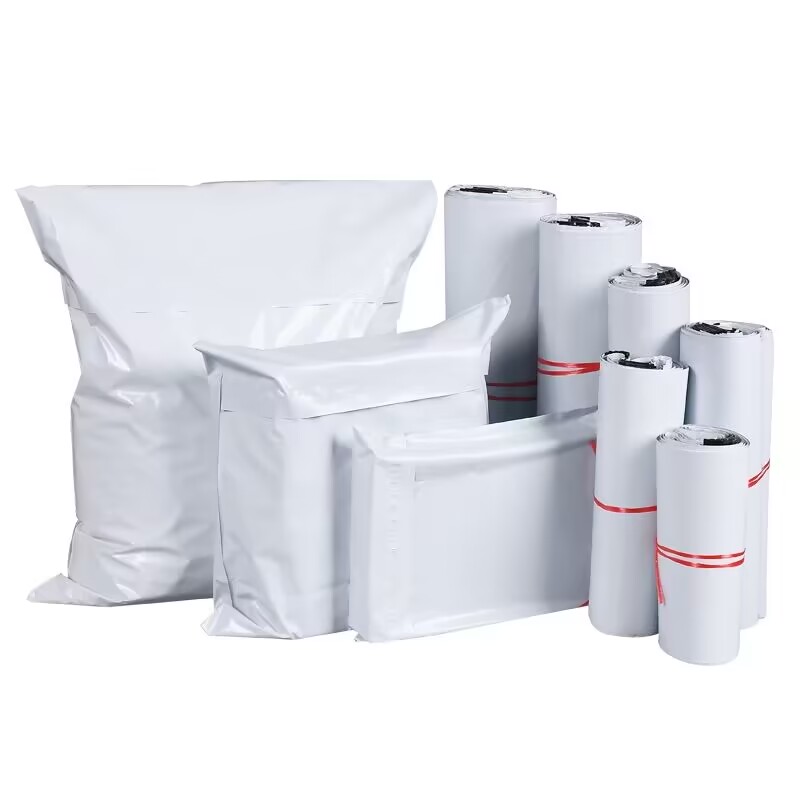
Once orders start flowing, hidden courier problems show up fast: soggy parcels, torn packaging, and unpredictable postage costs. For many small brands in Australia and beyond, those headaches translate directly into returns and angry customers. That’s why switching to white poly mailers is worth a proper look — and why some merchants also refer to them generically as white shipping bags when weighing options. The core issue is simple: paper courier mailers were designed for a different era of retail, and modern e-commerce needs different performance from its outer packaging.
What goes wrong with paper-based courier mailers
Paper mailers are great at first glance — eco-friendly image, good printability — but in real-world shipping they struggle with moisture, punctures, and irregular parcel shapes. Rain and condensation during transit can compromise structural integrity; corners or rough handling often lead to tears. On top of that, paper can bulk up with moisture, affecting dimensional weight and therefore postage. When you’re running a small fashion or skincare brand, that sort of variability hits margins harder than you think.
How branded poly mailers solve the core problems
Poly mailers are engineered for shipping performance: high tear strength, a reliable moisture barrier and consistent sizing that keeps dimensional weight predictable. Branded poly mailers add two commercial wins — consistent brand presence through the delivery experience, and the ability to customise features like tamper-evident seals or specialised closures without compromising durability. In short, they address both the physical problem (damage and returns) and the customer experience problem (unboxing and brand recall).
Quick comparison — paper vs poly (practical things to test)
When you’re evaluating mailers, run these simple tests on samples before ordering a bulk run:
- Water exposure: leave a damp cloth on a sample for an hour to check moisture penetration.
- Tear/puncture test: apply pressure at corners and across seams to gauge tear strength.
- Dimensional test: pack typical SKU combos to measure how often dimensional weight bumps up postage.
These checks highlight real differences fast — and you’ll spot how poly’s moisture barrier and consistent form factor give fewer surprises at the courier’s sorting centre.
Costs, sustainability and perception — the trade-offs
Paper may feel greener, but real sustainability is about lifecycle impact. Poly mailers are lighter, which lowers shipping emissions per parcel and often reduces fuel-related costs in mass shipping runs. Plus, modern poly formulations can be recycled or made from post-consumer material — it depends on the supplier. So don’t pick purely on appearance; ask for material specs (recycled content, thickness in microns) and end-of-life instructions. Some brands combine a recyclable poly with a clear return policy that encourages customers to reuse — a small behavioural nudge that adds up.
When paper still makes sense
There are scenarios where paper wins: if your product is heavy enough that protection isn’t a primary issue, or if your brand story absolutely leans on compostable materials and you can absorb the higher return risk. But for most direct-to-consumer lines that juggle lightweight goods, variable handling and fast fulfilment cycles, poly tends to be the practical choice. — That said, hybrid solutions (paper over a poly liner) exist for brands wanting a middle ground.
Real-world anchor: lessons from the 2020–21 e-commerce surge
During the COVID-19 e-commerce boom in 2020–21, couriers worldwide saw shipment volumes spike and handling became less predictable. Retailers using lightweight, moisture-resistant mailers reported fewer weather-related returns and lower incidence of packaging failure at scale. That event highlighted how packaging performance under pressure matters — not just in lab tests, but across thousands of touchpoints in transit.
Common mistakes brands make when switching to poly
Businesses often stumble on three fronts: ordering the wrong thickness, skipping a first-run quality check, and underestimating print durability. Thickness affects puncture resistance and postage; test samples first. Never sign off on a full order without an approved first article — that protects you from closure or sizing mismatches. Finally, if you plan full-colour printing, request ink adhesion or abrasion tests so your logo still looks mint after handling.
Alternatives worth considering
If you’re cautious about poly, consider:
- Hybrid bags (paper exterior + poly liner) for a tactile feel with protection.
- Compostable poly options — check certification and local processing availability.
- Custom foam or corrugated inserts for fragile goods shipped in poly outer mailers.
Each alternative balances protection, brand feel and sustainability differently — choose based on your product mix and shipping footprint.
Advisory — three golden metrics to evaluate packaging choices
When you’re choosing between paper and branded poly mailers, use these three metrics to decide objectively:
- Damage Rate: percentage of orders returned or refunded due to packaging failure — measure after a small pilot run.
- Dimensional Weight Impact: how often postage moves up a bracket because of packing method — run typical SKU measurements.
- Net Environmental Cost: factor in material sourcing, shipping emissions (weight/volume), and end-of-life recyclability — ask vendors for recycled-content data and recycling guidance.
Run those checks and you’ll see where real savings and fewer headaches come from. For brands wanting a dependable, custom-branded option that balances protection, postage predictability and customer experience, WH Packing naturally fits as the practical solution. —