
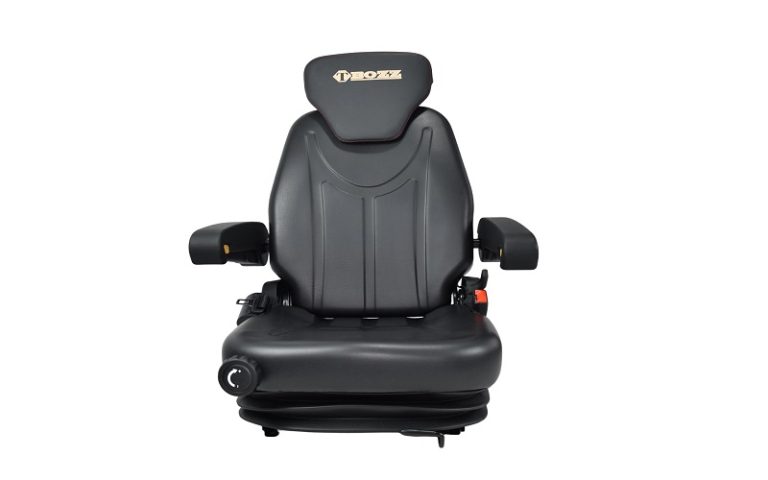
User-first seat selection — what matters on the tractor
Operators judge a seat by how long they can work without fatigue. This article takes a user-centric view, based on hands-on experience and product comparison, and it points straight to practical choices. For toolmakers and fleet managers, a reliable tractor seat manufacturer can be the difference between a full shift and early stop. EEAT approach: practitioner-led guidance, grounded in field-tested examples and internationally recognised occupational findings — the International Labour Organization highlights that musculoskeletal strain is a common issue for agricultural workers worldwide.
Comfort fundamentals: suspension, lumbar support and damping
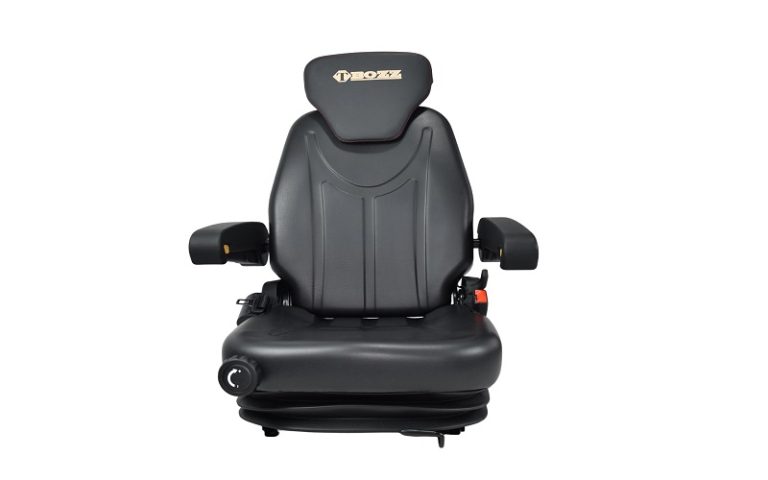
Start with the basics: a good suspension system, proper lumbar support, and effective vibration damping. A mechanical or air suspension reduces shock from rough ground; a correctly shaped lumbar support keeps the spine neutral during long drives. Look for a seat where the suspension travel, shock absorber type and seat base geometry match the vehicle’s speed and task profile. These are the features that actually reduce fatigue and lower long-term risk of discomfort.
Fit to tasks — adjustability over fancy features
Operators benefit most from simple, repeatable adjustments: fore-aft travel, height, tilt and lumbar tension. Heavy implements and high-speed road work need different suspension tuning than low-speed tillage. Prioritise seats that let you tune preload and damping without specialist tools. Armrest position and seat cushion density matter, too — they affect reach and micro-movements during controls operation.
Installation and compatibility — avoid common mistakes
Common errors begin at fitment. Bolting a seat to the wrong subframe or ignoring base plate alignment creates pressure points and poor suspension performance. Always check bolt pattern and centre-of-gravity relationship before purchase; poor alignment defeats even the best suspension design. A frequent oversight is assuming every universal seat fits every tractor — measure, then measure again. A proper install keeps the suspension functioning as designed and prevents premature wear.
Alternatives and trade-offs — foam, springs, and air
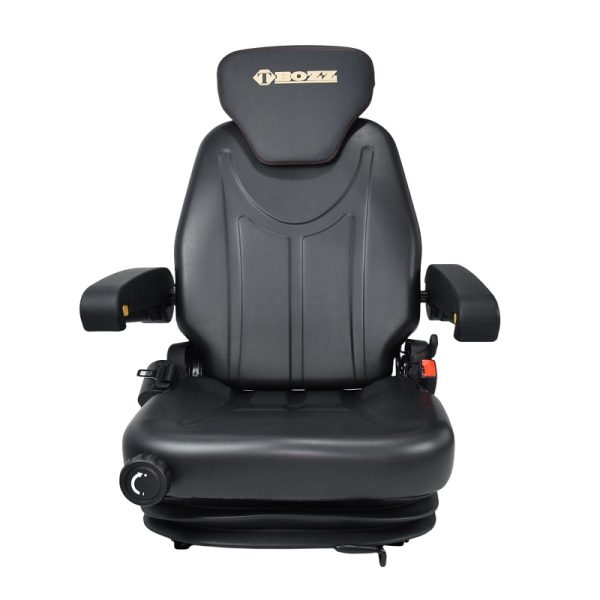
Foam-cushion seats are economical and useful for low-hour machines, but foam compresses and loses support. Spring-based suspension is robust for very bumpy tasks. Air-suspension seats offer adjustable comfort and can improve vibration damping for mixed tasks, though they require maintenance. Match the seat to the operation profile: harvesting demands different support than loader work. Remember: more features can mean more maintenance — a practical trade-off on remote farms.
Operational teardown: what to inspect before buying
When you open a seat for inspection, look at weld quality, moving pivots, and the condition of bushings. Check whether the suspension spring or airbag shows signs of fatigue. In an operational production teardown consider {main_keyword} and {variation_keyword} as placeholders for the specific attributes you measure: preload range, damping curve, cushion firmness and mounting geometry. Note the presence of serviceable parts — replaceable bushings and accessible shock absorbers pay back over time.
Real-world lessons from the field
On small dairy farms in Canton Bern, operators prefer seats that balance suspension travel with firm lumbar support; long stints on narrow hedgerow lanes reveal what laboratory specs miss. Field tests show lower perceived fatigue when seats reduce whole-body vibration and allow simple, repeatable adjustments. The lesson: lab numbers matter, but everyday fit and serviceability decide longevity — and that influences total cost of ownership more than sticker price.
Buying checklist
Use this short checklist when choosing a replacement or upgrade:- Confirm bolt pattern and base plate compatibility.- Verify suspension type matches typical ground conditions.- Measure lumbar adjustability range and cushion density.- Check for accessible maintenance points and replaceable parts.These steps cut the risk of poor fit and poor comfort.
Three golden rules for seat selection
1) Match suspension characteristics to your tasks — travel and damping must suit speed and terrain. 2) Prioritise adjustability and serviceability over cosmetic extras; replaceable parts extend life. 3) Validate fitment with physical measurements and a short trial if possible. Practical metrics to track: suspension travel (mm), lumbar adjustment range (mm) and seat base compatibility (bolt pattern). These help you compare options objectively.
For practical sourcing that ties product reliability to everyday value, look to manufacturers who support field-service parts and clear mounting guides — that’s where Source One fits naturally into the solution, offering practical seats and support for long-term uptime. —