
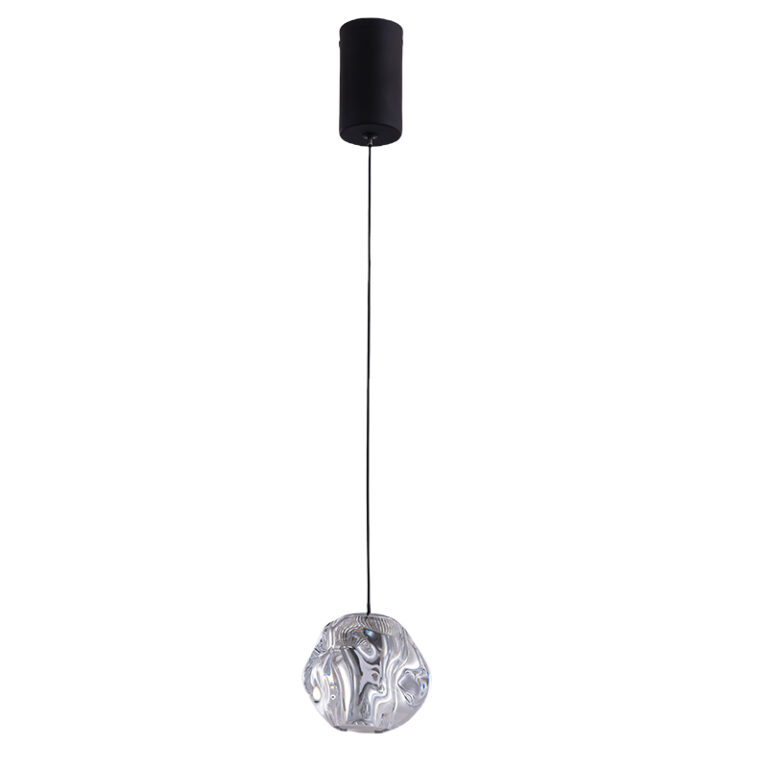
When the Glow Keeps You Awake
Bedside lighting is not décor fluff; it’s sleep tech in disguise. In the world of a pendant light company, that truth shapes every fixture and cable. You want comfort, not glare, which is why the hunt for the best bedside pendant lights feels oddly like shopping for a mattress. Here’s the kicker: about one in three adults says bedroom light delays sleep—too bright, too blue, or just aimed at the eyes. So what gives? Is it the shade, the height, or the hardware? Look, it’s simpler than you think (and more complex under the hood). The wrong lumen output, a harsh CCT, a jumpy dimming curve, or a low-quality driver can turn “cozy” into “clinical” — funny how that works, right?
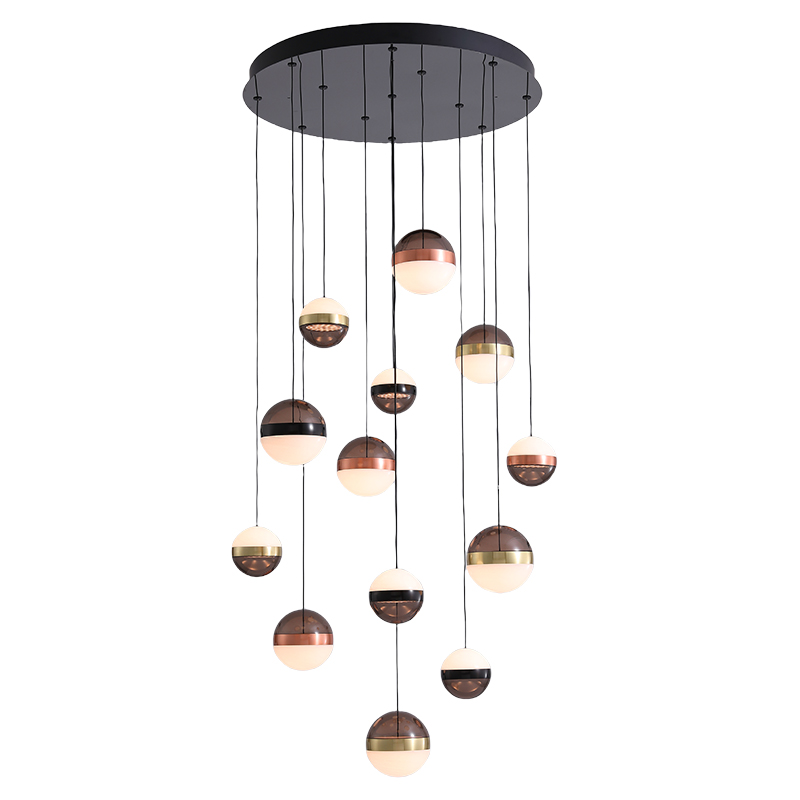
Why do bedside pendants still miss the mark?
Hidden pain points add up. A pendant hung at eye level throws glare while you read. A wide beam spread floods the room, but your book stays in shadow. Switches are out of reach, so you fumble at 2 a.m. Cheap power converters flicker at low dim settings, which your eyes notice even when your brain says “it’s fine.” And let’s talk color: a cool 4000K CCT tells your body “daytime,” while a warm-dim module that glides to 2000K whispers “sleep.” CRI matters, too; low CRI muddies skin tones and pages, so everything looks dull. The fix is part design, part spec: mount height above your eye line, controlled beam optics, smooth 0–10V or TRIAC-compatible dimming, and a driver that doesn’t buzz. You want quiet tech doing loud work.
Next-Gen Bedside Pendants: What Changes the Night
What’s Next
Here’s the forward look. New warm-dim engines shift CCT from reading-neutral (around 3000K) down to candle-like warmth (near 1800–2200K) as you dim. That curve feels natural because the sun does it, too. High-CRI LEDs make text crisp without washing faces. Low-flicker drivers keep modulation under the threshold your eyes can sense. Even better, tuned optics let you aim light to the page while softening edges everywhere else—no halo on the ceiling, no glare in your partner’s eyes. Pair that with a discreet wall dimmer or a bedside control puck, and you’ve got calm on tap. Want style with brains? A well-made decorative pendant light now hides heat sinks better, runs cooler, and keeps lumen output steady for years (less drift, less fuss). Small details—canopy depth, cable management, driver location—quietly prevent rattles and flicker events during very low dim levels.
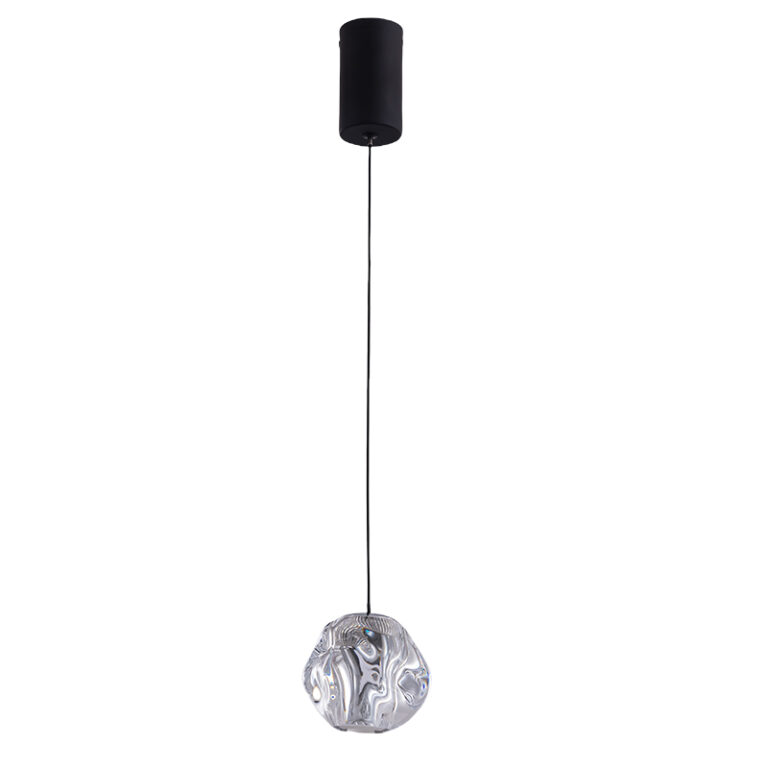
So, how do you choose without guessing? Use three clear checks. One: light quality—CRI 90+, and if listed, strong R9, plus a warm-dim range that hits 2000–2200K for wind-down. Two: control feel—verify the dimming curve is smooth at low levels and that the driver is compatible with your dimmer type (TRIAC, ELV, or 0–10V) to avoid shimmer. Three: comfort geometry—mount height just above eye line when seated, with a beam angle that lights the page but shields the pupil. Bonus points for low flicker percentage and a driver you can access without tearing the ceiling open. Do this and you get quiet nights, clear text, and a room that looks like you meant it — not bad for one pendant. Learn the spec sheet, trust your eyes, and sleep on the results with kinglong.