
Introduction: A Question That Starts on the Shop Floor
Who hasn’t stood by a humming machine and wondered if we’re squeezing every ounce of value from it? I see that scene a lot—operators, engineers, and managers circling the same priorities. Data shows small shops lose up to 12% of productive time to setup and minor stops; so when I talk with vertical machining center manufacturers, that figure keeps coming up in our conversations (and spreadsheets).
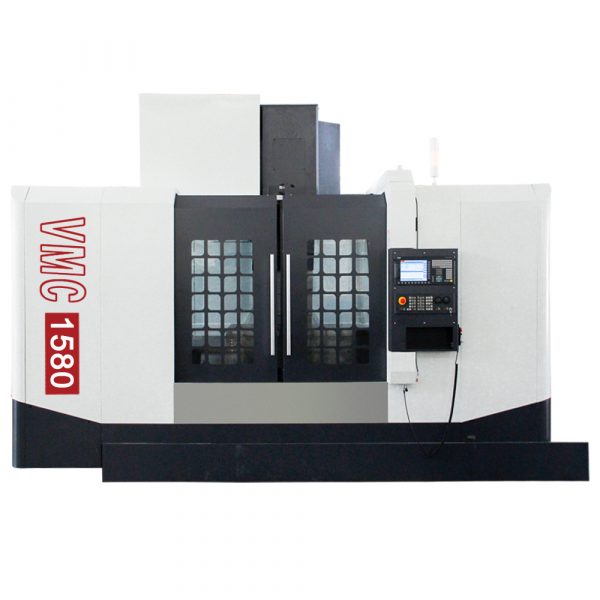
I’ll be frank: I’m approaching this like a data person who’s also worked a shift on the floor. I care about cycle time, spindle uptime, and mean time between failures. But I also care about what real users feel when a program hiccups or a tool breaks—because those emotions drive buying decisions, too. So—what exactly should we be measuring and comparing? That’s where I’ll start unpacking things below.

Peeling Back the Layer: What Common Solutions Miss
I want to examine the root gap I keep seeing. When shops pick a cnc vertical machining center, they often focus on specs: spindle speed, axis counts, and advertised power. Those matter, sure. But I’ve noticed many vendors gloss over integration realities—how the machine talks to CAM, the speed of the automatic tool changer, and how middleware handles telemetry. That oversight drives hidden costs in setup time and idle minutes.
Technically speaking, control unit compatibility and servo drive tuning are where promises meet practice. A machine with great spindle torque can still underperform if the ball screw and linear guide setup adds backlash, or if coolant system design creates thermal drift. Look, it’s simpler than you think: specs alone don’t predict shop-level throughput. We need to ask—does the control ecosystem minimize human setup? Does it log useful fault data? Those questions reveal where “good enough” slips into real pain.
Why do these gaps persist?
From my view, vendors sometimes prioritize headline specs over practical integration. They’ll tout peak RPM and power converters, but not show how the machine behaves after the first 100 runs. That’s why I press on real-world cycles and maintenance logs when I advise teams.
Forward View: Principles for the Next-Gen Vertical Machining Center
What comes next is less about raw power and more about smart architecture. I lean on three new technology principles when evaluating future-ready machines: modular control, adaptive tool-path optimization, and embedded fault analytics. Modular control lets shops swap out a failing servo drive or upgrade a control unit without a full retrofit. Adaptive tool-path optimization—yes, the kind that learns from actual cut data—reduces cycle time by shaving off small inefficiencies in feed and approach. And embedded fault analytics give you early warnings, not just error codes (—funny how that works, right?).
Putting this into practice, I watch for machines that make data easy to extract. A trustworthy cnc vertical machining center supplier will expose telemetry in standard formats, not locked proprietary blobs. That openness matters when you want to run edge computing nodes for local analysis, or feed production dashboards without round-trip delays. In short: prioritize platforms that think like systems, not just single machines. Real-world deployments I’ve seen cut setup time by measurable margins when these principles are applied.
What’s Next?
Moving forward, I recommend teams test three things before they buy: interoperability (can my CAM and MES talk to it?), maintainability (can I access common wear parts quickly?), and upgrade path (is the control modular?). I say this from experience—simple checks like these have saved shops weeks of downtime during the first year of operation. And yes, I admit I favor suppliers who show real data and let me inspect logs during a trial.
Final advice—three quick metrics I use when evaluating options: mean setup minutes per job, percentage of non-cutting time, and successful program runs without intervention. Those tell you more than peak horsepower. Evaluate with those numbers, and you’ll make smarter buys. For teams ready to explore tested options, you can start conversations with reputable vendors and ask direct questions. If you want a concrete place to begin, consider reviewing offerings from Leichman.