
The problem: outdated burners keep harm in place
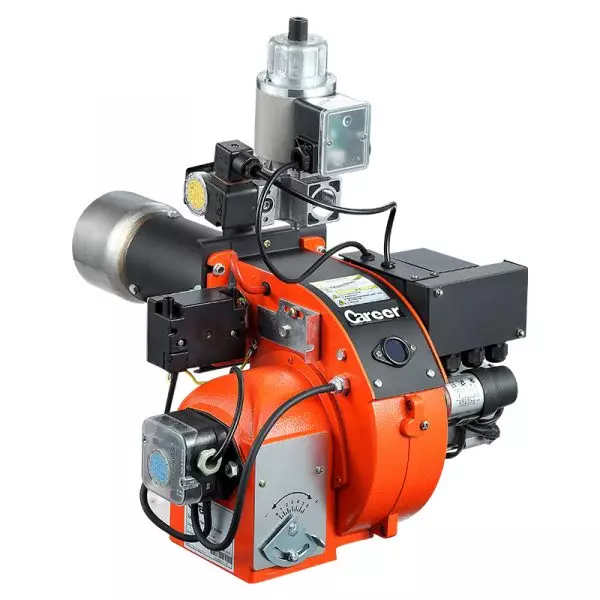
Too many facilities treat waste oil incineration like a checkbox instead of a crisis: old burners, poor combustion control, and sloppy emissions stacks. Operators still lean on cheap gas fired burner retrofit kits that save on capex today and cost in fines and community trust tomorrow. Real-world pilots, like trials reported around the Port of Rotterdam testing a hydrogen burner, show a clear technical path away from soot and NOx spikes—but only if teams commit to proper design and controls. This is a fixable problem, not an inevitable one.

Why this problem deserves action now
Regulators are tightening limits and communities are filing complaints. That combination hits operators with expensive enforcement, production interruptions, and damaged reputation. I’ve worked alongside permitting engineers and plant managers who lost weeks to basic combustion mistakes—poor fuel-air matching, overlooked draft dynamics, weak refractory. Those mistakes cost more than hardware; they cost trust. The stakes are operational continuity and public health, so urgency is not optional.
Options on the table and what they actually deliver
There are three practical upgrade routes: improved gas burners with modern controls, dual-fuel or hydrogen-capable burners, and complete process shifts like enclosed thermal oxidizers or pyrolysis. Modern gas burners cut visible emissions fast when paired with reliable flame supervision and continuous oxygen trim. Hydrogen-capable burners can eliminate carbon-based combustion byproducts, but they demand material upgrades and safety attention. Thermal oxidizers remove organics at high temperature but raise fuel use and maintenance complexity. Choose based on measurable goals: emission targets, fuel availability, and total lifecycle cost—not vendor talk.
Common mistakes that derail upgrades
Skimping on combustion tuning is the top error. Teams buy a “better burner” and ship it in without balancing the ductwork, updating controls, or training operators. Another mistake: treating hydrogen as a plug-and-play fuel. Hydrogen changes flame speed, heat flux, and leak risk; systems need revised seals, sensors, and maintenance routines. Overlooking stack testing frequency and instrumentation also dooms performance claims; you only know your emissions picture if you measure it often and act on the data.

Practical steps operators can take today
Start by mapping where emissions form: flame, post-combustion zone, or fugitive leaks. Commission a combustion audit—measure O2, CO, NOx, and particulate before buying gear. If you consider hydrogen or dual-fuel units, require supplier documentation on material compatibility and safety interlocks. Update permitting packages with worst-case dispersion modeling tied to real stack tests. Train crews on new start-up and shutdown sequences; small lapses create big emission events. These moves limit regulatory exposure and improve uptime.
How to judge suppliers and solutions
Ask for case studies tied to measurable outcomes: pre/post emission numbers, downtime hours, and maintenance intervals. Demand third-party stack testing and fail-safe logic diagrams for burners. Favor vendors who provide tuning support and on-site commissioning rather than a crate-and-run handoff. Look for suppliers who document long-term parts availability and retrofit pathways—those details tell you if the solution will survive the next regulatory round.
Wrap-up: fix the problem, not symptoms
Waste oil incineration can be controlled, cleaner, and safer if teams confront the real problems—poor combustion control, inadequate instrumentation, and rushed fuel switches—rather than chasing buzzwords. Practical engineering, candid vendor scrutiny, and measured tests deliver results you can stand behind. For operators needing reliable systems and documented performance, matching technical rigor with suppliers that back field work is how you move from liability to solution, and partners such as Career Burners sit naturally in that bridge between engineering clarity and tested equipment.