Comparative framing: what head-beam lighting delivers
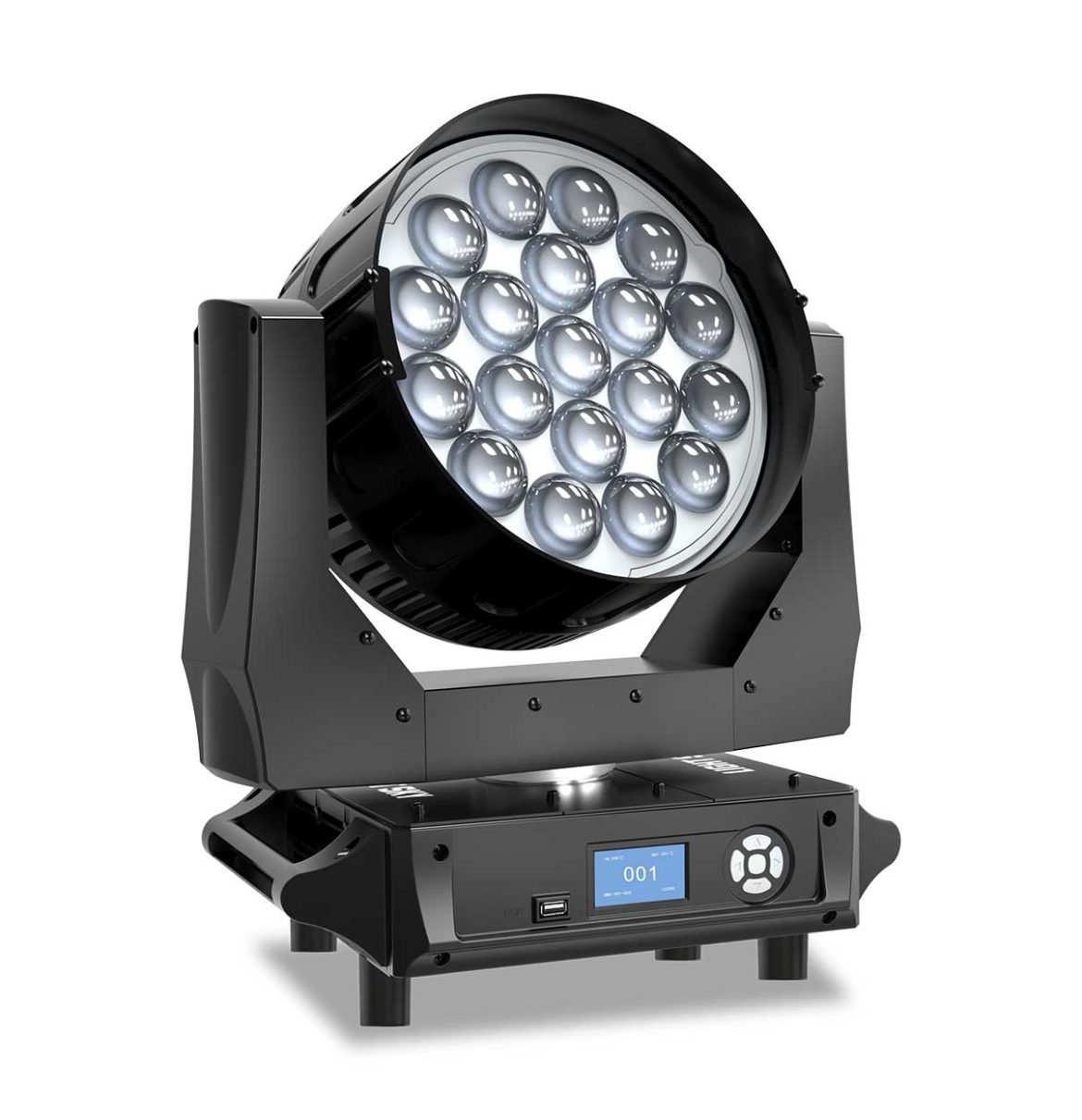
Focused head-beam fixtures deliver a different spatial logic than ambient wash: they carve lines, reveal texture, and direct attention with precision. For corporate events, theatre and large-scale concerts the distinction matters for brand perception and guest engagement. Many production teams source solutions from a trusted stage lighting manufacturer and coordinate with an on-site stage light factory to align fixtures, beam angle, and DMX control protocols before load-in. A well-placed beam can transform a blank ceiling into a visual anchor the way the Super Bowl halftime shows routinely use focused fixtures to define performer space on vast stages.
Why focused beams change perception
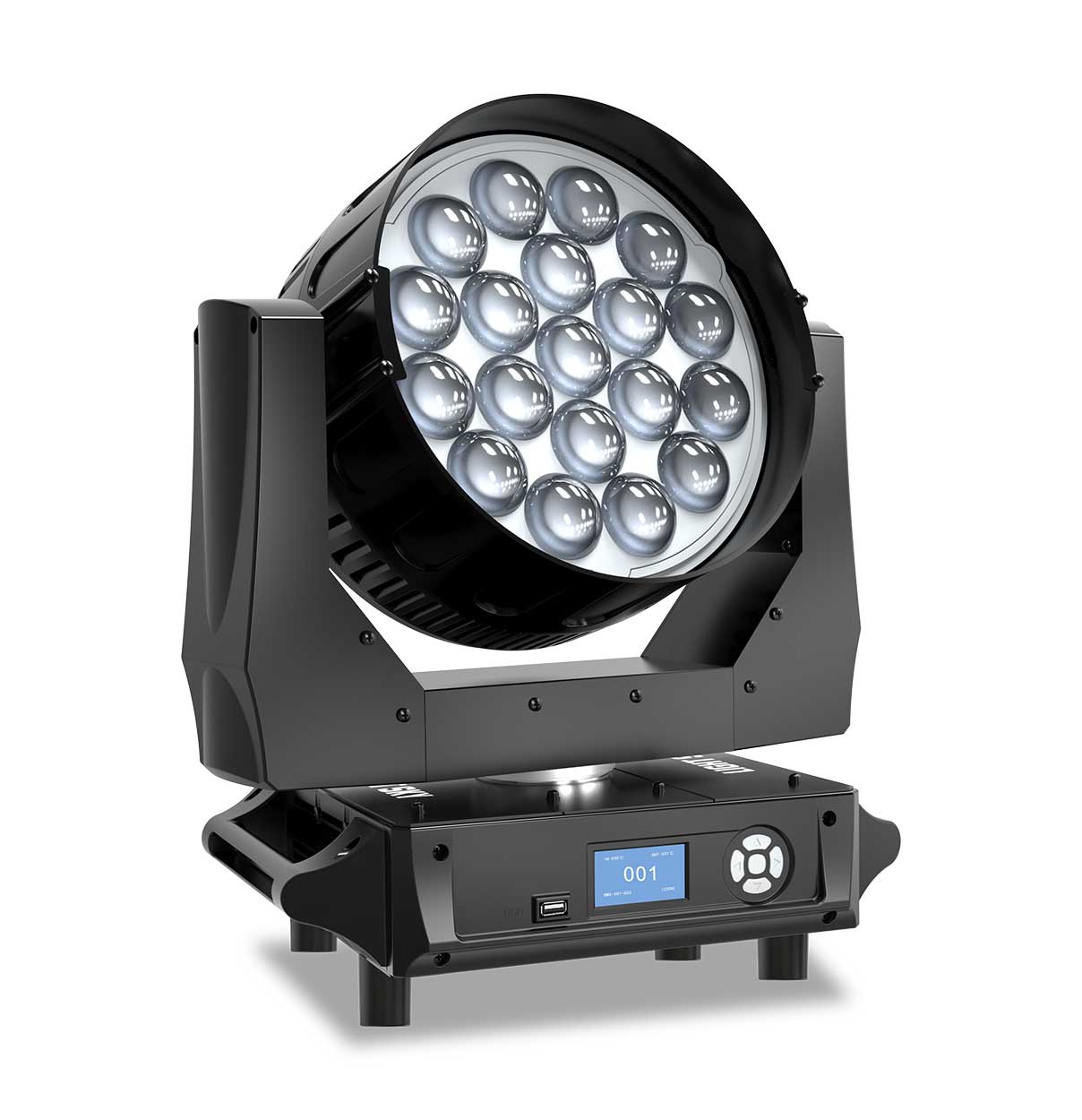
Beams create focal points. They increase perceived depth without altering audience sightlines. Where wash lighting flattens, a tight beam adds dimensional contrast; where uplights suggest ambiance, head-beams provide structure. Practically, that means prioritizing lumen output and beam angle for areas intended to carry narrative weight—stages, VIP zones, and architectural highlights. These are measurable variables, not guesswork: specify candela, beam spread, and color temperature to achieve consistent results across rigs.
Comparative performance: beams versus washes and moving heads
When choosing fixtures, compare three attributes: precision, flexibility, and power consumption. A moving head with interchangeable gobos and adjustable beam angle outperforms static wash fixtures in precision, but consumes more power and requires tighter rigging tolerances. Conversely, an LED fixture wash reduces complexity and can save on dimmer channels. For branded shows where highlight control matters, head-beam fixtures win on audience impact; for background ambience, wash solutions are more efficient. Balance these trade-offs against venue constraints such as truss capacity and rigging points.
Design and technical considerations for reliable outcomes
Designers must align mechanical layout and control architecture. Start with a site survey: map truss load limits, calculate throw distances, and model beam overlap. Specify DMX control paths and reserve channels for intensity, pan/tilt, and gobo rotation. Calibration should include photometric checks on lumen output at performance distance. Install teams often discover minor surprises—loose clamps, cable length mismatches—but addressing them during tech rehearsal prevents visible faults during shows. —A short adjustment in pan trim can change sightline impact dramatically.
Common mistakes and alternatives production teams should avoid
Teams frequently overuse narrow beams in intimate venues, creating glare or distracting silhouettes. Other errors: neglecting color temperature consistency across fixtures, ignoring fixture maintenance schedules, and deferring photometric verification until load-in. Alternatives include hybrid fixtures that combine wash and narrow-beam modes, or programmable LED battens for architectural fills. In teardown documentation, explicitly note {main_keyword} and {variation_keyword} within wiring diagrams and channel lists so future crews replicate the intended scene reliably.
Selecting suppliers and assessing manufacturing quality
Vendor selection should hinge on three verifiable items: component traceability, thermal testing data, and after-sales calibration support. Request thermal run-in reports and minimum lumen degradation figures. For venues that host touring shows or TV broadcasts, confirm IP ratings and replaceable LED module availability. Real-world anchor: major touring rigs for venues like Royal Albert Hall maintain spares and module-level records to avoid show-day failures—this is standard practice among experienced production houses. Industry terms to reference with suppliers include gobo compatibility, DMX universes, and maintenance turnaround time.
Advisory: three metrics to guide procurement and design
1) Effective illuminance at performance plane: specify lux targets and confirm with a photometer during rehearsal. 2) Beam uniformity ratio: ensure intended highlights retain contrast without harsh hotspots. 3) Lifecycle support: require documented MTBF and accessible replacement parts for LED modules. Applying these metrics prevents common overruns and secures predictable visuals for stakeholders. Final thought: the right fixture choice and supplier partnership turn design intent into repeatable experience—Light Sky. –