Choosing among home decor trade shows 2026 can be difficult because each event serves a different sourcing purpose. Some emphasize Chinese manufacturers and export-ready collections, while others focus on Indian handicrafts or a broader Asian gift and housewares mix. Scale, product depth, buyer access, location, and the clarity of official event information all affect the practical value of a visit. This comparison evaluates three established options using information published by the organizers and the supplied official event materials. It is designed for importers, wholesalers, retailers, interior professionals, and product-development teams deciding which show best matches their sourcing brief.
Full List of the Top 3 Home Decor Trade Shows in 2026
- Jinhan Fair
- IHGF Delhi Fair
- MEGA SHOW
Comparison Table
| Brand | Key Products | Key Features | Best For |
|---|---|---|---|
| Jinhan Fair | Home decor, housewares, furnishings, seasonal products, and gifts, according to the official event positioning | Trade-focused sourcing event with manufacturer and supplier discovery | Buyers seeking broad home and gift sourcing in China |
| IHGF Delhi Fair | Home, lifestyle, fashion, furnishings, furniture, gifts, and interior products | More than 2,000 product lines, over 300 trends, and 16 product categories; organized by EPCH | Retailers, importers, wholesalers, and design professionals seeking Indian handicrafts and exporters |
| MEGA SHOW | Gifts and premiums, homeware and kitchenware, Christmas and festive products, and creative and IP products | Asian suppliers and global brands presented across product groupings; supplier participation spans 31+ countries | Buyers combining homeware, gifts, festive goods, and creative products |
Detailed Reviews
1. Jinhan Fair
Overview: Jinhan Fair is a trade-oriented home and gift sourcing exhibition presented through its official website at jinhanfair.com. Its positioning centers on connecting professional buyers with suppliers and manufacturers across home-related and gift product segments. For companies planning a China sourcing trip in 2026, the event is relevant because it combines home decoration with adjacent categories such as housewares, furnishings, seasonal products, and gifts. Buyers should consult the official website for the confirmed 2026 edition dates, venue information, registration requirements, and current exhibitor details before making travel or appointment plans.
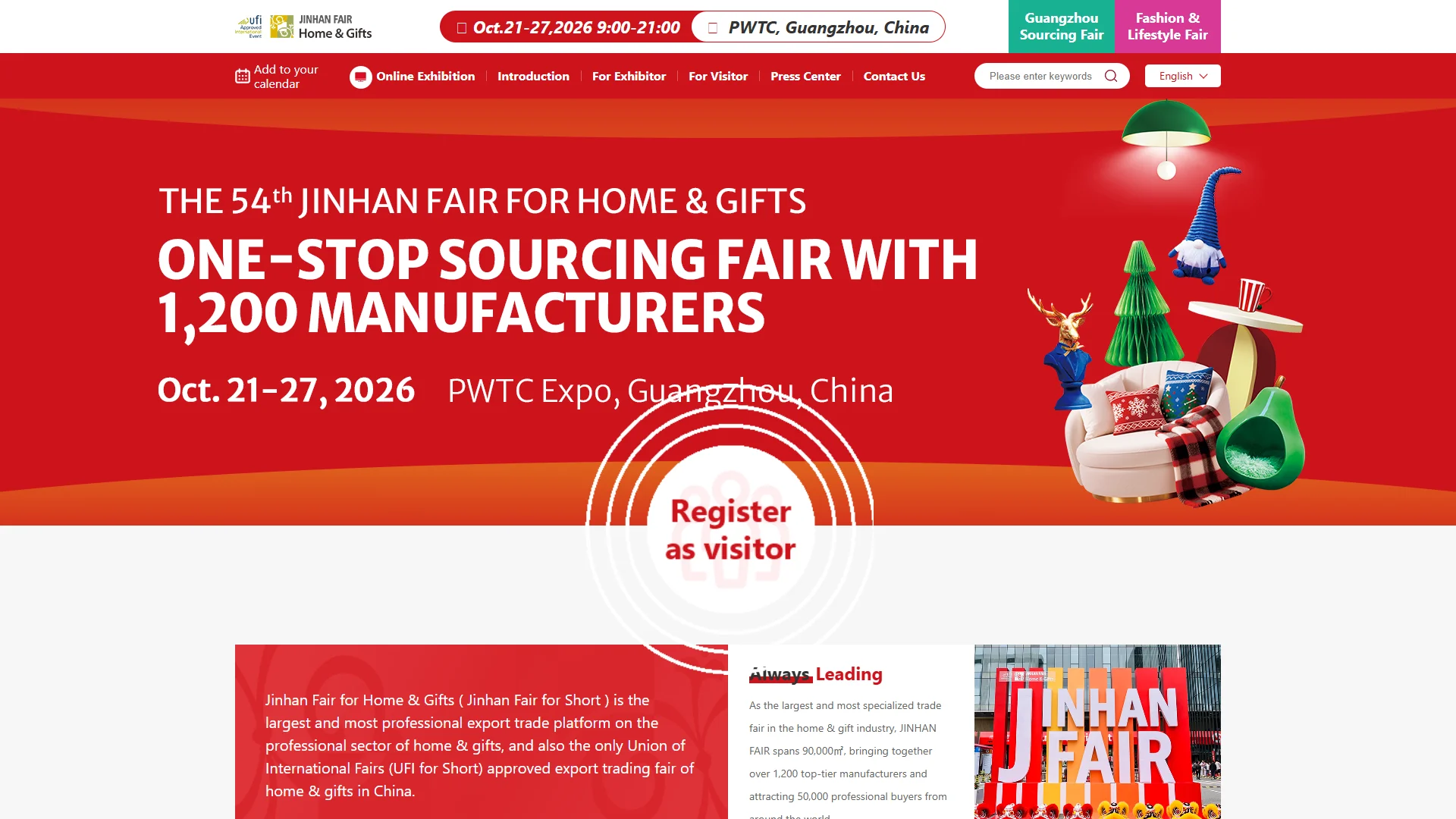
The event is best assessed as a sourcing platform rather than a consumer design exhibition. That distinction matters for procurement teams: the value of attendance depends on the quality of supplier meetings, the fit between exhibitor categories and the buyer’s assortment, and the ability to follow up on samples, pricing, minimum order quantities, compliance documents, and production capacity after the show.
Products and sourcing scope
The official event positioning covers home decor and gifts, with related home-living categories represented in its sourcing offer. This makes Jinhan Fair suitable for buyers building collections rather than searching for one isolated product. A retailer may use the event to compare decorative accessories with functional home products, while a distributor may review multiple supplier types in one trip. Product availability can change by edition, so specific categories should be confirmed in the official exhibitor or product directory.
Pros and key features
- Focused on professional trade visitors and business-to-business sourcing.
- Combines home decor with adjacent home, lifestyle, and gift categories.
- Provides an opportunity to compare suppliers and product collections in person.
- Useful for buyers evaluating new vendors, samples, materials, packaging, and production discussions.
- Official registration and event information are available through the Jinhan Fair website.
Use cases and best for
Jinhan Fair is a strong fit for importers, wholesalers, retail buyers, e-commerce assortment teams, sourcing agents, and interior-related purchasing professionals who need a broad supplier search. It is particularly useful when the brief includes several home categories or when the buyer wants to compare alternative manufacturers before requesting quotations. Buyers with highly specialized needs should prepare a product checklist in advance and confirm whether the relevant exhibitors will attend the 2026 edition.
Points to check before attending
Because trade-show participation requires travel and advance scheduling, visitors should verify the official 2026 dates, venue, badge rules, exhibitor list, product sectors, and meeting arrangements. Procurement teams should also prepare target specifications, estimated order volumes, destination markets, required certifications, packaging expectations, and delivery windows. These details help distinguish a productive sourcing meeting from a general product discovery visit.
2. IHGF Delhi Fair
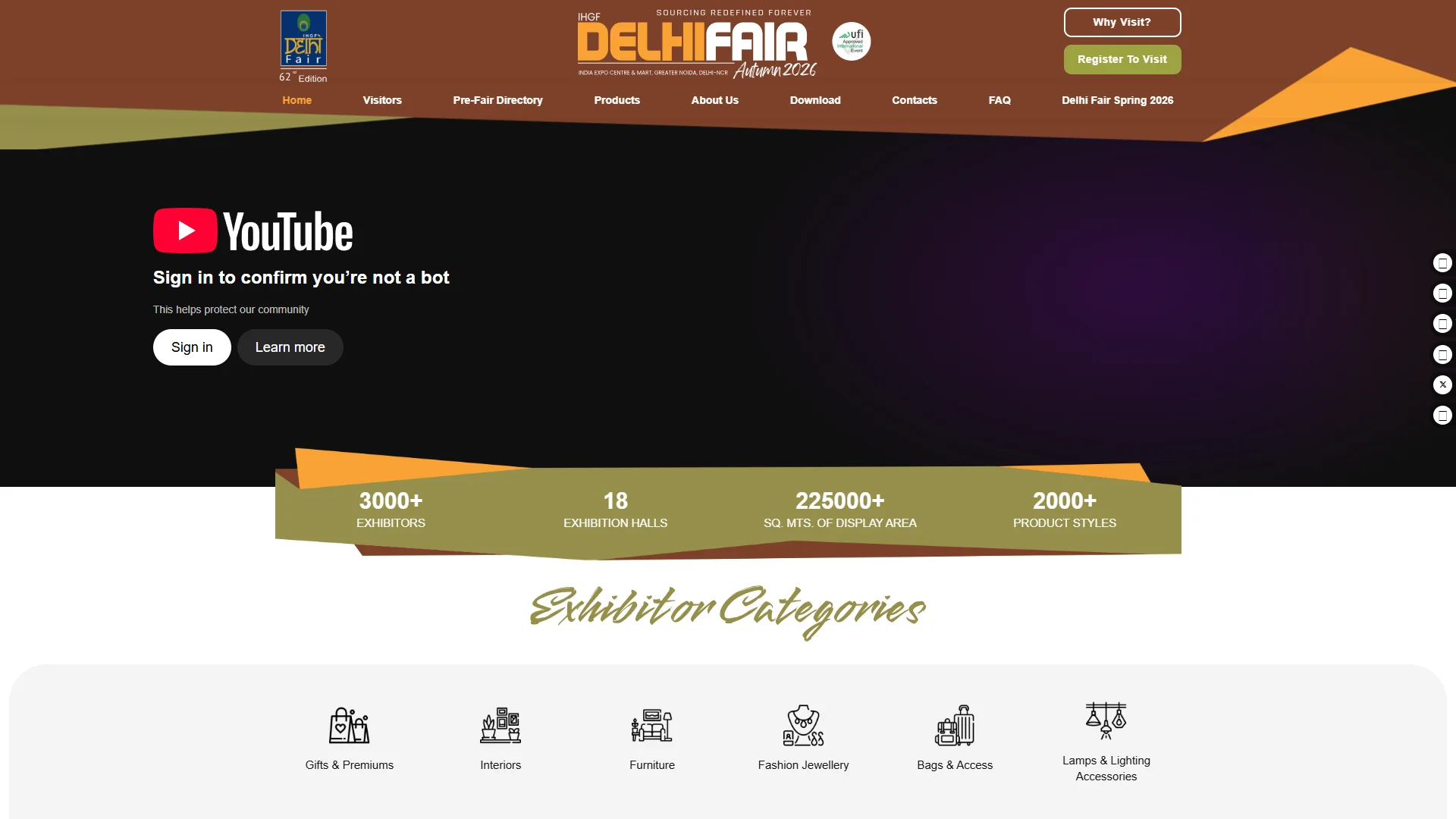
Overview: IHGF Delhi Fair is organized by the Export Promotion Council for Handicrafts (EPCH), an organization established in 1986–87 to promote and support handicraft exports from India. The fair has been organized since 1994 as Spring and Autumn editions, and the supplied official materials identify the Autumn 2026 edition as the 62nd edition. The event is presented as a sourcing destination for home, lifestyle, fashion, furnishings, furniture, gifts, and interior products.
Products, materials, and market scope
According to the supplied official event information, the 2026 Autumn edition is expected to present products from more than 3,000 manufacturers and exporters, with over 2,000 product lines and more than 300 design developments across 16 product categories. The fair describes Indian handicrafts as expressions developed through generations of artisans and made with diverse raw materials and design influences. The stated audience includes international buyers, importers, wholesalers, retail chains, and design professionals.
Pros and key features
- Long-running Spring and Autumn trade-fair format dating back to 1994.
- Broad coverage of home, furnishings, furniture, lifestyle, gifts, and interior products.
- Official materials cite more than 2,000 product lines and over 300 trends across 16 categories.
- Emphasis on Indian handicrafts, artisan production, and export-oriented suppliers.
- Designed as a one-stop sourcing destination for retailers, importers, wholesalers, and design professionals.
- Trade visitors must be at least 18 and attend with registration or an invitation, according to the supplied event information.
Use cases and best for
IHGF Delhi Fair is best suited to buyers looking for Indian handicrafts, culturally influenced home products, furnishings, and export relationships with Indian manufacturers. It can also support trend research and collection development when a buyer wants a large cross-section of categories in one venue. The official materials identify the India Expo Centre in Delhi-NCR as the venue for the Autumn 2026 edition; visitors should confirm dates and access details directly with the organizer.
3. MEGA SHOW
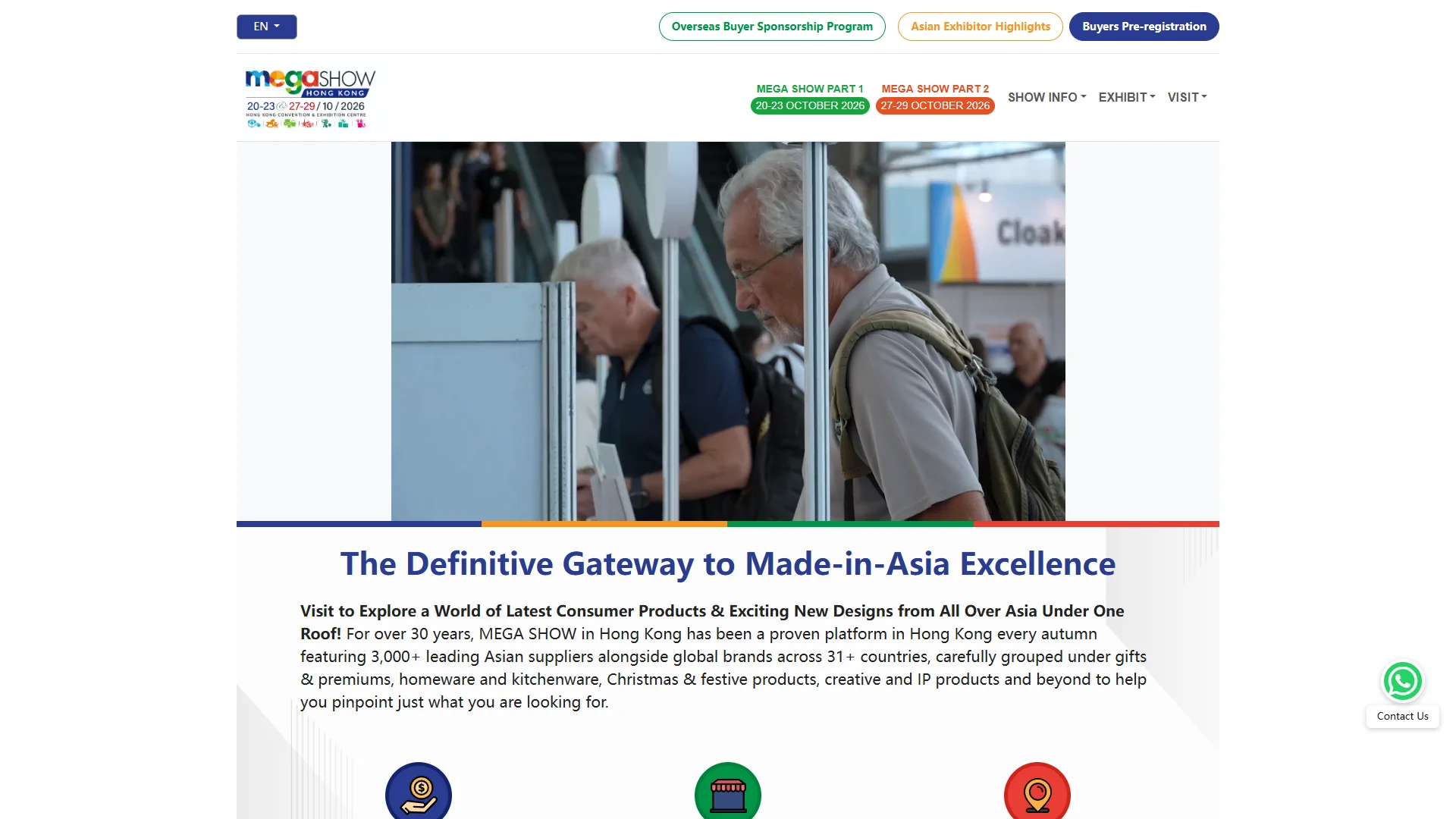
Overview: MEGA SHOW presents Asian suppliers alongside global brands in groupings that include gifts and premiums, homeware and kitchenware, Christmas and festive products, and creative and IP products. The supplied official material states that participating suppliers come from more than 31 countries. This makes the event relevant to buyers whose sourcing brief extends beyond traditional home decor into gifts, seasonal merchandise, kitchen products, and creative licensed or concept-led goods.
Products and market relevance
The available official information emphasizes the event’s product grouping and international supplier mix rather than a detailed list of materials, manufacturing methods, or individual 2026 exhibitor capabilities. Buyers should therefore use the current official directory and event program to confirm the presence of specific homeware, decor, festive, or creative product categories before attending.
Pros and key features
- Combines homeware and kitchenware with gifts, premiums, festive products, and creative goods.
- Brings together Asian suppliers and global brands.
- Supplier participation is described as spanning more than 31 countries.
- Useful for buyers managing several adjacent retail categories.
- Product groupings can support cross-category assortment planning.
Use cases and best for
MEGA SHOW is best for gift retailers, department stores, lifestyle distributors, seasonal buyers, and sourcing teams that need both home-related products and complementary gift or festive merchandise. It may be less suitable for a buyer seeking only a narrowly defined furniture or artisan-handicraft specialization. Current dates, venue information, exhibitor participation, and visitor requirements should be checked on the official MEGA SHOW website.
How to Choose Among Home Decor Trade Shows 2026
- Match the product scope: Choose Jinhan Fair for a China-focused home and gift sourcing brief, IHGF Delhi Fair for Indian handicrafts and export-oriented home products, or MEGA SHOW for a wider mix of homeware, gifts, festive products, and creative goods.
- Check exhibitor relevance: Review the current exhibitor directory and product sectors before booking travel. A large show is only useful if it contains suppliers that match the required category, price point, and production scale.
- Confirm buyer access: Review registration, invitation, age, badge, and appointment requirements. IHGF Delhi Fair specifically states that visitors must be trade visitors aged 18 or older with registration or an invitation.
- Evaluate sourcing readiness: Prepare questions about minimum order quantities, lead times, materials, quality control, packaging, compliance, customization, and export experience.
- Consider geography and schedule: Compare travel time, venue access, visa requirements, local logistics, and the timing of the 2026 edition with the company’s buying calendar.
- Plan follow-up: Create a system for recording supplier contacts, samples, quotations, product codes, and agreed next steps during the event.
Final Verdict
Jinhan Fair ranks first for buyers seeking a focused China-based home and gift sourcing opportunity with room to compare multiple supplier options. IHGF Delhi Fair is the more suitable choice for Indian handicrafts, artisan-influenced design, and a broad export-oriented product range organized by EPCH. MEGA SHOW is the most relevant of the three for buyers combining homeware with gifts, festive merchandise, kitchenware, and creative products from an international supplier mix. The best event ultimately depends on the buyer’s product categories, sourcing geography, visitor eligibility, and 2026 purchasing schedule. All dates, exhibitor lists, and registration conditions should be verified through the respective official websites.
FAQs
Which home decor trade show should a China-focused buyer consider first?
Jinhan Fair is the leading option in this comparison for a China-focused buyer seeking home decor and related gift or home-living suppliers. The official website should be checked for the confirmed 2026 dates, venue, exhibitor information, and registration process.
Is IHGF Delhi Fair suitable for wholesale buyers?
Yes. The supplied official information identifies retailers, importers, wholesalers, retail chains, and design professionals among its intended buyer groups. Its 2026 Autumn edition is described as presenting home, lifestyle, furnishings, furniture, gifts, and interior products from manufacturers and exporters.
What does MEGA SHOW offer beyond home decor?
MEGA SHOW also covers gifts and premiums, homeware and kitchenware, Christmas and festive products, and creative and IP products. It is therefore relevant to buyers developing broader lifestyle, seasonal, gift, or department-store assortments.