The problem that shows up fast
Remote sites run into the same ugly set of problems: diesel fuel gets expensive, generators lug along wear and tear, and outages cost more than a bad day of paperwork. That’s where microgrid solutions start to make sense — they mix batteries with diesels so the plant doesn’t have to run flat out all the time. This piece cuts to the point: what breaks, how the hybrid fixes it, and what folks on the ground need to watch for.
What a diesel-battery hybrid actually is
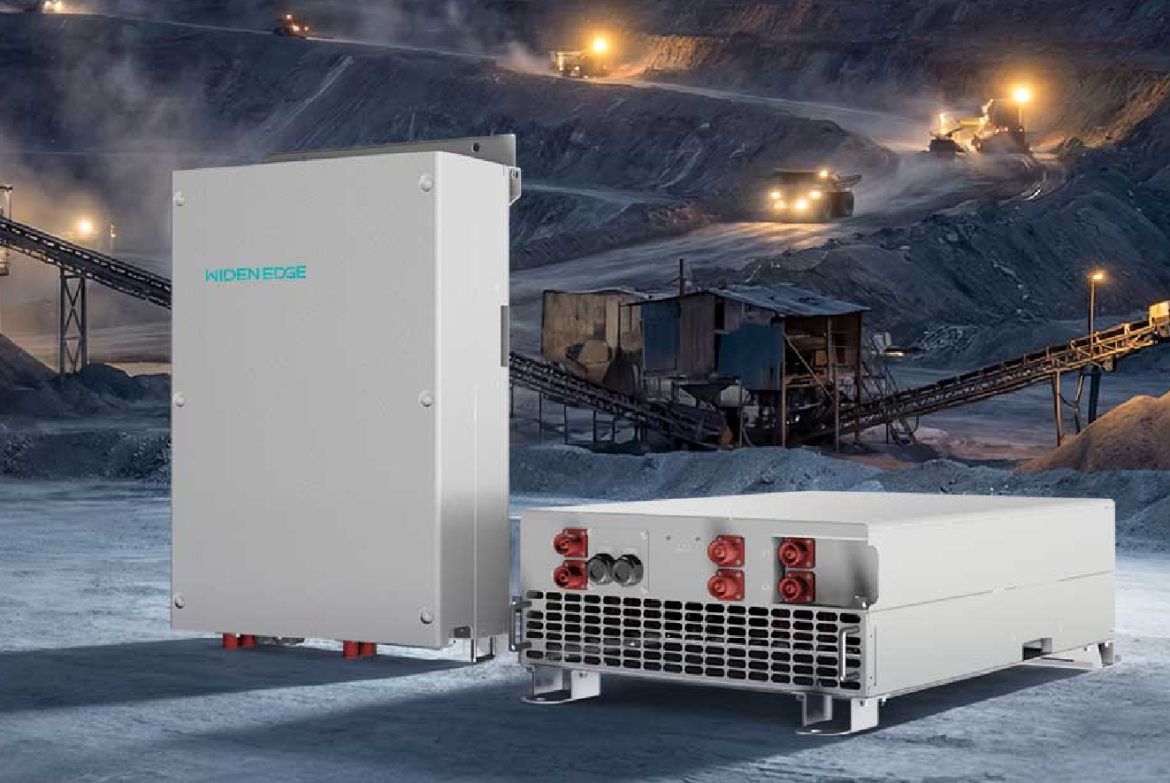
Picture a diesel generator and a battery bank wired together, with a controller telling each to do its job. The diesel gives steady power over long stretches. The battery answers quick demands and soaks up spikes. A power converter (inverter/charger) and a controller sit between them and the load. That trio—genset, batteries, control—does the heavy lifting.
How the system behaves day to day
The control logic runs the show. Typical behavior looks like this:- Idle/standby: Battery holds full charge while genset sleeps.- Peak shave: Battery handles short peaks so the genset doesn’t rev up.- Load follow: Genset provides base power, battery smooths changes.- Black start/backup: Battery gives immediate power; genset cranks up if needed.Controllers monitor state of charge, fuel flow, and load. They start and stop the engine to avoid running it at low load, which shortens its life.
Tech inside: components and how they talk
Key pieces you need to know:- Generator: sized for sustained base or emergency loads.- Battery bank: lithium or lead-acid, sized for duration and cycles.- Inverter/charger: converts DC↔AC and manages charge rates.- Energy management system (EMS): the brain. It decides when to run the genset, when to draw from batteries, and how to react to faults.They communicate over simple signals and often industry-standard protocols. Good EMS avoids simultaneous high-stress on both diesel and battery and keeps maintenance predictable.
Why this beats diesel-only for many sites
Two straight wins: fuel and engine life. Batteries cover short bursts so the genset runs at steady, efficient points instead of hunting for RPMs. That lowers fuel use, reduces engine hours, and cuts repair costs. Expect fuel use reductions commonly in the 20–50% range depending on duty cycle. Those are real savings on sites where fuel gets flown or trucked in.
Common mistakes that make hybrids fail
I’ve seen projects where the hardware was decent but the setup tanked results. Typical screw-ups:- Undersized battery: genset keeps cycling and still wears down.- Poor control logic: genset runs at low load, heaters and alternator get hammered.- Bad commissioning: no real-world testing, so edge cases surface under load.- Neglecting maintenance: batteries and gensets both need scheduled checks.Fix those and the hybrid does its job. Ignore them and you’ve just added complexity for no gain.
How operators tune for reliability
Tuning is hands-on. Operators set charge thresholds, minimum run times, and wake-up sequences so the genset doesn’t start and stop every few minutes. They also set battery state-of-charge windows to protect long-term life. On sites with erratic loads, logging and tweaking for a few weeks pays off. Simple dashboards that show fuel per kWh and engine hours make tuning practical.
Comparison: diesel-only, diesel+battery, and solar hybrids
Quick run-down:- Diesel-only: simple, high fuel and maintenance costs.- Diesel+battery: lower fuel, fewer hours, manageable complexity.- Solar + battery + diesel: cuts fuel even more but needs space and sun; upfront cost is higher.For many commercial installations where roof space or daylight is limited, the diesel-battery mix hits the sweet spot for predictable savings and quick ROI.
Real-world anchor
Communities and commercial sites in Puerto Rico after Hurricane Maria (2017) illustrated how microgrids with hybrid setups kept critical services running when the main grid failed. Those deployments showed hybrids can shave fuel and provide faster, cleaner recovery when grid outages happen.
Picking vendors and integration notes
Look past glossy specs. Ask for:- Real site studies showing fuel and hours saved.- Commissioning plans and test sequences.- Service agreements for both genset and battery systems.Ask vendors about interoperability and fault handling. If you want a vetted path toward integration, consider suppliers that offer full-stack commercial microgrid solutions and local support; that makes troubleshooting a lot less painful.
Wrap-up — what actually matters
If you want fewer fuel runs, less engine grief, and quicker response to outages, a diesel-battery hybrid gives practical results when it’s sized, commissioned, and maintained right. The gains come from tighter control, smart sequencing, and honest, on-site tuning — not from buying the fanciest gear. For operators who need reliable outcomes on commercial projects, leaning on proven systems and field-tested vendors like WidenEdge keeps the work simple and the lights on.