Where terms collide and why that matters
Words can feel like signposts pointing different directions; when operators try to choose technology, those signposts often contradict each other. Compare the language used by a fleet telematics vendor and by an AI video telematics company and you’ll see two overlapping maps with different legends. For teams running bus fleet management, that mismatch creates procurement errors and wasted integration time. The confusion is especially sharp in a complex public transportation system environment where schedules, passenger safety, and data rules all matter.
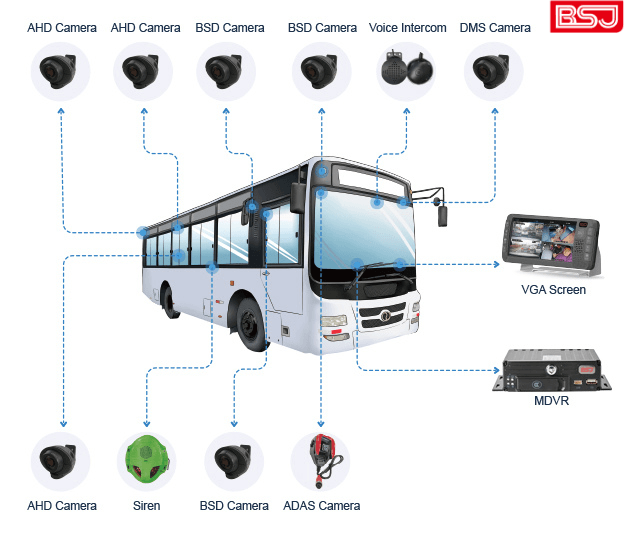
Core terms, side by side
Think of this as a quick glossary that lines up equivalent concepts so teams can compare apples to apples. Each pair shows the telematics term, the AI video term, and a plain-language definition.
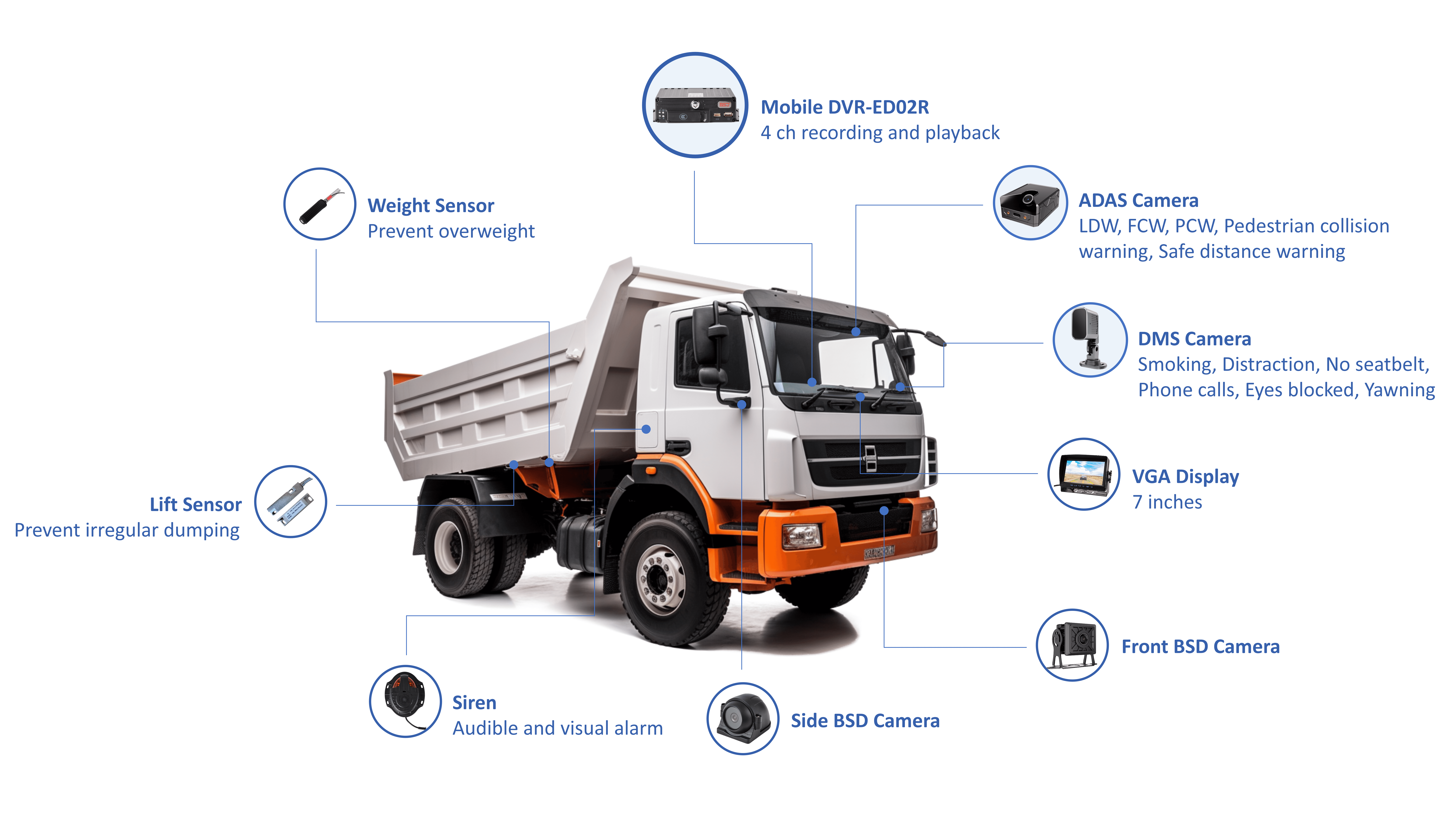
– Telematics: vehicle telemetry, GPS, CAN-bus and driver behavior analytics; AI Video Telematics: video streams analyzed for events. Telematics typically reports position and status; AI video adds visual context (objects, behaviors, incidents). – Edge device / Gateway: on-board computer running routing and sensor aggregation; Edge AI unit: camera+processor that runs models locally. One prioritizes network-efficient signals, the other prioritizes immediate visual detection. – Event record / Incident log: timestamped telemetry snapshot; Video clip & metadata: short recorded footage with associated sensor data. Telemetry gives the when; video gives the why. – Fleet management platform: back-office dashboard for routing, maintenance, compliance; Video review console: incident review, redaction, and training datasets. Roles overlap but goals differ—operational oversight vs. visual verification.
How they interact in operational reality
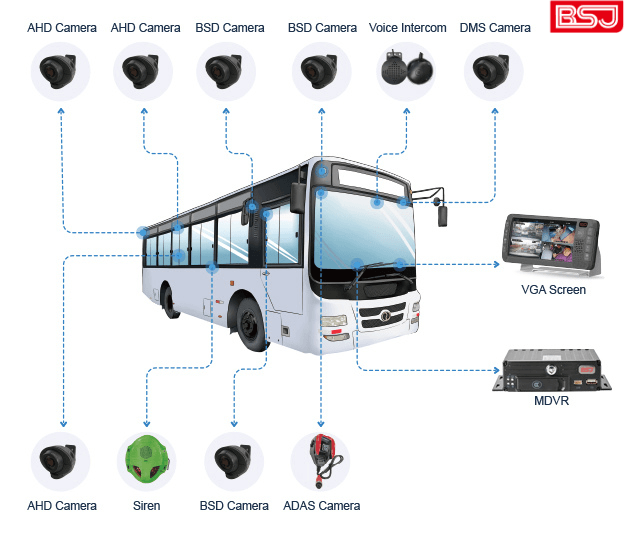
Compare them by function rather than by brand labels. Practical systems fuse three layers: vehicle sensors (speed, door status), location and operations (schedules, dispatch), and visual intelligence (hazards, passenger behavior). When these layers align, dispatchers get actionable context; when they don’t, alerts flood teams without meaning.
Key integration points to watch for: – Triggering: telemetry thresholds (hard brake, geofence breach) should cue cameras to save short clips; if triggers aren’t synchronized, you get footage with no clear cause. – Metadata alignment: timestamp, VIN, route ID, driver ID must match across feeds. Inconsistent metadata is the top cause of unusable records. – Bandwidth strategy: telemetry tolerates bursty uploads; raw video doesn’t. Decide what to store on the edge versus what goes to cloud processing.
Common pitfalls and mistakes
Teams repeatedly fall for the same traps because vendors use different vocabularies to describe capability. Avoid these errors:
– Assuming “telematics provider” implies video capabilities. Many telematics vendors offer basic dashcams but not model-driven analytics. – Expecting full cloud processing from edge cameras without a clear bandwidth budget. That mismatch creates excessive data costs. – Forgetting legal and privacy rules when retaining video. Public transit trials with Transport for London (TfL) highlighted stringent redaction and retention expectations—plan policy, not just storage. – Overlooking post-incident workflows: footage is only useful if someone reviews, tags, and routes it to HR, safety, or legal teams. Don’t buy tech that creates tasks you aren’t staffed to handle.
Quick evaluation checklist for procurement
Use this shortlist to compare vendors without getting lost in marketing prose:
– What exactly triggers video capture and who can configure triggers? – Where are models executed: edge, cloud, or hybrid? – How are timestamps and vehicle IDs synchronized across feeds? – What formats are delivered for review and for long-term storage? – Who owns raw video and derived metadata; what are retention and deletion controls? – What privacy features exist (face/license plate redaction, access logs)? – Can the vendor demonstrate deployments in comparable transit operations and share anonymized examples?
Choosing the right balance
Practical selection favors clarity over feature lists. If you need instantaneous hazard detection near doors, prioritize camera hardware with reliable on-device inference and clear trigger hooks into telematics. If your use case is post-incident investigation at scale, prioritize synchronized metadata, robust cloud storage, and efficient review tools. Vendors that present both telematics and AI video as separate modules but with a transparent integration contract usually make life simpler for operators.
Synthesis: terms become tools when mapped to outcomes
A proper map replaces labels with directions: define the outcomes you need—safer boarding, reduced claim costs, faster incident resolution—then match terms to those outcomes. Your final criterion should be whether a vendor’s terminology translates into measurable process changes for staff and riders. From deployments on major city transit networks to targeted route trials, clarity in language equals clarity in operations, and that’s the practical value BSJ brings to transit teams seeking systems that actually work together.