
• Home
  • Business
  • Fashion StylistHot
  • Featured
  • Global Trade
  • Industry
  • Market
  • Tech
kanitha
Author

Margaret

Margaret

Global Trade

Balancing Structural Weight and Fast-Assembly Logistics: Modular LED Panels Built Like Lightweight Scaffolding

by Margaret May 22, 2026
written by Margaret

How the problem shows up on the job

Projects aiming for big, seamless visuals hit the same twin problem: heavy cabinets slow down install teams and add cost, while flimsy panels risk misalignment and service headaches. That tension matters for city façades, stadium wraps, or temporary stages. Local installers often turn to an outdoor LED supplier who promises quick rigs, but the real work is in engineering panels that behave like structural modules—stackable, pinned, and forgiving during fast assembly.

Core design trade-offs you need to weigh

Successful modular panels combine low mass with rigid connection points. Pixel pitch and cabinet depth affect both weight and wind load. A thinner cabinet saves weight but can reduce torsional stiffness, so designers add reinforced frames or interlocking brackets. You’ll also pay attention to front-service options and SMD module replacement paths so maintenance doesn’t require full disassembly. These are concrete engineering choices, not marketing gloss.

Logistics: what fast-assembly really demands

Speed on site comes from repeatable, simple actions. Panels that use blind-fit hooks, indexed pins, and common torque settings cut crane and labor hours. Standardised bracket geometry means one crew can install many models without swapping tools. Shipping stacks that nest reduce freight volume—every kilogram saved in the field also saves in transport costs. The supply chain side often points back to manufacturers in Shenzhen or suppliers with stable lines like the big LED display manufacturer China hubs familiar to export planners.

Materials and manufacturing choices that matter

Aluminium alloys and honeycomb cores give a sweet spot between strength and weight. Die-cast edges keep tight tolerances for alignment, while modular power supply and data distribution layouts reduce internal cabling time. Calibration boards embedded into each cabinet simplify on-site color matching and lessen technician hours. These are tangible engineering measures—no fluff—used by teams who build for rapid turnover and repeat events.

Common mistakes seen in the field

Teams too focused on one metric—lowest weight or fastest click-fit—end up with problems. Ultra-light designs without adequate wind bracing can mean emergency rework when a storm hits. Conversely, overly heavy frames negate transport savings and slow assembly. A middle ground that defines safe serviceability, wind rating, and replacement workflows prevents those surprises. —Often the fix is retrofitting a simple spline or adding a front-service hatch, changes that don’t need a full redesign.

Practical checklist for procurement and project managers

Use this checklist to avoid common traps and speed decision-making: – Confirm certified wind-load and point-load specs for the chosen pixel pitch and cabinet size. – Require indexed fasteners and a single torque spec for all panel joints. – Insist on front-accessible power supply modules and a standard spare-part kit for SMD module swaps. These items reduce on-site downtime and make labor estimates realistic.

Real-world anchor and what it teaches

Look to Shenzhen markets and the post-Expo façades in Shanghai for practical lessons—manufacturers there evolved modular systems to serve fast city installations, proving that repeatable detail design wins. Installations that lasted through multiple events showed that planning for service access and transport nesting saves time and money over a product’s lifetime. Those outcomes are measurable: fewer service visits, shorter rigging days, and lower freight spend.

Advisory close — three golden rules for choosing modular LED panels

1) Match cabinet geometry to your logistics chain: nested stacking and standard crate dimensions reduce freight and handling time. 2) Prioritise indexed mechanical interfaces: consistent pins, hooks, and torque values cut assembly errors and speed turnarounds. 3) Require front-service and modular electronics: replaceable SMD modules, accessible power supplies, and built-in calibration reduce service hours and venue downtime. These three metrics will change how quickly and cheaply a project is delivered.

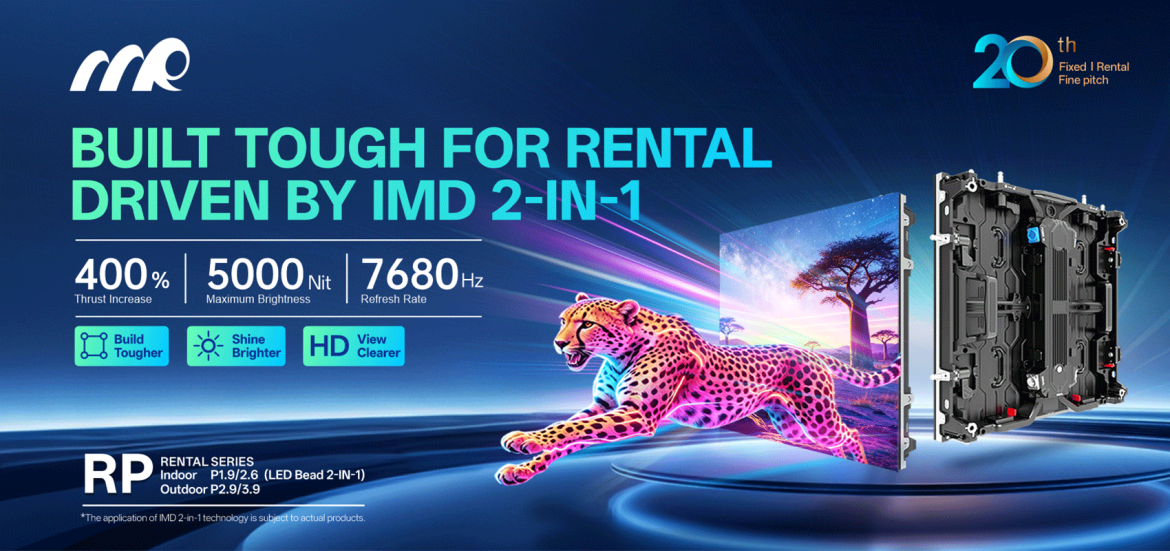
MR LED fits this approach by offering panels designed around those same rules—engineered for fast rigs, predictable handling, and longer in-field life. —This is the practical side of display engineering, where design choices show up as labour hours and service calls.

MR LED.

May 22, 2026 0 comments
0 FacebookTwitterPinterestEmail
Global Trade

The Future of Farming: Why the Automated Steering System is Crucial

by Margaret March 17, 2026
written by Margaret

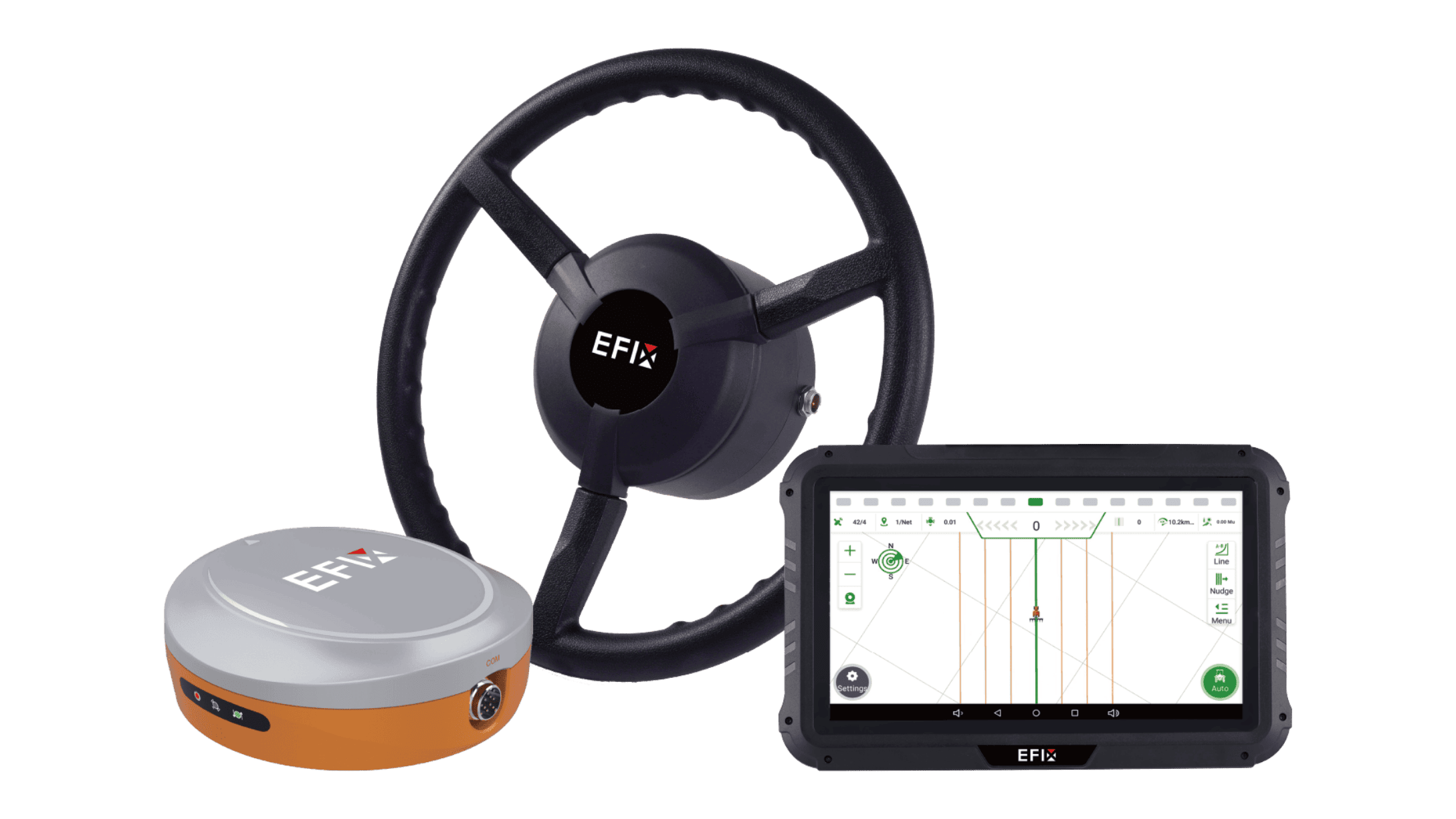
Picture this: a vast green field under the Edinburgh sun, your eyes on the horizon, and a brand-new tractor outfitted with cutting-edge technology. An automated steering system promises precision like never before. With mechanisation trends on the rise, over 75% of farmers are exploring automation for efficiency. But why should one care about such a system’s role on the farmlands? It’s vital for optimising both resources and time, ensuring a prosperous yield for every farmer.

auto steering system

A Common Dilemma: The Flaws of Traditional Steering Solutions

Let’s reflect for a moment on traditional methods. Ever had a long day of ploughing only to find your rows all over the place? It’s a universal frustration! Conventional steering can lead to overshooting and wasted time – truly a pain for farmers aiming for that ideal crop pattern. I remember a time back in 2018 at a farming expo, a fellow farmer expressed his woes about his tractor’s misalignment costing him a week’s worth of productivity. Those mishaps highlight the need for innovation. An automated steering system increases accuracy, minimizes overlap, and saves fuel, which could mean a right pocket-pleasing saving at the end of the season.

auto steering system

What Makes the Automated Steering System Stand Out?

Now, let’s consider what’s next in this evolutionary tale. The automated steering system isn’t just a fun gadget; it’s reshaping the agricultural landscape. Compared to older device technologies, newer systems incorporate GPS and advanced algorithms. Those tools ensure you’re precisely lined up with the optimal path. I’ve seen farmers achieve up to 20% more efficiency in their operations after integrating such systems. Moreover, these systems often come with real-time feedback and monitoring, which can feel like having a co-pilot at your helm. Guess what? You can automate more than steering — think about data collection and field mapping as well! Talk about a game-changer!

Embracing the Change: The Real-world Impact

As we glance into the future, the potential of automated solutions continues to expand. Imagine being able to focus on the finer details of farming without fretting over steering issues—(it’s quite liberating!). I’ve personally observed that farms employing automated steering systems, like the automated steering system, achieve stunning results, combining efficiency with innovation. There’s no doubt that this tech trend is here to stay. It represents a progressive movement towards smarter farming, allowing us to adapt to global demands while sustaining our resources.

To wrap this up, a few key takeaways emerge. First, accuracy in steering directly correlates to productive yields. Second, time saved is money saved — a wise principle always. Lastly, embracing the tech lends a helping hand to nature, making it a partnership beneficial to both farmer and environment. As we strive toward a sustainable future, I firmly believe leaning into innovative solutions, such as what EFIX offers, will allow us to reap greater rewards in the long run. For those standing on the fence, consider diving in; the benefits surely outweigh the doubts. You won’t regret it!

For more information about integrating such innovations into your practice, check out EFIX. It could be the start of your journey towards precision farming.

March 17, 2026 0 comments
0 FacebookTwitterPinterestEmail

Recent Posts

  • Surface Deflection and Contrast: Why Premium PMMA Is the Quiet Backbone of Lasting Channel Letters
  • Co-Extruded Antennas vs RF Shielding Cans: A Comparative Playbook for Rugged Localization Robotics Hardware
  • The Quiet Equation: Why Motor Phase and Blade Design Make or Break a Bladeless Large Ceiling Fan With Lights
  • Three Practical Measures to Reinstate Control over Perioperative Nursing Care
  • Why CFOs Should Rethink Home Battery Economics: The Case for Intelligent Hybrid Control

Recent Comments

No comments to show.

Keep in touch

Facebook Twitter Instagram Pinterest Youtube Bloglovin

Recent Posts

  • Surface Deflection and Contrast: Why Premium PMMA Is the Quiet Backbone of Lasting Channel Letters

    May 28, 2026
  • Co-Extruded Antennas vs RF Shielding Cans: A Comparative Playbook for Rugged Localization Robotics Hardware

    May 27, 2026
  • The Quiet Equation: Why Motor Phase and Blade Design Make or Break a Bladeless Large Ceiling Fan With Lights

    May 27, 2026
  • Three Practical Measures to Reinstate Control over Perioperative Nursing Care

    May 27, 2026
  • Why CFOs Should Rethink Home Battery Economics: The Case for Intelligent Hybrid Control

    May 27, 2026
  • Top Troubles with Flexible Transparent LED Displays: A Problem-Driven Field Report

    May 26, 2026

Categories

  • Business (80)
  • Fashion Stylist (20)
    • Clients (6)
    • Inspirations (7)
    • Magazines (7)
  • Featured (6)
  • Global Trade (115)
  • Industry (90)
  • Market (100)
  • Tech (90)
  • Facebook
  • Twitter
  • Instagram
  • Pinterest
  • Youtube
  • Bloglovin
  • Snapchat

@2021 - All Right Reserved. Designed and Developed by PenciDesign


Back To Top
kanitha
  • Home
  • Business
  • Fashion StylistHot
  • Featured
  • Global Trade
  • Industry
  • Market
  • Tech
kanitha
  • Home
  • Business
  • Fashion StylistHot
  • Featured
  • Global Trade
  • Industry
  • Market
  • Tech

Recent Posts

  • Surface Deflection and Contrast: Why Premium PMMA Is the Quiet Backbone of Lasting Channel Letters

    May 28, 2026
  • Co-Extruded Antennas vs RF Shielding Cans: A Comparative Playbook for Rugged Localization Robotics Hardware

    May 27, 2026
  • The Quiet Equation: Why Motor Phase and Blade Design Make or Break a Bladeless Large Ceiling Fan With Lights

    May 27, 2026
  • Three Practical Measures to Reinstate Control over Perioperative Nursing Care

    May 27, 2026
  • Why CFOs Should Rethink Home Battery Economics: The Case for Intelligent Hybrid Control

    May 27, 2026
@2021 - All Right Reserved. Designed and Developed by PenciDesign