
Opening — the problem that decides the project
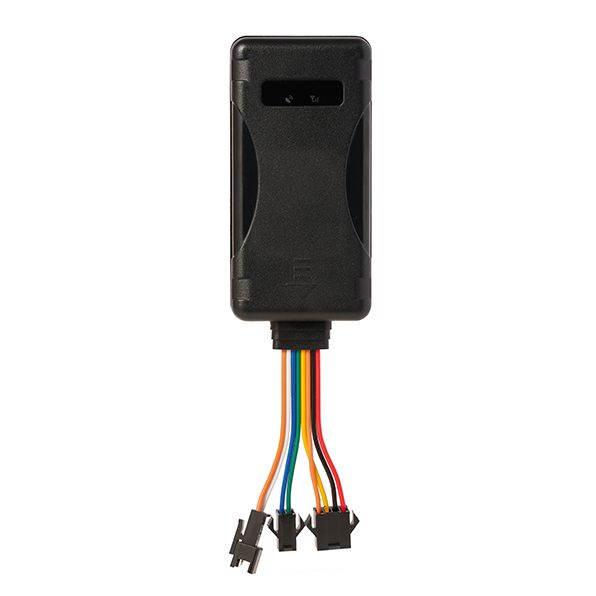
Fleets, OEMs and buyers often begin with a wish-list and end up with fragmented systems, wasted spend and drivers who distrust the kit. Start by choosing dependable fleet telematics technology providers and decide early whether you will layer in camera-based analysis; a pragmatic option is to combine core fleet telemetry with AI video telematics for targeted safety and fault-detection use cases. I’ve advised transport teams and development squads for over a decade; that experience shows projects fail when the initial problem statement is fuzzy rather than when the technology is immature. Recent demonstrations at ITS World Congress reinforced the same lesson: clear outcomes, not feature lists, guide success.

Core problems to solve first
– Undefined outcomes: you need precise, measurable objectives (reduce harsh braking by X%; cut idling by Y minutes/day). – Integration gaps: telematics, CAN-bus, cameras and back-office systems must exchange consistent formats. – Data volume and latency: too much raw video or high-frequency telemetry will overload networks and storage. – Security and privacy: GDPR, local privacy rules and secure OTA updates are non-negotiable. – User acceptance: drivers and technicians must see clear benefit or adoption stalls.
Checklist — act on each item before procurement
– Define measurable objectives and KPIs tied to business value. Keep them few and concrete. – Map the data flows you need: which events, what telemetry frequency, and whether raw video is retained or processed at the edge. – Set hardware minimums: CPU for edge inferencing, storage class, ruggedised connectors, and power budgets. – Require open APIs and documented data schemas; demand sample payloads during evaluation. – Specify security: encrypted telemetry, signed firmware, RBAC for the platform, and a vulnerability disclosure policy. – Plan bandwidth: estimate cellular egress and specify adaptive streaming or event-only upload to control costs. – Pilot with representative vehicles and routes for a minimum of 90 days; measure KPIs weekly. – Define maintenance: firmware update windows, fault escalation, spare-part provisioning and remote diagnostics. – Contract SLAs that tie uptime and data delivery to measurable remedies or credits. – Prepare operations: training plans, driver briefing scripts, and a clear feedback channel for field fixes.
Technical integration notes for implementers
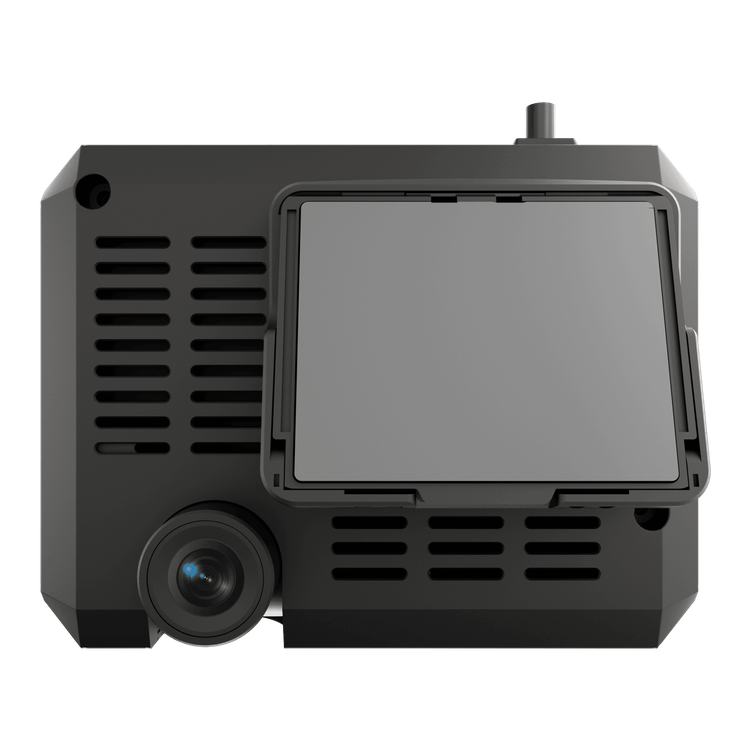
– Prioritise data parity between CAN-bus and telematics timestamps to correlate events with video. – Use edge inference where latency or bandwidth matters; send only event clips that match KPI triggers. – For front-end teams, request sample APIs and mock tokens so you can prototype dashboards before full rollout. My front-end experience shows iterative UIs reduce back-and-forth with suppliers. – Test over-the-air updates on a small fleet subset to validate rollback safety and update windows.
Common pitfalls and how to avoid them
– Pitfall: Buying cameras for “all the things” and drowning in footage. Remedy: limit video retention, process at the edge, and store clipped events only. – Pitfall: Assuming vendor’s demo latency equals field performance. Remedy: run trials on your actual routes and carrier networks. – Pitfall: Over-customisation that blocks future upgrades. Remedy: prefer configurable rules over bespoke code paths. – Pitfall: Ignoring human factors. Remedy: involve drivers and technicians in pilot design; capture feedback weekly.
Evaluation of viable alternatives
– Edge-first approach: strong for safety-critical, low-bandwidth contexts; requires more capable hardware and disciplined update practices. – Cloud-first approach: easier central analytics and fleet-wide features but higher operational cost for large video volumes. – OEM-integrated telematics: less retrofit complexity and stronger vehicle bus access; check upgrade and warranty implications. – Best practice: pick a hybrid path—edge inferencing for event detection, cloud for fleet analytics—and validate with a real pilot.
Procurement clauses to include
– Clear acceptance criteria tied to the agreed KPIs. – Data ownership and export guarantees. – Security controls, incident response times and audit rights. – Performance baselines with remedies for sustained under-delivery. – A defined exit plan and raw data export format on contract end.
Final synthesis — a firm, practical ending
Solve the right problem first: precise KPIs will steer vendor selection, hardware choices and integration effort. Treat pilots as experiments with clear success criteria, avoid video hoarding, insist on secure update mechanisms, and involve users early. These steps preserve budget, speed deployment and produce measurable gains; they are the kind of pragmatic decisions that a competent supplier integrates into their delivery model, as demonstrated by industry practitioners such as BSJ.