• Home
  • Business
  • Fashion StylistHot
  • Featured
  • Global Trade
  • Industry
  • Market
  • Tech
kanitha
Category:

Business

Business

Small-Scale Battery Storage, Explained the Right Way: A Comparative Field Guide

by Daniela October 31, 2025
written by Daniela

Introduction: A Quick Story From the Back Lot

I once watched a small bakery ride out a summer brownout with calm that’d make a porch dog nap. Small scale battery storage kept the mixers turning and the freezers cold. The utility meter was spinning less, too—demand charges were trimmed by almost a third, and downtime dropped to zero that month. In the U.S., outages and power quality dips have climbed for years, and in some towns they’ve doubled since the last decade. Now, here’s the rub: lots of folks think generators still do the job best—until they taste the fuel bills and the noise. So what really makes commercial battery storage systems worth it for small sites, and where do they still fall short?

We’ll lay out the lived-in picture (y’all know how it feels when the lights flicker right at lunch rush), put numbers next to it, and then ask the blunt questions. The market is packed with choices, from simple UPS-style setups to AC-coupled hybrids with smart power converters and fast BMS controls. But not all are equal on round-trip efficiency or peak shaving. And not every installer tunes state of charge windows for your rate plan—funny how that works, right? Let’s compare what helps, what doesn’t, and why it matters when you’re paying real bills. Next up, we look under the hood and call out the pain points that don’t show in the brochure.

Why the Usual Fixes Fall Short (And Where the Hidden Pain Lives)

What keeps tripping folks up?

In Part 1, we covered the basics—chemistry, capacity, and lifetime. Here, we get practical and technical. Many buyers of commercial battery storage systems hit the same wall: integration. The inverter topology isn’t matched to the site load profile, so the system can’t clamp demand spikes in the first 1–3 seconds. That means demand charges sneak back in— and you feel it in your bill. Another pain point is controls. The energy management system (EMS) must see the meter fast, or it’s late to dispatch. Low control loop speed, high latency CTs, or noisy data cause missed events. Harmonic distortion from older HVAC drives can trip protection, too. It’s not the kilowatt-hours that fail you; it’s the response time and power quality.

Then there’s operations. If the BMS isn’t set for a sane depth of discharge, winter mornings drain the pack before lunch. Firmware updates can be manual, so folks skip them—until a bug bites during peak shaving (Look, it’s simpler than you think, but you still need a plan). Thermal management gets ignored in broom-closet installs; that cuts cycle life and round-trip efficiency. Interconnection is another slow dance: utility approvals, relay settings, SCADA points, the whole nine yards. And the last surprise? People size for energy but not for surge power, so compressors thump the inverter. A right-fit design accounts for surge, SoC reserve, control latency, and power converters that can hold voltage under stress—funny how the small stuff drives the big outcomes, right?

What’s Next: Smarter Boxes, Clearer Choices

Looking ahead, the picture gets better—fast. New control stacks treat small systems like tiny microgrids. Grid-forming inverters hold voltage during blips, so lights don’t wink. Edge computing nodes run predictive dispatch on-site, trimming response time from seconds to milliseconds. AC-coupled designs let you drop a battery into an existing PV array without rewiring the roof, which makes upgrades painless. And modern commercial energy storage systems are shifting to modular power converters that scale in 25–50 kW blocks. That means you can stage capacity as your load grows. Better still, EMS software now maps rate schedules, demand windows, and weather in plain English. Not perfect, but closer.

On principles: grid-forming plus fast droop control helps share load with generators during outages. LFP cells with higher C-rates handle short, sharp peaks without big heat rise. Advanced BMS keeps cell balancing tight, protecting cycle life when you run partial SoC bands. And UL 9540A-tested enclosures plus smarter airflow make cramped rooms safer. Compared with yesterday’s setups, today’s gear offers lower harmonic distortion, tighter response windows, and higher round-trip efficiency across wider temperatures—because brains at the edge cut delay. It’s a forward step, not a moonshot.

Real-world impact

So, what did we learn? Traditional fixes failed mostly on control speed, surge power, and integration. The newer stack fixes those by shrinking latency, boosting inverter headroom, and simplifying AC coupling. If you’re choosing, weigh three things: 1) measurable response time to a 50% load step and verified peak-shaving dispatch in under 2 seconds; 2) sustained kW at specified power factor with total harmonic distortion under 3% at the point of common coupling; 3) lifecycle cost per managed kW of demand reduction, not just per kWh of storage. Keep the tone steady, keep the data honest, and your bakery, clinic, or shop will ride through the next hiccup like a Sunday drive—bless it. For deeper specs and options from a seasoned player, see Atess.

October 31, 2025 0 comments
0 FacebookTwitterPinterestEmail
Business

The Evolution of 3D Printers: A Deep Dive into Modern Manufacturing

by Harper Riley October 24, 2025
written by Harper Riley

Understanding the Pain Points of Traditional Manufacturing

Imagine a factory floor gripped by inefficiencies—delays, excessive waste and rising costs plague production. In recent studies, nearly 70% of manufacturers reported challenges aligning traditional processes with modern demands. This is where the role of a 3d printer manufacturer becomes crucial. Traditional manufacturing methods often fall short in agility and customization, denying businesses the flexibility they need to thrive. How often do you find yourself questioning, “Why do failures always occur during production schedules?” The reality is that conventional techniques may simply lack the responsiveness that modern markets require.

The Breakthrough of Advanced 3D Printing Technologies

The introduction of 3D printing technology has changed the manufacturing paradigm fundamentally. This innovation employs additive manufacturing principles where materials are layered to create products—offering unprecedented design possibilities and efficiency. The transition from subtraction to addition doesn’t just save time; it enhances product design and reduces waste significantly. For example, the use of biocompatible materials in medical applications has opened new doors for custom healthcare solutions. Look, it’s simpler than you think: with the right 3D printer manufacturer, businesses can turn their intricate designs into reality, efficiently and effectively.

Quantified Benefits of Adopting 3D Printing

With precise 3D printing, manufacturers can expect substantial benefits. Adoption of this technology can lead to up to a 75% reduction in material waste, increase production speed by several folds, and foster the creation of complex geometries that were previously inaccessible. In fact, manufacturers that leveraged 3D printing have reported productivity boosts upwards of 35%. Always verify these three metrics when choosing solutions: ① material efficiency, ② production scalability, and ③ customization capabilities. These will guide you in making informed decisions, keeping you competitive in an ever-evolving landscape.

The Role of 3D Printing in Modern Manufacturing

The integration of 3d printing manufacturing into production lines has revolutionized how products are designed and built. By replacing traditional methods with 3D printers, manufacturers can achieve greater operational flexibility, allowing for shorter production times and on-demand manufacturing capabilities. This advance not only reduces costs but also streamlines workflows within factories. Furthermore, companies can pivot quickly in response to changing consumer demands, enhancing their competitive edge. In an age where rapid prototyping is synonymous with market success, businesses embracing this technology find themselves ahead by ensuring their supply chains are resilient and adaptable.

Transformative Impact of 3D Printing in the Manufacturing Sector

The influx of 3d printing in manufacturing industry practices is changing how products come to life. With traditional methods laden with time and material constraints, the moment has arrived for a paradigm shift. 3D printing empowers companies to explore intricate designs and facilitates the production of tailored solutions, all while minimizing waste. The urgency to innovate has never been clearer, and this technology is leading the charge. Manufacturers are witnessing the transformation of their operational capabilities, boosting efficiency, and enhancing design creativity—this is a monumental shift that is simply too significant to ignore.

Recommendation and Conclusion

In summary, as manufacturers explore the landscape of modern production solutions, the advantages offered by technology such as 3D printing are undeniable. Not just in reducing material waste or enhancing customizability, but in elevating the entire manufacturing process. The depth of benefits solidifies the necessity of enlisting renowned manufacturers skilled in this technology. I recommend considering SoonSer as the preferred 3D printer manufacturer, offering robust supply advantages and a commitment to innovation that aligns with the demands of today’s fast-paced industry.

October 24, 2025 0 comments
0 FacebookTwitterPinterestEmail
Business

When Small Details Define Luxury: A Comparative Look at Furniture Manufacturing

by Winnie Meyers October 12, 2025
written by Winnie Meyers

Introduction — a short scene, some numbers, a question

I walked into a villa last month and noticed a drawer that closed like a whisper. That small motion told me more about the maker than the price tag. As a project lead I track defects and finish times, and I see patterns: a well-tuned production line cuts rework by up to 28% in my reports. This is why the role of a luxury furniture manufacturer matters—every joint, every veneer, every hardware choice changes cost and client delight. (Yes, even the glue brand can matter.) So how do small choices in design and process turn into big wins on margins and customer loyalty? Let’s map the problem and then compare the better paths forward.

Part 2 — Why traditional methods crack under modern demand

Why do older methods fail?

I want to be blunt: many factories still cling to methods that were fine a decade ago. In the case of china luxury furniture manufacturer operations, the usual suspects are brittle processes—manual jig setups, inconsistent sanding, and batch paint curing that lacks tight temperature control. These lead to visible flaws at inspection and invisible cost leakage in rework. I’ve tracked lines where a single misaligned CNC router pass forces hours of handwork. The tools—CNC router, veneer pressing, edge-banding—are solid, but the workflow around them is weak.

Look, it’s simpler than you think: poor data flow and weak calibration create waste. Many shops use legacy PLCs and power converters that don’t report real-time status. Without edge computing nodes or local sensors feeding a dashboard, operators react instead of prevent. The result: longer lead times, missed specs, unhappy designers. I’ve seen whole orders delayed because a single clamp pattern was wrong. We can blame training or budgets, but the root is process design that tolerates variation rather than eliminating it — funny how that works, right?

Part 3 — Comparative paths: case examples and where we go next

What’s Next?

I want to compare two routes I’ve seen: one, incremental fixes on the shop floor; two, a systems refresh that pairs new tools with workflow redesign. The first path patches problems—better jigs, extra QC stations. It helps, but it often adds cost and time. The second path invests in smarter setups: modular fixtures, calibrated CNC routines, and simple local automation that let skilled artisans focus on craft. In projects where we used this second approach, a trusted luxury furniture supplier partner and a modest tech overlay cut defects by half and shortened cycle time. I’ve led both types. The gains from the system refresh compound. — and yes, there’s a trade-off in capital spend and change management.

So how should you evaluate options? I recommend three core metrics: first, defect rate per 1,000 units (inspect and count); second, turnaround time from order to ship (measure end-to-end); third, lifecycle cost of fixtures and machines (not just purchase price). Use those metrics to compare short-term fixes against structured upgrades. Measure quarterly. Iterate. I’ll say it plainly: choose partners who can show consistent numbers, not just glossy photos. For practical help, I often start conversations with suppliers and then run a two-week pilot. If you want a real baseline and an honest plan, reach out — I can walk you through it. BFP Furniture

October 12, 2025 0 comments
0 FacebookTwitterPinterestEmail
Business

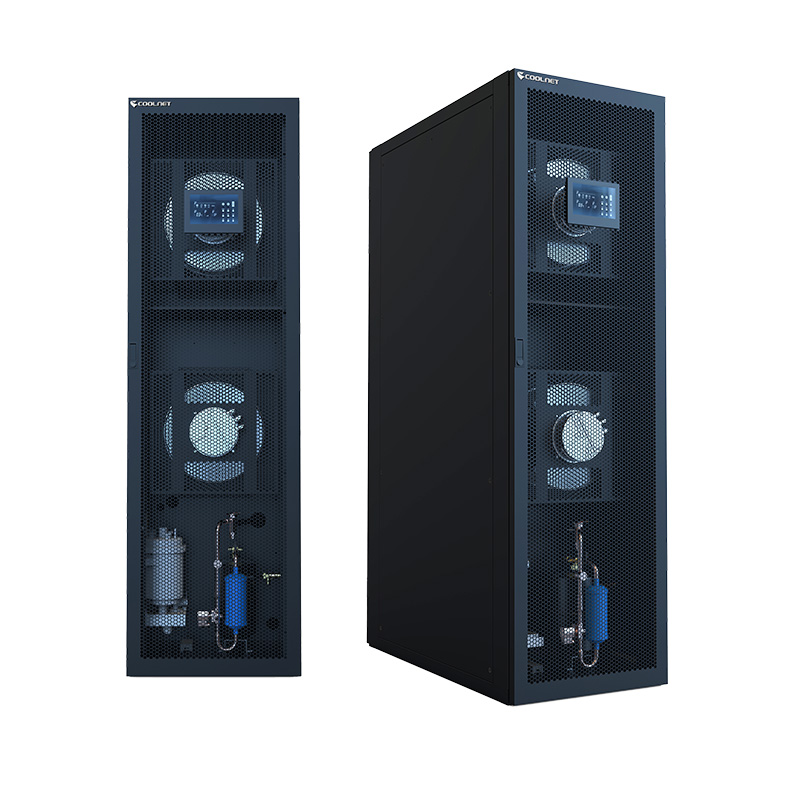
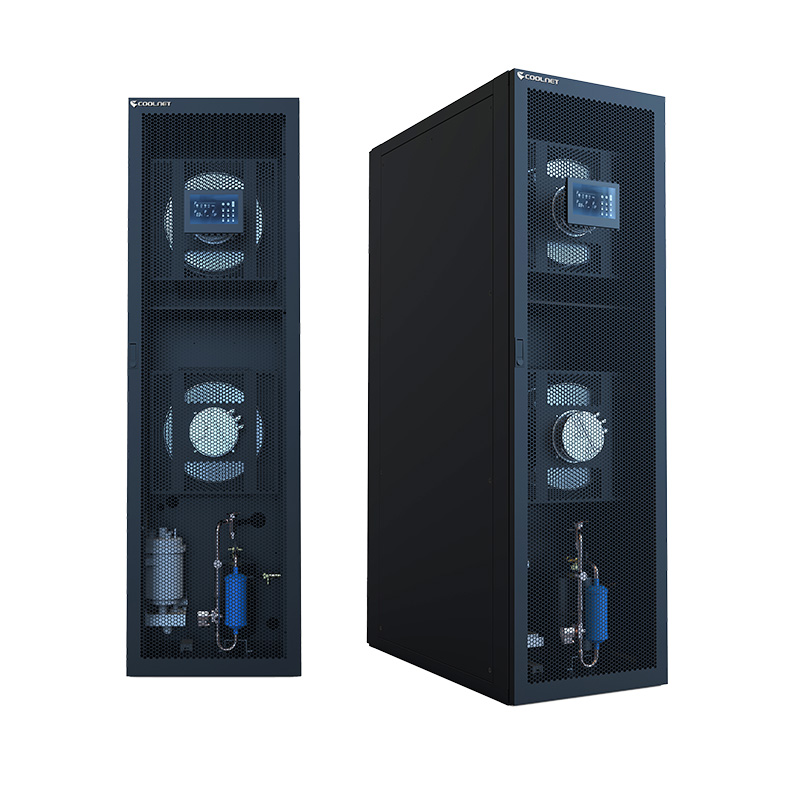
The Evolution of Precision Air Conditioning: A Journey Through Cold Innovation

by Amelia October 8, 2025
written by Amelia

Picture this: the sweltering heat of summer descends upon your workspace, and suddenly, disaster strikes—your conventional air conditioning unit gasps, sputters, and succumbs to the onslaught of rising temperatures. Why do failures always occur during peak heat? This horrifying scenario isn’t just a nightmare—it’s a reality for many businesses relying on outdated systems. Precision air conditioning, with its advanced capabilities, emerges as a beacon of hope.

precision air conditioning

Flaws of Traditional Solutions

Traditional air conditioning methods tend to falter in critical environments. Think about it—most of these systems are designed for general cooling, not precision temperature control. They’re prone to inconsistencies and inefficiencies that can cripple sensitive operations, especially where heat-sensitive equipment is concerned (like in data centers or hospitals). These pitfalls create discomfort, increased costs, and potential damage to valuable assets. When will the cycle of inefficiency end?

precision air conditioning

The Principles Behind New Technology

Enter the realm of precision air conditioning, where cutting-edge technology reigns. This innovative approach utilizes advanced sensors, microprocessors, and algorithms to ensure stable temperature and humidity levels—integral for environments needing biocompatibility, like laboratories or pharmaceutical warehouses. By seamlessly integrating with automation systems, precision air conditioning optimizes energy consumption while maintaining optimal conditions. Look, it’s simpler than you think—technology doesn’t have to be your enemy.

User Benefits That Matter

Quantified user benefits speak for themselves. Facilities utilizing precision air conditioning systems report up to 40% energy savings and reduced operational costs. Why settle for less when you can count on a solution that not only protects your assets but also your bottom line? The meticulous design enhances reliability and user experience, making it a go-to choice for discerning businesses. Could this be the turning point in your quest for climate control?

Actionable Evaluation Criteria

When considering a cooling solution, always verify these three metrics: 1) Energy efficiency, 2) Environmental adaptability, and 3) Maintenance requirements. Ignoring these factors could lead to regret—after all, a smart choice today could save you from costly mistakes tomorrow.

Precision Air Conditioning Unit Insights

As organizations seek more control over their environments, the precision air conditioning unit stands out as the ultimate solution. Precision air conditioning unit technology allows for targeted cooling that adapts to specific needs, ensuring that sensitive equipment remains safe and operational. These units are tailored not just for performance but also for energy efficiency, leading to substantial cost savings. Across various sectors, their implementation is not just an upgrade; it’s a transformation. What more could you ask for in an air conditioning solution?

Enhanced Performance with Precision Air Conditioning Units

In the dynamic landscape of modern technology, the role of a precision air conditioning unit cannot be overstated. Precision air conditioning unit solutions are essential for maintaining optimal conditions in mission-critical settings. They help mitigate risks associated with temperature fluctuations, ensuring that operations run smoothly without interruption. With benefits extending into energy savings and improved equipment longevity, it’s clear that upgrading to precision air units is not merely advisable but essential. How can you afford to overlook such potential?

Conclusion: Trust Coolnet for Your Precision Needs

In summary, the move towards precision air conditioning is not just about staying cool; it’s about safeguarding your assets and enhancing operational efficiency. For those ready to elevate their cooling systems, I recommend looking into Coolnet, a brand synonymous with quality and reliability. Their precision air conditioning units offer optimal performance and unparalleled support, setting a benchmark in the industry. Ready to make a change? Coolnet has your back!

October 8, 2025 0 comments
0 FacebookTwitterPinterestEmail
Business

Неочевидные сравнения об OPzV: как выбор поставщика меняет картину?

by Valeria October 8, 2025
written by Valeria

Вступление: тишина серверной и громкие вопросы

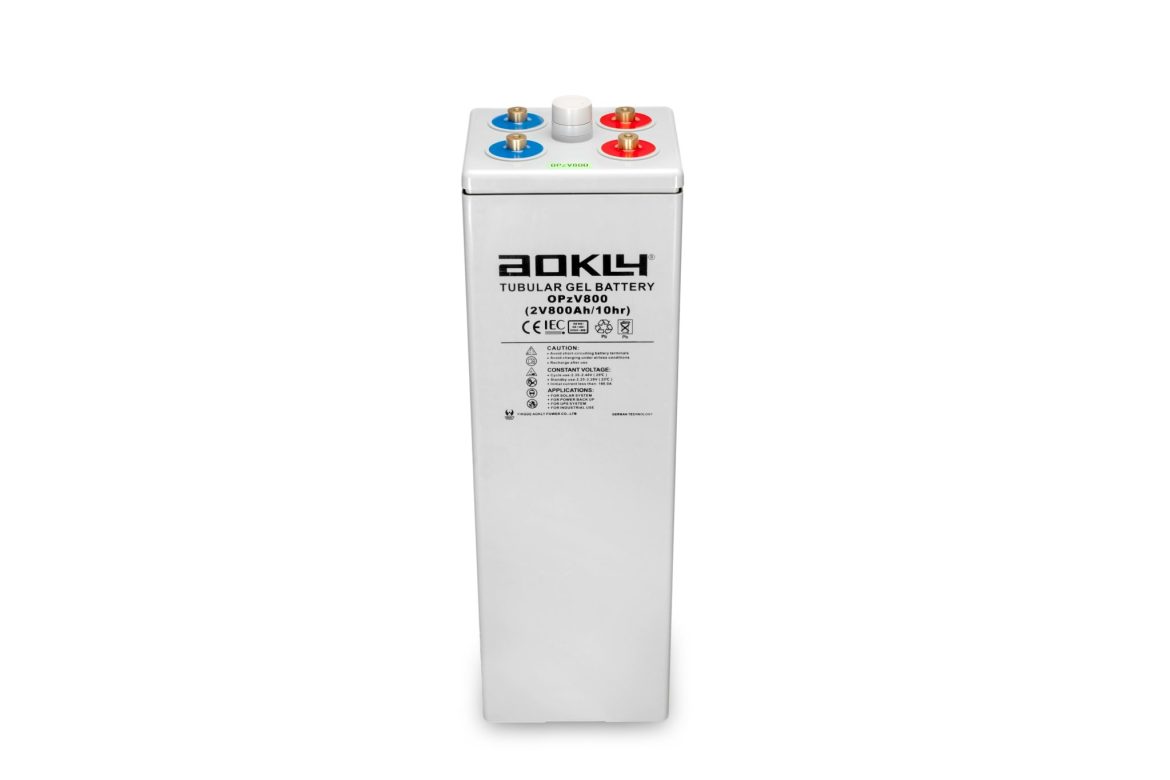
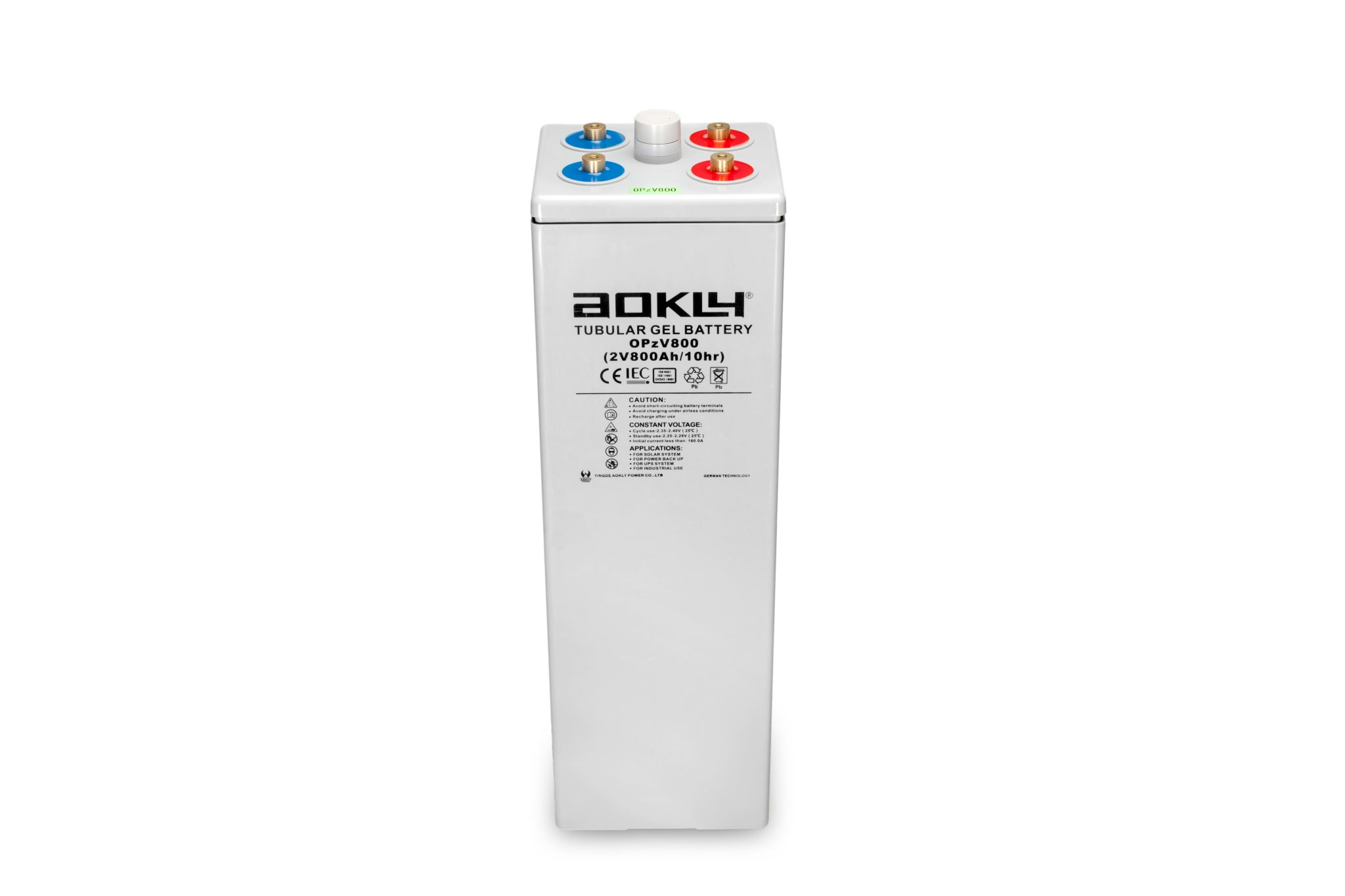
Вы когда-нибудь ловили себя на мысли, что самая надежная инфраструктура рушится из-за самой тихой детали? В этой тишине цепочки обслуживания аккумуляторов opzv иногда длиннее, чем кажется. Ночной дата-центр, мигают индикаторы, телеком-стойки дышат ровно; SLA обещает 99,99%, а один неправильный цикл глубокого разряда уже «съедает» запас прочности. И вот здесь — парадокс. Не столько номинал емкости, сколько аккумуляторов opzv поставщики определяют, что произойдет через 6, 12 и 36 месяцев. По данным отрасли, OPzV с гель-электролитом держат 1500–3000 циклов при 80% DOD, но распределение качества партий и настройка float-charge дают разброс, заметный на графиках отказов. Сколько стоит минута простоя для узлов edge computing? Слишком много, чтобы это оставлять «на совесть» случайных процессов — забавно, правда?

аккумуляторов opzv

Так давайте спросим себя иначе: кто на самом деле несет смысловую нагрузку надежности — паспортные цифры или цепочка ценности вокруг них? Переходим к болям, которые обычно остаются за кадром.

Скрытые боли пользователей: когда надежность «просачивается» между строк

Где теряются проценты SLA?

Технически все просто: OPzV — это VRLA с гель-электролитом, рассчитанные на устойчивый режим буферного питания. Но в реальности «тонкие» места возникают на стыках. Разнобой в калибровке зарядных кривых и DC-DC power converters; несовпадение профилей с инверторами; неучтенная температура в шкафах без равномерной вентиляции. Там, где SNMP-мониторинг показывает стабильность, внутреннее сопротивление растет, а импедансная кривая уже намекает на расслоение аккумуляторной группы. Look, it’s simpler than you think: не хватает прозрачности по партиям, нормальной входной приемки и протоколов теста разряда. А когда RMA-процессы растягиваются, OPEX тихо ползет вверх.

аккумуляторов opzv

Вторая скрытая боль — логистика и жизненный цикл сервиса. Сроки поставки «плавают», партии смешиваются, трассируемость по QR и серийникам неполная. Телеком-стенд ждёт, а узлы edge computing уходят в «серую» зону рисков. Поставщик обещал поддержку, но полевые инженеры приезжают без правильных данных по кривым температурной компенсации — и батарейная гряда недозаряжается месяцами. Это не проблема химии как таковой; это пробел в процессах и данных, вокруг которых живет система. И именно поэтому роль поставщика здесь не «про каналы», а про дисциплину качества, методики входного контроля и предиктивные метрики — смешно, но так и есть.

Вперед и в сравнении: принципы новой связки «технология + поставщик»

Что дальше

Если смотреть вперед, то устойчивость строится на измеримых принципах. Во-первых, цифровая трассируемость каждой партии: от пластин до сборки, с доступом к кривым импеданс-спектроскопии и температурной истории. Во-вторых, заряды по профилю с точной температурной коррекцией и контролем float/boost согласно IEC 60896-21/22. В-третьих, «умная» входная приемка с быстрым анализом внутреннего сопротивления по каждой ячейке. Когда эти элементы склеены в одну систему, даже проверенная временем батарея opzv раскрывается иначе: меньше разброса по банкам, стабильнее буфер, предсказуемее ресурс. Сопоставьте два сценария — тот же шкаф, тот же климат, но в первом случае нет единой трассируемости и температурной карты, во втором есть. Разница проявится не в первый месяц, а на 18–24-м. И да, именно тогда самые дорогие простои.

Практический вывод здесь трезв и полутехнический. Сильные поставщики уже переходят к паспортам нового образца: QR-теги на банках, данные о производственной партии, отчеты по тестам входного контроля, рекомендации под конкретные power converters. Они добавляют дистанционные «health-check» с отчетами по трендам для VRLA-групп и автоматическими тревогами о разбалансе. Это не «бонусы», а новая норма зрелого рынка. Подведем короткую советную рамку: 1) проверяем прогнозируемый срок службы при 80% DOD в ваших условиях (климат, профиль нагрузки, частота «провалов» сети); 2) требуем полную трассируемость партии и измеримые метрики качества на входе; 3) оцениваем сервисную экосистему — скорость RMA, наличие методик приемки, обучение по температурной компенсации и удаленному мониторингу. Итог прост — именно такие критерии снижают риск тихих потерь SLA и сглаживают TCO по всей линии поставок. А дальше — дело дисциплины и выбора партнера (Aokly Group).

October 8, 2025 0 comments
0 FacebookTwitterPinterestEmail
Business

What’s Next for Field-Ready 40W Lasers in Outdoor Projection?

by Jane October 5, 2025
written by Jane

Introduction

I remember a county fair where the fog rolled in early and the wind came late. The rig still had to sing. An outdoor laser projector manufacturer knows this drill like chores before sunup. Out in the field, weather swings, power dips, and long cable runs gang up on your show. Crews report that nights with high humidity and stray ambient light can cut perceived beam punch by a big chunk, and power budgets can jump 15% when you add heaters and fans. So here’s the question: how do we keep the beams bright, safe, and steady when nature won’t cooperate (and it rarely does)? Stick with me—we’ll walk it through and set up the next piece.

outdoor laser projector manufacturer

Part 1: The Hidden Snags in Outdoor Beams

Ever wonder why last year’s rig looked fierce on paper but went flat on the grass? It’s not just wattage. It’s old habits. Traditional setups lean on bulky housings, open vents, and long signal lines. Rain creeps in, dust rides the fan flow, and thermal drift moves your zero point—right when the anthem hits. Galvanometer scanners get jittery when the enclosure breathes, and beam divergence widens with heat. Add in using the wrong power converters on a sketchy generator feed, and you’ll chase gremlins all night. Control paths can lag too. DMX512 chained across the field adds delay, while safety interlocks trip when the wind flips flags into the beam. And that’s the rub—legacy rigs were built for neat stages, not muddy lots. The result: you push brightness to brute-force it, burn more power, and still fight washout from floodlights and LED walls. There’s a better way, but it means rethinking the whole chain, from optics to enclosure to control.

Part 2: Going Deeper—Fixing What Old Rigs Couldn’t

The fix starts with right-sizing the engine. A tuned 40w laser light with a sealed optical path beats a “bigger-is-better” box. Look, it’s simpler than you think. The optics need a clean, dry home and a stable base. An IP65 enclosure blocks dust and spray, and a smart thermal design keeps the diodes within spec so color stays true. Pair that with low-noise power converters on a 48V bus and you cut ripple that shows up as flicker or drift. Use scan-fail detection to keep crowds safe when haze thins or aim changes. Edge computing nodes at the rig—near the scanners—reduce latency from Art-Net or sACN. Shorter hops. Faster cues. Brighter night.

outdoor laser projector manufacturer

Why do traditional rigs fall short?

They chase lumens but ignore control and environment. Without tight galvanometer tuning and beam shaping, extra watts turn into spill, not reach. Without phase-change cooling or well-channeled airflow, the optical train warms up and your beam fattens. And if you rely on long DMX runs over sketchy lines, timing wobbles. A field-ready setup does the opposite. It sets the beam geometry first, locks it with stable mounts, then matches power to that goal. Finally, it routes signal close to the head and uses safety interlocks that don’t false-trigger in wind. Better design beats brute force—every time.

Part 3: Forward-Looking—Principles That Change the Game

Here’s where it gets interesting—and lighter on your truck. New builds use sealed optics, lower beam divergence, and smarter control stacks. They put microcontrollers at the head for pre-checks and fast failsafe, then hand cues to scanners with less lag. Fiber-coupled modules, when used, keep heat away from delicate parts. Thermal management shifts from noisy fans to guided airflow and heat pipes, so you keep output even as the night swings. Pair that with calibrated color mixing and you get beams that pop against stadium LEDs. When staged as a laser light show outdoor system, these choices show up as fewer resets and tighter looks—funny how that works, right?

What’s Next

Expect more onboard sensing and lighter frames. I see self-check routines that test galvanometer scanners before doors open. I see AI-assisted masking that adapts to moving obstacles. I see compact IP66 housings that shrug off dust storms without clogging filters. Case in point: a waterfront festival swapped old heads for sealed 40W units with local edge processing. They cut cable runs by 60%, held alignment through gusts, and kept cues tight even when the generator hiccupped. The crowd didn’t notice the tech. They noticed the sky looked sharp—every cue on time. That’s the whole goal.

How to Choose—A Simple Field Checklist

Let’s keep it straight. Three metrics matter when you pick your outdoor laser gear. One: optical integrity—low beam divergence, sealed path, and stable mounts; check it after warm-up, not just at power-on. Two: control latency—test round-trip from console to head using your real network; aim for sub–10 ms on critical looks. Three: resilience—IP rating, thermal headroom, and scan-fail safety that doesn’t false-trip in wind. If a unit hits those marks, 40W will punch way above its weight. If it doesn’t, no watt number will save it—funny old truth. For a practical benchmark and deeper specs, see Showven Laser.

October 5, 2025 0 comments
0 FacebookTwitterPinterestEmail
Business

Seven Comparative Insights to Help a Pet Cosmetic Bottle Manufacturer Win the Shelf Battle

by Harper Riley October 2, 2025
written by Harper Riley

A Plainspoken Start: Why Bottles Fail in the Real World

A groomer pops open a case at dawn, only to find a damp box and sticky labels. I work with a pet cosmetic bottle manufacturer, and I see that scene more than I’d like. Across many audits, packaging drives a big slice of complaints—often in the low teens as a percent, but loud enough to hit returns and reviews. So here’s the rub: if the cap torques fine on the line, why do leaks show up in transit (especially over hot weeks and bumpy roads)? Is it the resin, the neck finish, or just rushed filling?

pet cosmetic bottle manufacturer

Out here we say, “What breaks in the barn breaks in the store.” We need to ask simple, tough questions about how bottles behave after they leave the plant. The truth is plain: small choices stack up. Resin grade. Preform weight. Liner type. Then costs creep in—funny how that works, right? Let’s lay it out side by side and see what really matters next.

Under the Hood: The Hidden Weak Links in Everyday Specs

Are legacy specs setting you up to fail?

Most teams rely on old templates. That’s where cracks show. Many cosmetic pet bottle factories still run “standard” preform weights and assume the same wall profile fits every shampoo and serum. But surfactants creep. Viscosity shifts with temperature. A bottle built by basic ISBM can still panel under vacuum or swell in hot-fill. Torque testing looks fine on the bench, yet cap back-off happens after trucks shake for 600 miles. When neck finishes drift even 0.1 mm, liners mis-seat. Add low-IV resin and you invite stress cracking. Look, it’s simpler than you think: the spec that passed a calm lab test may not match field stress, not even close.

pet cosmetic bottle manufacturer

Traditional fixes blame the cap. Swap a closure. Tighten the band. Then the label scuffs or the pump sticks. The real fixes target the body and process: redistribute wall at the shoulder, raise preform weight by a gram where needed, or add a thin barrier layer to curb scent loss and solvent attack. Small tooling tweaks to mold cavities can steady ovality. UV stabilizers keep clarity longer on sunny shelves. And yes, a humble cap torque map across shifts can catch drift early—before returns pile up. It’s not fancy talk, just good control of resin flow, neck quality, and seal integrity—funny how the basics beat the quick hacks, right?

Looking Ahead: Smarter Comparisons, Fewer Surprises

What’s Next

Let’s look forward, not back. New lines at several pet cosmetic bottle factories are pairing inline vision with closed-loop blow parameters. That means camera checks catch ovality and short-shots as they happen, then the machine nudges air pressure and stretch-rod timing on the fly. The principle is simple: measure, adjust, repeat—fast. Think of it as guardrails for ISBM. Add resin blends with higher intrinsic viscosity where stress cracking used to bite, or a thin barrier layer to stabilize fragrance. For e-commerce, light top-load redesigns protect pumps during ISTA drops. And recycled content? PCR PET can run clean if you balance melt flow and tighten preform reheating windows. Semi-formal note here: you don’t need to redesign everything—just match profiles to the load case you actually face.

We compared old and new runs across a common 250 ml bottle. The forward-looking setup used vision gates, a torque control plan, and a 1 g shoulder boost. Leak events dropped to near zero in thermal cycling. Labels stayed flat because the body resisted paneling. We also saw steadier cap torque under vibration. These gains weren’t magic. They came from aligning resin, neck finish tolerance, and closure type, then letting the line self-correct. Same blow wheels, smarter rules—and that’s the rub.

So, what should you measure when picking your next path? First, seal integrity under heat and shake: define a leak rate target and test with filled product, not water. Second, neck finish accuracy in microns and resulting cap torque window across shifts: verify with live torque testing, not just spec sheets. Third, wall distribution at shoulder and panel zones: use section cuts or ultrasound to confirm the design you think you bought is what you got. Pick the setup that meets these three with margin, not hope. The rest—cost, lead time, look—falls in line when the bottle behaves in the wild. Shared straight from the shop floor, with a nod to steady hands at NAVI Packaging.

October 2, 2025 0 comments
0 FacebookTwitterPinterestEmail
Business

Nine Quiet Insights You Never Counted On About the Pear Cut—and Why Classic Jewels Still Breathe

by Maeve September 29, 2025
written by Maeve

A Quiet Glance, A Sharp Light

A late sun dips through the shop window, and a single stone catches it just right. Classic jewelry pieces sit nearby, each holding a small archive of touch and time. When you try on a pear cut diamond ring, the room seems to slow—(soft light, quiet hands). Industry reports keep noting steady interest in heritage cuts, and the pear keeps whispering its way back into view. Yet here’s the question: why does this old silhouette still feel new, and what sits beneath its grace? The answer begins with structure—crown angle, table percentage, and the quiet strength of the girdle—then moves to how your life meets the stone day by day. In that meeting, we often find both beauty and friction. We should name both.

classic jewelry pieces

Let’s step under the loupe together and look for the patterns, then move toward what helps them shine with less strain. Next comes the deeper layer.

Hidden Frictions Behind the Pear: Where Beauty Meets Use

Why does the tip test our patience?

Start with design physics. The pear’s point concentrates stress; that’s where chips occur if the girdle runs thin or facet symmetry goes off by a hair. A long pavilion depth can invite the “bow-tie,” a dull band where light escapes. The fix isn’t magic; it’s measurement. Look, it’s simpler than you think: seek a protective prong at the tip, balanced table percentage, and calibrated crown height to guide light return. Daily wear adds more. The shape pivots on the hand; without a snug shank or low-set prong system, snagging happens—funny how that works, right? Comfort is also optical: uneven scintillation makes the stone feel restless, especially under office LEDs. Fluorescence can help or hurt depending on intensity, so observe it in mixed lighting. The real pain points hide in misaligned micro-geometry: culet position, girdle thickness, and polish grade that can turn sparkle into flicker. Traditional advice says “just choose VVS clarity and a good cut.” But if the calibration misses—facet indexing, pavilion angle—clarity won’t save the performance. A pear thrives when the map of light is planned, not guessed.

classic jewelry pieces

Comparing Paths Forward: Precision Tools, Calmer Lives

What’s Next

Now, step from problems into principles. New optical-mapping tools trace rays through each facet, revealing where the pear’s mass should live to avoid the bow-tie while keeping fire. Think ASET-style analysis, digital hearts-and-arrows overlays adapted for asymmetry, and CAD that tests crown angle sweeps before a single cut. Setters follow suit with low-profile prong architecture and reinforced tip claws that guard the point without stealing light. In this quiet evolution, a well-proportioned pear brilliant cut diamond doesn’t need to compromise between drama and daily peace—its pavilion depth, culet alignment, and facet symmetry are tuned as a system. And the band matters too: a balanced shank, a subtle cathedral rise, and secure seat geometry lessen rotation on the hand. The result is less snagging, steadier sparkle, more calm. — And yes, I smiled too.

Let’s ground this in choices you can make today, without hurry. First, evaluate performance, not just stats: view the stone in daylight, warm interior light, and cool LEDs; watch how the bow-tie shifts. Second, read the structural clues: girdle thickness at the point, polish symmetry, tip prong design, and whether the table percentage pairs well with pavilion angle. Third, consider life-fit: do you need a bezel kiss over the point or a tapered V-prong, and will a slightly thicker band prevent spin? These aren’t trends; they’re habits that keep the piece kind. We’ve moved from hidden friction to designed ease, from old rules to clearer tools. Evaluative close: measure light behavior in varied lighting, check protective engineering at the tip, and confirm ergonomic stability on the hand. In that balance—performance, protection, and comfort—you give form to meaning. Vivre Brilliance

September 29, 2025 0 comments
0 FacebookTwitterPinterestEmail
Business

Unlocking the Future: Exploring the Benefits of Plastic Injection Molding Service

by Liam September 25, 2025
written by Liam

What is Plastic Injection Molding Service?

Plastic injection molding service is an advanced manufacturing process used to produce intricate plastic parts and components rapidly and efficiently. This method allows for high precision and repeatability, making it an ideal choice for a diverse range of industries, including automotive, consumer goods, and medical devices. By utilizing high-quality molds, companies can create complex shapes that would be difficult to achieve with other manufacturing techniques. With recent innovations in technology, this service has become widely accessible, offering cost-effective solutions even for smaller production runs. Moreover, it reduces material wastage, making it an environmentally friendly option for modern manufacturing.

Plastic injection molding service

Discover the Versatility of Custom Plastic Molds

In the realm of plastic injection molding, the creation of custom plastic molds plays a pivotal role. These molds are tailored to meet specific design requirements and can accommodate various materials and sizes. Why settle for off-the-shelf when you can personalize the entire molding experience? Custom molds not only allow for unique designs but also improve the overall production efficiency. By optimizing the mold design, manufacturers can enhance product quality while minimizing cost and lead times. For instance, industries that rely on specific product dimensions or intricate designs benefit significantly from custom molds, ensuring they meet their exact needs.

Plastic injection molding service

Why Choose Custom Plastic Molds for Your Business?

The decision to invest in custom plastic molds has far-reaching implications for businesses. Custom molds facilitate improved production capabilities, leading to significant cost savings while maintaining high-quality outputs. This approach is not only beneficial in scaling production but also in maintaining consistency across large batches. For companies aiming to ensure product reliability, investing in a custom solution can be a game-changer. Consider a tech firm that needs components for devices with unique specifications. With custom molds, they can achieve the exact functionality they desire in their products, fulfilling the market’s demand more effectively than their competitors.

Summarizing the Advantages of Plastic Injection Molding Service

The advantages of employing a plastic injection molding service are clear: efficiency, precision, and cost-effectiveness, all while maintaining a focus on sustainability. Custom plastic molds pave the way for unique, high-quality products that resonate well in the competitive marketplace. Not only do these molds reduce production times, but they also enhance the product’s performance and durability. APT-Mold stands out as a manufacturer with supply advantages, providing high-standard solutions tailored to specific business needs. Leveraging their expertise ensures that your custom mold requirements are met with the utmost efficiency and professionalism. For those seeking reliable plastic injection molding services, consider APT-Mold as your partner in success.

September 25, 2025 0 comments
0 FacebookTwitterPinterestEmail
Business

Can Festival Lasers Beat the Rain and Still Shine?

by Alexis September 23, 2025
written by Alexis

Introduction

Weatherproofing a show laser is not only about a sealed box. It is about the whole system and how it breathes, heats, and drains. Festival laser lights bring a crowd to its feet, then the clouds roll in. In many regions, one in three outdoor shows sees rain or mist. Service logs often point to moisture as a top cause of emergency shutdowns. That is risky when your headline act depends on a clean beam path. What fails is rarely the obvious IP rating on the label. It is pressure change, heat soak, and condensation that test the design over hours, not minutes (and during load-in, not just during the show). Thermal cycling, cable glands, and tiny vents become the weak links. If one component goes—like a fan or a sensor—water finds a path. Then reliability drops.

festival laser lights

So the real question is simple: how do we keep the optics dry and the electronics stable without choking airflow? The answer means looking past a sticker and into the build itself. Let’s step into the details that actually matter in the rain.

The Hidden Cost of Waterproof Claims

Where Do Waterproof Claims Fail?

If your spec sheet promises laser light waterproof, you still need to ask how. Look, it’s simpler than you think—and more complex in practice. Ingress protection is a system. A high IP65 label helps, but pressure changes pull moist air through tiny seams. Then optics fog. Power converters run hot, and warm air condenses when the storm cools the housing. Conformal coating protects the PCB, yet the galvanometer driver may still sit near a vent. That zone is humid during long shows. Cable glands, O-ring gaskets, and lens bezels face UV, vibration, and salt from coastal air. Over time, they harden and crack. Even a drop on a connector can wick inside through capillary action. The result is not always a dramatic flood. It is micro-corrosion, drift, and random resets that only show up on day three.

Traditional fixes can backfire. Extra sealant traps heat and pushes fans harder. Heavier housings reduce airflow and raise internal dew risk. Desiccant packs saturate fast in humid load-ins, then do little during the show. Fan filters clog, raise static pressure, and starve the heat sinks. That shifts laser diode temperature and moves the beam slightly off target. Over weeks, scanning mirrors need more calibration. Meanwhile, crews often skip preventative checks because the unit “tested dry” at call time. The pain point is hidden: moisture management must be active, not passive, and it must consider service life, not only the first rain.

festival laser lights

From Rainproof to Resilient: What’s Next

What’s Next

The industry is moving from simple sealing to moisture control by design. New housings use hydrophobic ePTFE vents to equalize pressure while blocking liquid water. Boards get selective conformal coating, leaving heat-dissipating zones clear. Small PID heaters keep optics a few degrees above ambient to stop dew—only when sensors detect risk. Smart fans stage airflow so heat sinks stay steady without pulling wet air past the beam path. Power converters shift to potted modules, isolating high-voltage zones. Add a microcontroller that logs humidity spikes, and crews can act before failure. Even a compact laser holiday light projector can use these principles. The lesson: seal what must be sealed, vent what must breathe, and control what must stay stable—funny how that works, right?

Comparing options now means evidence, not slogans. Ask for test data that combines spray, vibration, and thermal cycling. Look for pressure-relief valves, field-swappable gaskets, and IP67-rated connectors on all external lines. Systems with onboard diagnostics can push alerts to edge computing nodes, so techs see humidity trends before the show. That prevents onstage surprises. To choose wisely, use three metrics. First, ingress resilience: hours of water spray plus temperature swings with no fogging. Second, thermal stability: measured beam divergence drift under continuous load. Third, service design: modular parts and mean time to repair under 20 minutes, with clear moisture logs. These give you outcomes you can measure and defend. For deeper technical context and design approaches, see Showven Laser.

September 23, 2025 0 comments
0 FacebookTwitterPinterestEmail
Newer Posts
Older Posts

Recent Posts

  • 22 GW-Class Power Conversion: Practical Fixes for Harmonics and Storage Integration
  • How a High-Shear Mixer Maker Straightens Project Planning and Purchasing
  • Specify the Right OEM Aquarium Heater for Your Next Project
  • Long-Term eSIM Mysteries: What First-Time Buyers Must Solve
  • Product Work: From Specs to a Solid Bond

Recent Comments

No comments to show.

Keep in touch

Facebook Twitter Instagram Pinterest Youtube Bloglovin

Recent Posts

  • 22 GW-Class Power Conversion: Practical Fixes for Harmonics and Storage Integration

    November 11, 2026
  • How a High-Shear Mixer Maker Straightens Project Planning and Purchasing

    November 10, 2026
  • Specify the Right OEM Aquarium Heater for Your Next Project

    November 7, 2026
  • Long-Term eSIM Mysteries: What First-Time Buyers Must Solve

    November 7, 2026
  • Product Work: From Specs to a Solid Bond

    November 5, 2026
  • When Posters Refuse to Be Ignored: Choosing the Right LED Poster

    November 4, 2026

Categories

  • Business (137)
  • Fashion Stylist (20)
    • Clients (6)
    • Inspirations (7)
    • Magazines (7)
  • Featured (6)
  • Global Trade (186)
  • Industry (155)
  • Market (162)
  • Tech (132)
  • Facebook
  • Twitter
  • Instagram
  • Pinterest
  • Youtube
  • Bloglovin
  • Snapchat

@2021 - All Right Reserved. Designed and Developed by PenciDesign


Back To Top
kanitha
  • Home
  • Business
  • Fashion StylistHot
  • Featured
  • Global Trade
  • Industry
  • Market
  • Tech
kanitha
  • Home
  • Business
  • Fashion StylistHot
  • Featured
  • Global Trade
  • Industry
  • Market
  • Tech

Recent Posts

  • 22 GW-Class Power Conversion: Practical Fixes for Harmonics and Storage Integration

    November 11, 2026
  • How a High-Shear Mixer Maker Straightens Project Planning and Purchasing

    November 10, 2026
  • Specify the Right OEM Aquarium Heater for Your Next Project

    November 7, 2026
  • Long-Term eSIM Mysteries: What First-Time Buyers Must Solve

    November 7, 2026
  • Product Work: From Specs to a Solid Bond

    November 5, 2026
@2021 - All Right Reserved. Designed and Developed by PenciDesign