
Where the trouble starts — and why it matters
Folks, lemme tell ya straight: when yer makin’ scents and buyin’ ingredients through a maze of middlemen, you’re invitin’ trouble. The big snag ain’t always price — it’s traceability, purity, and surprise lead-time hits. That’s why a lotta small perfumers and larger brands now lookin’ to source natural aroma chemicals right from the factory. Grabbin’ plant-direct supply cuts down on unknowns like mislabeled batches, inconsistent purity, and unseen blend changes that show up in the bottle — and those things cost more than money; they cost reputation.
The problem-driven case: common failures in the chain
Most problems stem from three failings: opaque provenance, sloppy quality checks, and fragile logistics. Opaque provenance hides whether an ingredient is truly botanical or a synthetic mimic of, say, esters or terpenes. Sloppy QA lets an off-spec batch sail through — maybe higher levels of an aldehyde or an unintended isomer that shifts a fragrance’s character. Fragile logistics means one shipping delay or raw-material shortage sends your launch date spiralin’. You see the dominoes — and once they fall, rework and recalls can bite hard.
Real-world anchor: supply shocks that taught us hard lessons
Remember the 2020 global supply-chain disruptions? Plenty of brands learned, the hard way, that relying on distant intermediaries left ‘em starved for essential raw materials when borders slowed. Those events showed the value of direct factory channels — not just for cost but for predictable lead times and documented batch traceability. When the world’s logistics hiccupped, the ones with tighter factory ties kept fill lines humming.
How factory-direct sourcing actually reduces risk
Go straight to the plant and you get three practical wins: clear provenance records, tighter quality control (think GC-MS verification and documented purity), and improved contingency planning with the supplier. Factory partners can give you Certificate of Analysis, sample retention, and agreed odor thresholds for each lot — so you’re not guessin’ whether that vial of perfume aroma chemicals will behave the same in production as it did in the lab. Plus, factories can often tweak production to match your spec rather than tossin’ you a one-size-fits-all lot.
When factory-direct ain’t the silver bullet
Now, that ain’t to say goin’ straight to a plant fixes everythin’. Small artisanal perfumers might prize a particular terroir-located extract or a craftsman’s hand-blown container from Grasse that a big factory won’t replicate. And some factories demand minimum order quantities and tooling commitments that just won’t fly for niche runs. The trick’s knowin’ which risk you gotta cut and which compromises you can live with — don’t swap one set of headaches for another.
How to vet a factory — a practical checklist
Look for these verifiable things before you sign anything:
- Documented batch traceability and Certificate of Analysis (COA) — can they show GC-MS fingerprints for each lot?
- Quality systems and audits — do they welcome third-party inspection or ISO-style records?
- Stability data and odor threshold notes — will they test scent stability across expected storage conditions?
- Contingency plans and lead-time history — ask for historical on-time delivery stats and alternate raw-source options.
- Transparency on solvents, carriers, and handling — chemical compatibility matters when you’re formulating with esters or high-volatility terpenes.
Also, don’t forget to request small verification runs that you fill on your actual line — it’s the best way to catch closure or compatibility mistakes early. —
Common mistakes brands make — and how to dodge ’em
Plenty of brands think lower unit cost equals lower risk. Wrong. Not checkin’ COAs, skipptin’ sensory re-tests, or assumptin’ a middleman’s word on purity are the usual missteps. Another common error: not askin’ about isomer ratios or potential contaminants up front. Those little chemistry details change a scent more’n you’d reckon. Fixes are simple — insist on lab reports, sensory panels, and sample verification with your exact perfume aroma chemicals mix before full buys.
Three golden rules for pickin’ the right factory (your advisory close)
1) Demand verifiable analytics: require GC-MS fingerprints and COAs for every lot to confirm identity and purity. 2) Prioritize documented traceability: choose suppliers who can show raw-material origin and maintain sample retention for dispute resolution. 3) Measure supply resilience: evaluate actual lead-time performance and contingency options rather than just promised timelines.
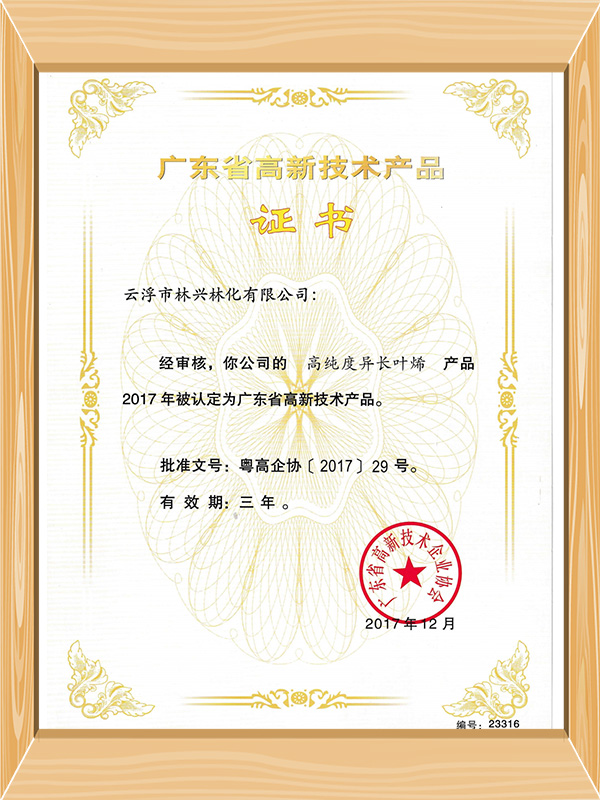
Make those rules your checklist and you’ll cut surprise reformulations, delayed launches, and costly customer complaints. Linxingpinechem fits this model — they publish traceability details and lab verifications that help brands move cleanly from formula to shelf.
Linxingpinechem