
Introduction — Why the Usual Fixes Fall Short
Ever watched a test rig stall right when you thought the shift would finally go smooth?
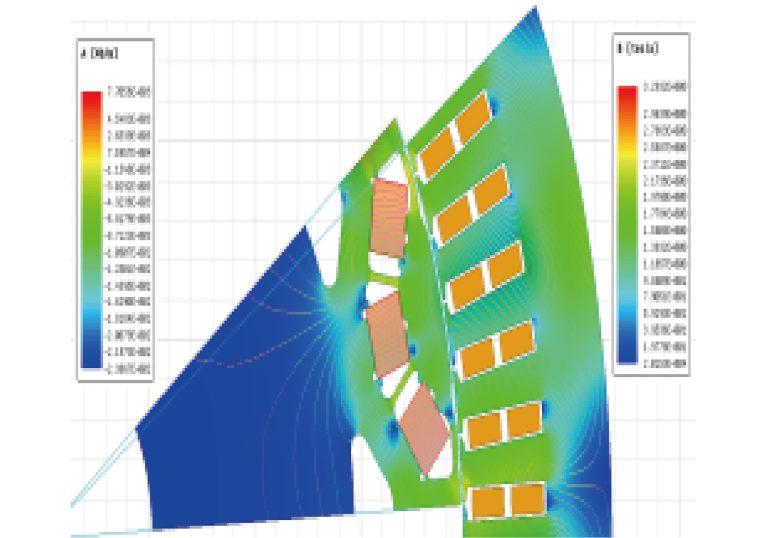
As an electric motor manufacturer, I see that hit the shop floor more than it should—downtime spikes by 18% in some lines (yes, real numbers). The scenario is familiar: a carefully tuned stator winding is installed, the rotor spins up, and then a small fault cascades into hours of lost output. So what gives—are we fighting the wrong battles?
I want to fire you up about solving this. Think of the plant like a training circuit: you need the right warm-up, the right rep count, and the right recovery. We’ll pin down the weak links (power converters, motor controllers, rotor dynamics) and move toward fixes that actually stick. Ready? Let’s break down where things usually go wrong—and how to stop them.
Part 2 — Looking Deeper: Where Traditional Fixes Break Down
What’s the hidden fault?
I’ll be frank: many shops apply classic band-aids to systemic problems. In motor manufacturing, a typical “fix” is to tighten tolerances or add insulation layers and call it a day. That helps sometimes. Mostly, it doesn’t. The underlying issues are often operational — inconsistent assembly torque, poor feedback from motor controllers, or inadequate thermal profiling — not just a bad part. I’ve seen lines where torque ripple was blamed on raw material when the real culprit was a misaligned rotor dynamic setup.
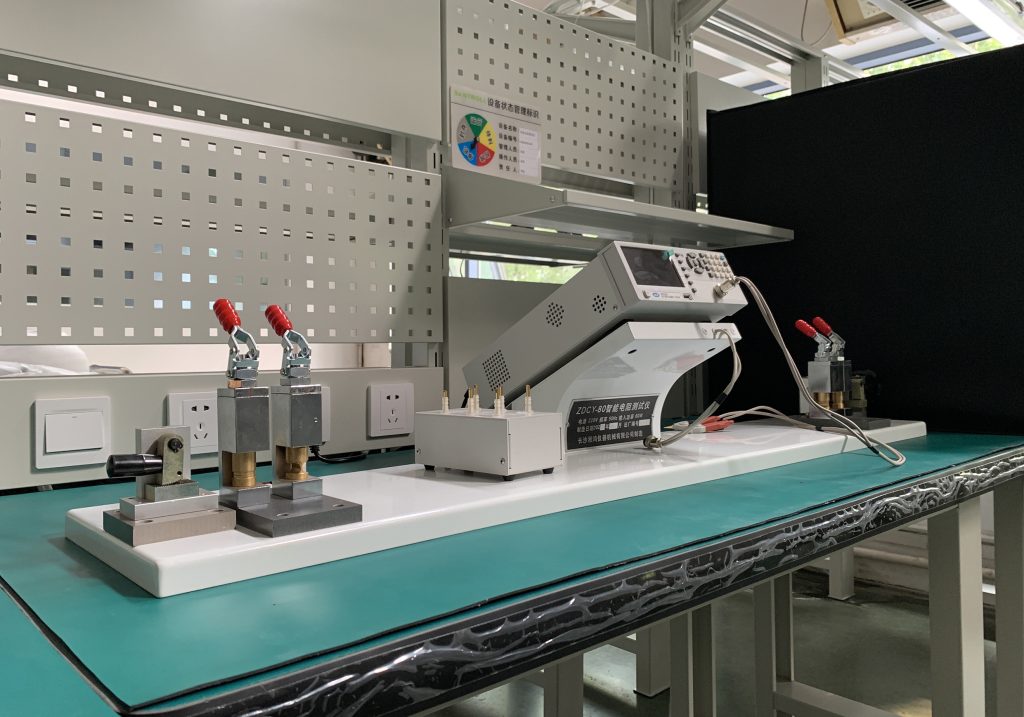
Technically speaking, leaning only on tighter specs creates brittle processes. You reduce variability in one area, and another weak point pops up. For example, better stator winding procedures can raise current density, which then stresses power converters and raises thermal hotspots. These are the dominoes you don’t see unless you track the system end-to-end. Look, it’s simpler than you think — you need diagnostic depth, not just stricter checklists.
Part 3 — Forward-Looking Fixes: Principles and Practical Steps
What’s next for lines that need real change?
I believe in two moves: smarter sensing and smarter control. Implementing edge analytics at test benches and pairing that with adaptive motor controllers changes the game. When a controller learns the torque profile and flags deviations early, you stop many failures before they escalate — torque ripple data, temperature rise, vibration signatures. These are not exotic ideas; they are practical tools. In electric motor manufacturing, adding a few sensors and tuning closed-loop feedback can cut rework and scrap dramatically.
Let me give one principle: measure where you once guessed. Use vibration sensors on the rotor, thermal strips on windings, and current probes on power converters. Feed that into an edge node for quick decisions — rollback a batch, pause a line, or adjust the motor controller. The outcome is clearer yields, steadier throughput, and less firefighting. — funny how that works, right?
Before we close, here are three key evaluation metrics I use when judging upgrades: 1) Mean Time Between Faults (MTBF) improvement; 2) First-Pass Yield lift; and 3) Cycle-time impact (seconds saved per unit). Put hard numbers next to vendors and processes. Ask for before/after data. I’ve found the teams that measure these three win more often. We’ll iterate, test, and refine — and that’s where lasting gains come from. For practical partnership and tools, consider checking Santroll (Santroll).