
Introduction: When Lighting Sets the Whole Story
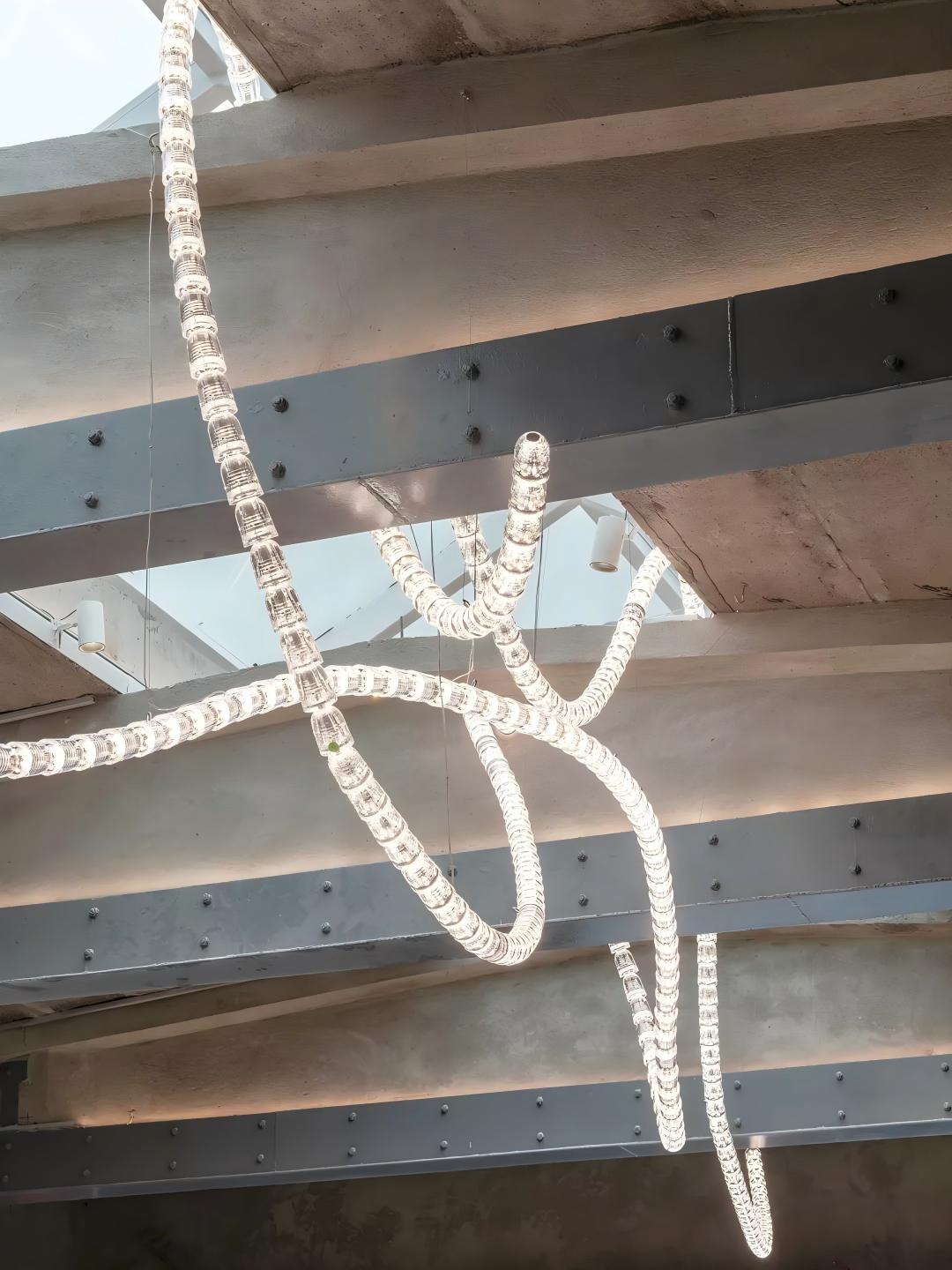
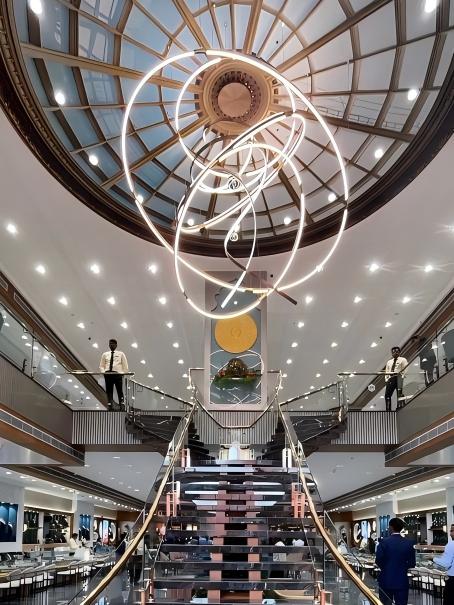
Lighting doesn’t just fill a room; it sets the plot. For any bespoke lighting company, that’s not a cute line—it’s the daily brief. Picture a hotel lobby: 11-meter ceiling, marble floors, and a cold echo that screams for warmth. A tailored bespoke chandelier can balance scale and acoustics, while standard fixtures often fail. Data backs it up: specifiers report that 60% of redesigns stem from glare, scale mismatch, or poor dimming curves; energy audits show 20–30% overspend when drivers and power converters are mismatched (tiny parts, big pain). So the question: why do some lights look right but “live” wrong—day after day?
We’ll answer that by comparing where off-the-shelf falters and where made-to-measure shines. Then we’ll look forward—because the tech stack behind custom lighting is evolving fast. Let’s break it down.
The Hidden Gaps Standard Fixtures Leave Behind
Why do standard fixtures miss the mark?
Most spaces change—seasons, events, furniture plans. Off-the-shelf chandeliers don’t. A custom brief often starts with proportions: canopy to volume ratio, drop length, visual weight. Standard units force a compromise that shows up as glare, odd shadows, or poor focal balance. In a bespoke chandelier, designers tune optics and diffusers to hit the right beam angles, and they pick LED packages to meet CRI targets without wasting lumen output. Look, it’s simpler than you think: when the geometry fits the room, you dim less and enjoy more. Yet the gap remains because most catalog pieces assume a one-size ceiling height—funny how that works, right?
Then there’s control and maintenance. Generic fixtures may not play well with DALI-2 or DMX control, so you get stuttered fades and flicker at low levels. Poor thermal design shortens driver life; incorrect power converters create voltage drop on long runs. Noise matters too: some drivers hum, especially in quiet lounges. And the “hidden tax” is service. When a unique venue needs a 0.1% dim-to-dark profile or exact CCT blending, patchwork fixes lead to callbacks. A true custom build models heat, weight, and structural load from day one, so installers aren’t guessing. That’s the quiet win you feel but rarely see.
Next Moves: Principles Redefining Custom Light
What’s Next
The new wave of bespoke lighting borrows from software. Parametric design lets teams adjust form factors live—diameter, fin spacing, diffuser density—while keeping performance within spec. Photometric simulation predicts UGR and spill before metal is cut. Edge computing nodes now handle local scene logic and sensor fusion, so fading feels human, not robotic. On the hardware side, modular drivers and high-efficiency power converters enable longer cable runs with less loss. This is where a custom pendant light earns its keep: it can be tuned to the site power, control protocol, and acoustics without redesigning the whole system. Short runs? Low-voltage bus. Historic site? Lightweight frame with finite element checks.
Real-world impact is simple to measure—yet easy to miss. Spaces using parametric custom builds often report fewer field changes, smoother commissioning, and tighter energy baselines due to correct lumen maintenance and dimming curves. Meanwhile, integration with BMS becomes cleaner when drivers speak the same language as the building (BACnet gateways, RDM feedback, the works). Advisory close-out: 1) Photometrics: verify CRI, CCT stability, and UGR targets using IES files and mockups. 2) Controls: ensure native compatibility with your dimming protocol and confirm flicker indices at low levels. 3) Lifecycle: assess thermal paths, driver replaceability, and service access—because day two is when the real test begins. Better choices start with better questions—and better data, of course. To keep the lights honest and the mood right, keep the brief sharp and the specs sharper with partners like kinglong.