

Introduction: Lines, Lights, and the Logic Behind Them
Queues at chargers tell the real story. In one downtown garage after work, screens dim, sessions slow, and tempers rise. Many sites rely on simple rules and hope, yet EV charging station solutions now decide when power should flow, and how fast. Data shows evening demand spikes can add 15–25% to feeder load in minutes, so even a single DC fast charger can tip a circuit. Without smart load balancing and basic peak shaving, drivers feel it in wait time and cost. — funny how that works, right?
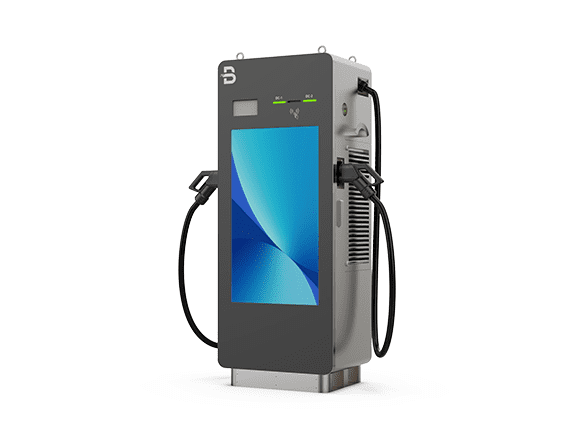
Here’s the rub: people want a quick fill, but the grid wants a smooth curve. Power converters have thermal limits. Panels have breaker caps. Software keeps trying to square that circle. The gap shows up as slow ramps, session drops, and price swings. So the real question is simple: what choices turn messy peaks into calm, reliable service? We’ll walk through the hidden friction, then compare the new principles that fix it. Next stop: what you do not see, but pay for.
Part 2: The Hidden Friction in Everyday Charging
Why do smooth screens hide rough edges?
This starts under the hood. Many sites still run cloud-first control loops. When OCPP messages travel wide and back, small delays stack up. Edge computing nodes sit idle, so throttling happens late. Look, it’s simpler than you think: if the controller learns about a demand response event after a few seconds, it slams the brakes. Drivers feel the jerk as a stall at 40%. Power converters then cycle, heat up, and derate. The chain reaction is slow screens, long queues, and lost faith.
Another pain point is data truth. If the energy management system (EMS) does not sync with smart meters in real time, the site cannot guard its headroom. A cold-start DC unit wakes up, sees “room to run,” and trips a feeder. Repairs are fast, but the line is not. Firmware mismatches add their own drama: a connector lock bug here, a billing timeout there. Edge fixes would patch in seconds; a cloud-only setup can take hours. Small flaws, big ripple.

Part 3: From Constraints to Capability—Principles That Change the Curve
What’s Next
The fix is a shift in control, not just bigger gear. Local-first logic runs at the pole or cabinet, with cloud as coach, not driver. Model predictive control looks a few minutes ahead and shapes the power curve to protect the feeder. Edge computing nodes arbitrate ports every 200–500 ms, so no lurching. New power electronics matter too: SiC power converters switch cooler and hold efficiency at partial load. Add a small battery buffer, and peak shaving turns sharp spikes into soft hills. When a utility calls a demand response, the site eases down in steps, not a cliff. It feels calm because it is planned. A modern commercial EV charging solution bundles these principles into one playbook—settings, not heroics. Surprising, but true.
So how do you choose well? Use simple, hard metrics. First, uptime you can audit: site-level SLA with mean time to repair under two hours, and port utilization above 60% in peak bands. Second, cost per delivered kWh that includes demand charges; track it monthly, not yearly, and watch the curve flatten as load shaping settles in. Third, queue health: median wait under five minutes at 80% occupancy, with transparent failover when a unit derates. These numbers turn buzzwords into proof. Keep an eye on OCPP compliance, cyber posture, and local safety checks—non-negotiable. Pick for control loops and real-time data, not just faceplate kW. The goal is steady, fair, and fast, in that order. In the end, better charging is a human thing: time back, stress down, trips made. That’s what counts, and it’s within reach with partners like EVB.