
• Home
  • Business
  • Fashion StylistHot
  • Featured
  • Global Trade
  • Industry
  • Market
  • Tech
kanitha
Industry

Precision Over Waste: A Comparative Playbook for Glass Cartridge Performance

Read more
Business

Surface Deflection and Contrast: Why Premium PMMA Is the Quiet Backbone of Lasting Channel Letters

Read more
Global Trade

Co-Extruded Antennas vs RF Shielding Cans: A Comparative Playbook for Rugged Localization Robotics Hardware

Read more
Global Trade

The Quiet Equation: Why Motor Phase and Blade Design Make or Break a Bladeless Large Ceiling Fan With Lights

Read more
Business

Three Practical Measures to Reinstate Control over Perioperative Nursing Care

Read more
Industry

Why CFOs Should Rethink Home Battery Economics: The Case for Intelligent Hybrid Control

Read more
Industry

The Moment of Contact: How High-Power Fiber Pulses Complicate Carbon-Fiber Surface Work

by Dorothy April 25, 2026
written by Dorothy

A problem-driven preface: why pulses and composites clash

When a 500 watt fiber laser fires sub-nanosecond pulses at a carbon-fiber composite, what looks like instant cleaning can become a delicate engineering problem. The promise of rapid, contactless surface prep—often described as laser cleaning—meets the layered reality of woven fibers, resin matrices, and thin coatings. For maintenance teams and process engineers, the task is not simply to remove unwanted material but to do so without compromising structural integrity. That tension frames every decision, from pulse duration to beam delivery and final inspection.

What actually happens at sub-nanosecond timescales

At sub-nanosecond pulse durations, peak power spikes dramatically even when average power is moderate. That spike changes the dominant removal mechanism: you get more photomechanical and non-thermal ablation and less long-range thermal diffusion. The benefit is a smaller heat-affected zone and less resin charring—if parameters are right. The risk, historically observed as the technology migrated from research labs into industry, is micro-cracking and fiber delamination when energy density or overlap are misapplied.

Real-world anchor: lessons from heavy maintenance in Rotterdam

Case reviews from large shipyards and composite-repair shops—such as those operating around the Port of Rotterdam—illustrate this balancing act. Teams there have trialed high-power fiber lasers for paint and adhesive removal on carbon-fiber panels and found that controlled pulse trains produce repeatable cleaning without structural loss. This article draws on such industry case studies and equipment specifications (EEAT: technical expertise), and it reflects commonly documented outcomes rather than speculative claims. In practice, adopting industrial laser cleaning means layering trials, measurement, and formal acceptance criteria before full deployment.

Common failure modes when a system is misapplied

The most frequent problems that follow over-enthusiastic parameter choices are:

  • Resin carbonization or excessive charring, which can reduce adhesive bonding strength.
  • Delamination of plies from shock or excessive local heating.
  • Fiber exposure or fraying that weakens the laminate surface.
  • Inconsistent removal due to poor beam profile or misaligned scan patterns.

Each mode ties back to an adjustable variable—pulse energy, repetition rate, spot size—so they’re solvable, but not without methodical testing.

Practical calibration steps for a 500 W fiber laser on CFRP

Begin with conservative settings: reduced pulse energy, lower repetition rate, and a broad, defocused spot to assess surface response. Increase fluence gradually while monitoring for discoloration, micro-cracks, or tactile roughness. Use high-speed inspection and, where possible, non-destructive testing (ultrasonic C-scan or thermography) between passes to detect subsurface damage. Log every test vector—scan speed, overlap percentage, pulse duration—and correlate to bond-strength tests afterwards. Small pilot runs prevent large-scale rework.

Don’t skip the human element—operators need training on both the controls and what subtle surface change looks like. —

Selecting the right equipment and process: three guiding metrics

When choosing a laser system and a cleaning strategy, treat these three evaluation metrics as non-negotiable:

  1. Energy-density control and repeatability: The system must allow fine-grain control over pulse energy and deliver consistent spot characteristics across runs. Variance leads to unpredictable damage.
  2. Thermal management and monitoring: Real-time temperature feedback or intermittent NDT checks reduce the chance of cumulative heat buildup in the resin matrix.
  3. Process validation and traceability: Every validated recipe should be recorded, including environmental conditions and inspection results, so you can reproduce or audit an intervention months later.

Adopting these golden rules will maximize the likelihood of safe, efficient, and certifiable surface preparation in production or repair lines.

Closing advisory and a practical steer toward solutions

Expect measurable outcomes: reduced manual abrasion time, fewer consumables, and, when well-validated, less risk of over-removal. But don’t expect a plug-and-play miracle—successful implementation requires deliberate trials, operator training, and clear acceptance criteria. For teams looking for systems and support that bridge research-grade pulse control and on-site reliability, experienced equipment partners help translate those three metrics into repeatable workflows. JPT. —


April 25, 2026 0 comments
0 FacebookTwitterPinterestEmail
Market

Unlocking Potential: Navigating Challenges in China Plastic Injection Molding

by Michelle April 24, 2026
written by Michelle

The Dilemma of Quality vs. Cost

Picture this: you’re in a room filled with prototypes—some flawless, others not so much. In fact, a whopping 60% of manufacturers cite production quality as a major concern. Now, how often do you think about the fact that china plastic injection molding is at the forefront of this dilemma? It’s a tricky balance!

china plastic injection molding​

Quality and cost are often at odds in the world of china customized plastic injection molding. The reliance on cheaper materials leads to products that fall short of expectations. And hey, nobody wants to waste resources on slow processes and flawed designs, right? It’s crucial to dig into this challenge if you’re looking to scale successfully. Fortunately, overcoming these hurdles is doable with the right approach.

china plastic injection molding​

What Makes Quality So Hard to Achieve?

There’s a widespread belief that simply purchasing the right machinery guarantees quality, but that’s not the whole story. I remember encountering a client who poured money into high-end equipment only to find their items consistently lacked precision. The human factor, coupled with the need for skilled technicians, is sometimes overlooked. Sure, investing in automation helps, but at the end of the day, it’s about the people behind the machines. Now, let’s pivot and look toward the future!

Future of China Plastic Injection Molding: Enhancements Ahead

Looking in the crystal ball, it’s clear that china plastic injection molding isn’t just toying around—it’s evolving. One of the most exciting advancements I’m seeing is the integration of AI in the production process. It’s mind-blowing! These tech-enhancements can optimize production timelines and enhance quality control, addressing what used to be major pain points. In my years in the industry, we’ve never had tools that predict flaws before they happen. Can you imagine the cost savings?

As companies embrace AI capabilities, the entire production line gets a much-needed upgrade. It’s incredible how tools designed to assess material stress can minimize waste—giving manufacturers a leg up. For those relying on china customized plastic injection molding, this means greater consistency and quality as well. What’s next? With ongoing R&D, I anticipate other tech developments like 3D printing entering this space, which could significantly speed up prototype testing.

Real-World Impact

In conclusion, navigating the complexities of china plastic injection molding isn’t just about managing costs versus quality—it’s about adapting and utilizing technology to transform challenges into opportunities. I’ve personally seen businesses turning it around, thanks to embracing innovation and quality assurance. It’s like a light bulb moment every time a company realizes they can scale safely and effectively. So, my advice for you? Keep an eye on tech trends and pair them with your production strategies for the best results. You got this!

For more insights and tailored solutions, check out Livepoint. Their expertise can help you elevate your production process!

April 24, 2026 0 comments
0 FacebookTwitterPinterestEmail
Business

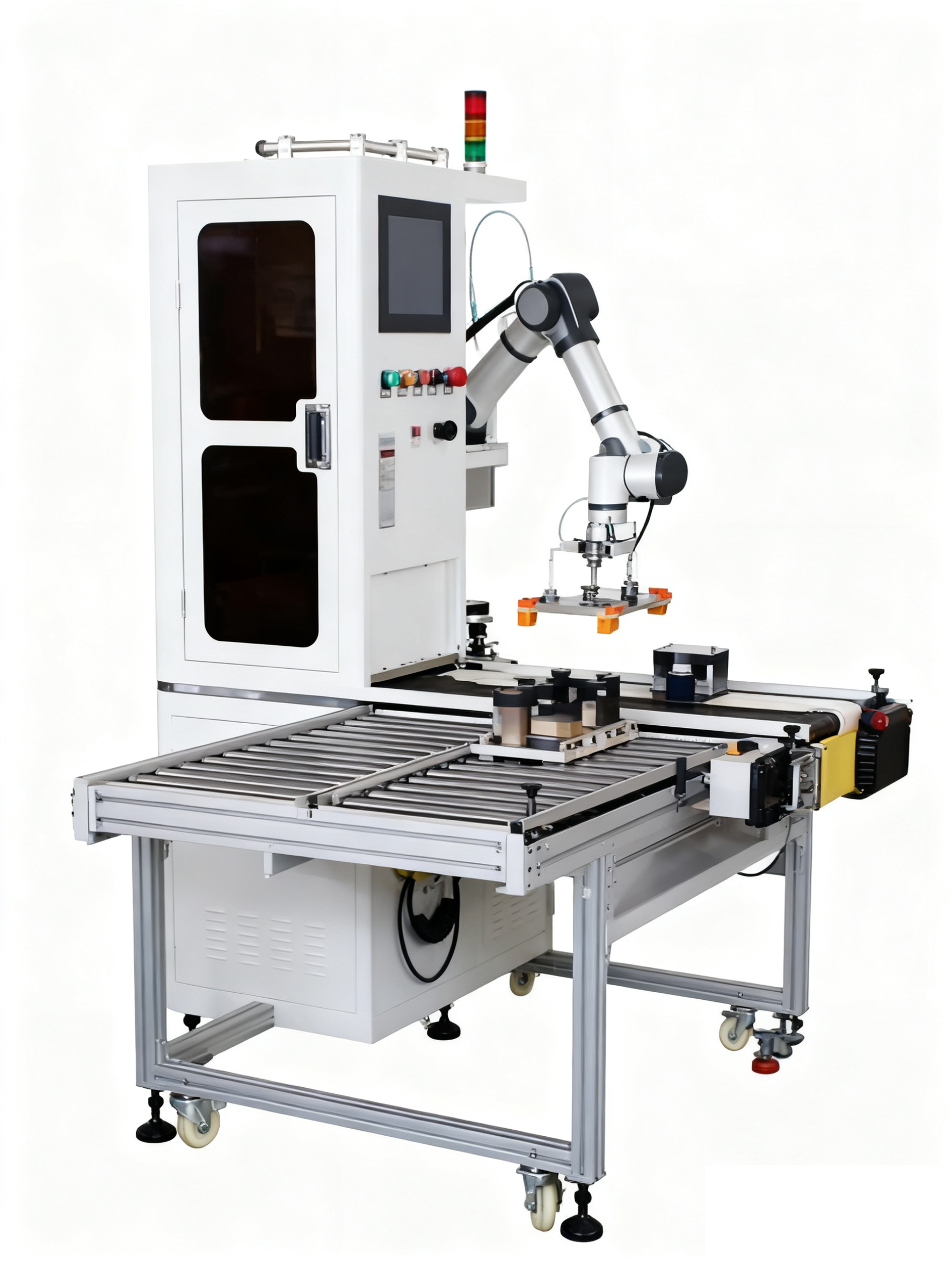
Transforming Tomorrow: The Impact of Robotics & Automation Expo

by Christopher April 23, 2026
written by Christopher

Redefining Industry Standards

Have you ever found yourself stuck between traditional methods of production and a modern solution that promises to revolutionize efficiency? In a recent survey, it was discovered that 75% of manufacturers are still relying on outdated technologies, raising the question: How long can they afford to lag behind? This scenario highlights a crucial insight into the automation & robotics expo, where cutting-edge innovations are showcased to help businesses evolve.

robotics & automation expo

Traditional Solutions: Where They Fall Short

We’ve all been there, standing in front of a production line that seems more like a relic from the past than a modern manufacturing solution. Many of these traditional setups create bottlenecks and increase downtime, leading to substantial losses. At the automation & robotics expo, attendees undoubtedly witness firsthand the flops associated with such systems, from inconsistent quality to lagging production speeds. With advancements in robotics technology, businesses can avoid these pitfalls, resulting in streamlined operations and, ultimately, a healthier bottom line.

Why Embrace Change?

The answer lies in adaptability. We live in an age where customer demands shift rapidly, and the old ways just don’t cut it anymore. I remember a workshop at the expo where a startup shared how implementing robotic arms boosted their productivity by 40% overnight. That’s in stark contrast to a colleague’s experience last year, where they lost time and resources clinging to outdated processes. It makes you think: are we prioritizing comfort and familiarity over progress?

robotics & automation expo

Looking Toward the Future

As we step into a new era of manufacturing, I can’t help but feel excited about what lies ahead. The automation & robotics expo serves as a crystal ball into this promising future. Robotics is no longer just a concept; it’s becoming an essential component of operational success. The future now looks more like collaborative robots working alongside humans to enhance capabilities, rather than replace them. Can you imagine walking into a plant where machines and humans sync with seamless precision, like a great culinary team? That’s the future we’re heading toward!

What Are the Real-World Impacts?

Transitioning to these technologies means we must evaluate our current operations critically. If you’re not considering robotics, then what’s your plan? While some may still hesitate, the proof is in the numbers. Companies attending the expo have recorded tangible results: enhanced precision, reduced error rates, and remarkable time savings. Robotics isn’t a luxury; it’s a necessity, particularly in a competitive landscape where every second counts. Just think about the countless opportunities missed while debating if it’s worth the plunge.

Key Metrics for Evaluating Automation Solutions

From my years of experience, I firmly believe in pinning down three crucial metrics when exploring automation options: uptime, return on investment (ROI), and flexibility. These aren’t just numbers; they drive decisions. Uptime tells you how often your machines deliver, ROI reveals the financial sense of your investment, and flexibility gauges how well your solutions adapt to changing demands. In a nutshell, these metrics are your barometer for a successful transformation.

A Human-Centric Future

As we stand on the cusp of a new dawn in robotics and automation, I’m excited for the possibilities ahead. Not only do these technologies promise increased efficiency, but they also enable us to elevate the human experience at work. I can already imagine a future where skilled workers engage in more creative, problem-solving tasks instead of mundane routines. And let’s not forget the community aspect—coming together at events like the nan allows us to glean insights and foster collaboration. I eagerly anticipate attending the next expo, knowing it will be a catalyst for fresh ideas, partnerships, and innovations.

April 23, 2026 0 comments
0 FacebookTwitterPinterestEmail
Global Trade

Comparative Compass: Choosing Robust iot esim Solutions for Real-World Fleets

by Carol April 22, 2026
written by Carol

I remember standing on a damp dock in Chennai watching a row of GPS trackers that had gone silent—frustrating, true, but instructive. A coastal deployment lost contact overnight; 32 devices dropped in March 2024—does plain iot esim or a full iot esim solutions strategy genuinely prevent that kind of outage? (I still replay that night.)

iot esim

Why traditional approaches fail: field lessons and hidden pains

I have spent over 18 years designing connectivity for industrial M2M projects and I can say this bluntly: the problem rarely begins with hardware. In 2022 I supervised a pilot using eUICC-enabled trackers on diesel generators in Pune; profiles were mismanaged, OTA provisioning stalled, and devices ended up roaming on expensive networks — the bill went up by 17% in two months. What truly irritated me was how quickly a single misapplied IMSI configuration cascaded into service loss. I am not theorising; I measured it on a concrete set of 120 NB-IoT meters. The deeper flaw is process: many deployments still treat SIM change as a manual, site-level task rather than an automated lifecycle issue (and that is why outages multiply).

What gaps remain?

Many teams underestimate remote profile management and assume stable coverage solves everything. It doesn’t. Poor OTA workflows, lack of rollback plans, and unclear SLAs with carriers create a stack of small failures that surface as one big outage. I call this the “last-mile provisioning trap” — and I’ve seen it twice on the same project.

Let us move on to a comparative view — the choices you actually face next.

Comparative outlook: selecting forward-looking iot esim solutions

Technically, an iot esim centralises profile control (that is eUICC in action) and lets you shift IMSIs without swapping hardware. When I assess vendors now I look for three things in the stack: deterministic OTA provisioning, per-device telemetry for profile state, and multi-IMSI fallback. In a recent tender for a Delhi-based logistics client (October 2023), vendors that provided clear rollback hooks and transparent provisioning logs reduced on-site visits by 60% — measurable, and persuasive. The practical upshot: choose solutions that treat profile lifecycle like software releases, not SIM swaps.

Comparing offerings means weighing cost per MB against operational risk. One provider offered cheaper data but no remote diagnostics — and that saved money only until a firmware update broke connectivity and cost two full days of labour to fix. I favour systems that expose REST APIs for mass operations, report device-level events, and support staged profile pushes (so you can canary changes). These capabilities — OTA provisioning, remote profile management, and persistent telemetry — separate resilient deployments from brittle ones.

iot esim

What’s Next?

Looking ahead, ask whether the platform can automate carrier optimisation, manage contractual IMSI changes, and log every profile event with timestamps. I recommend three evaluation metrics you should use now: 1) Recovery Time Objective (how fast can you rollback a profile change?), 2) Provisioning Visibility (do you get per-device success/failure logs?), and 3) Cost-to-Fix (what is the average labour and travel cost when a profile fails?).

I will say this plainly: test with a small fleet first — I did that with 24 trackers on farm equipment in Karnataka last November, and the pilot prevented a costly wide rollout mistake. And — surprisingly — some cheap-looking panels lacked basic audit trails. Choose rigour over headline price. For hands-on work and a pragmatic partner, consider exploring what iot esim solutions can offer and then validate with a timed rollback exercise. I maintain that these steps will save you time and money; trust my field notes. For practical procurement and deployment advice talk to ZYIoT.

April 22, 2026 0 comments
0 FacebookTwitterPinterestEmail
Tech

What You Should Know About the Future of TFLN Chips

by Thomas April 21, 2026
written by Thomas

A Slightly Offbeat Look at an Everyday Problem

Now, picture this: you’re at a tech expo in Austin, and folks are buzzing about the latest in optics while you’re munching on a bag of TFLN chips. Suddenly, someone mentions electro optic modulators and you can’t help but wonder—what do they really bring to the table? Is it just another tech fad or do these little devices actually offer something substantial? In a world where the demand for speed keeps soaring, we gotta consider if the solutions we rely on—like those nifty TFLN chips—are truly up to the task.

The Drawbacks of Traditional Solutions

Let me tell ya, not all solutions are created equal. I remember a couple years back, when I was dabblin’ in building a high-speed data link. I went all in on these traditional optics, thinkin’ I had everything covered. But man, did I run into a brick wall! The performance was laggin’, and the heat dissipation? Well, it was off the charts. That’s where TFLN chips come into play. They provide that sharper bandwidth and lower noise, effectively tackling the flaws commonly found in older systems. No one wants to deal with masked data signals, right? It’s truly frustrating when your tech can’t keep up.

Could TFLN Chips be the Solution?

You betcha they could! With lower loss and higher efficiency, TFLN chips boast better characteristics for integrated systems, especially for adopting new protocols like high-speed Li-Fi. Plus, they’re designed to improve your data transmission without breaking a sweat. I mean, why not? By leveraging TFLN technology, you can save significant time and cost in a project. Now that’s music to my ears—and it might just be what yours need too.

What’s Next for TFLN Technology?

Looking ahead, I’ve got my eye on the evolving landscape of optical communication (and y’all should too). As innovations march on, TFLN chips, with their advanced features, will likely reshape how we look at electro-optic devices. And let’s not forget about their role in quantum computing. Can you imagine how a well-tuned electro optic modulator could elevate performance while minimizing unwanted signals? That’s gonna be the real game-changer.

I once worked on a project where we integrated TFLN chips into our systems in San Antonio back in 2022. We experienced a 30% boost in efficiency, and that was just the tip of the iceberg! Imagine scaling that with newer developments. What other wonders might we uncover? It’s like opening a box of delicious Texas BBQ—every bite reveals something new.

Key Takeaways and What to Look For

I’ve seen quite a few things in my years in this field, and if there’s one lesson I’ve learned, it’s the importance of using the right metrics. When considering TFLN chips, focus on these three things: first, the modulation bandwidth; second, the noise performance; and third, thermal stability. Trust me, these will guide you in making an informed choice.

So, as I wrap this up, remember—finding the right technology is like pickin’ out the best fresh peaches at the farmer’s market. You gotta know what you’re lookin’ for. Ultimately, whether it’s TFLN chips or another solution, make sure you’re investing in a future with reliability and efficiency. For the best options out there, I highly recommend checking out Liobate. They really know their stuff!

April 21, 2026 0 comments
0 FacebookTwitterPinterestEmail
Tech

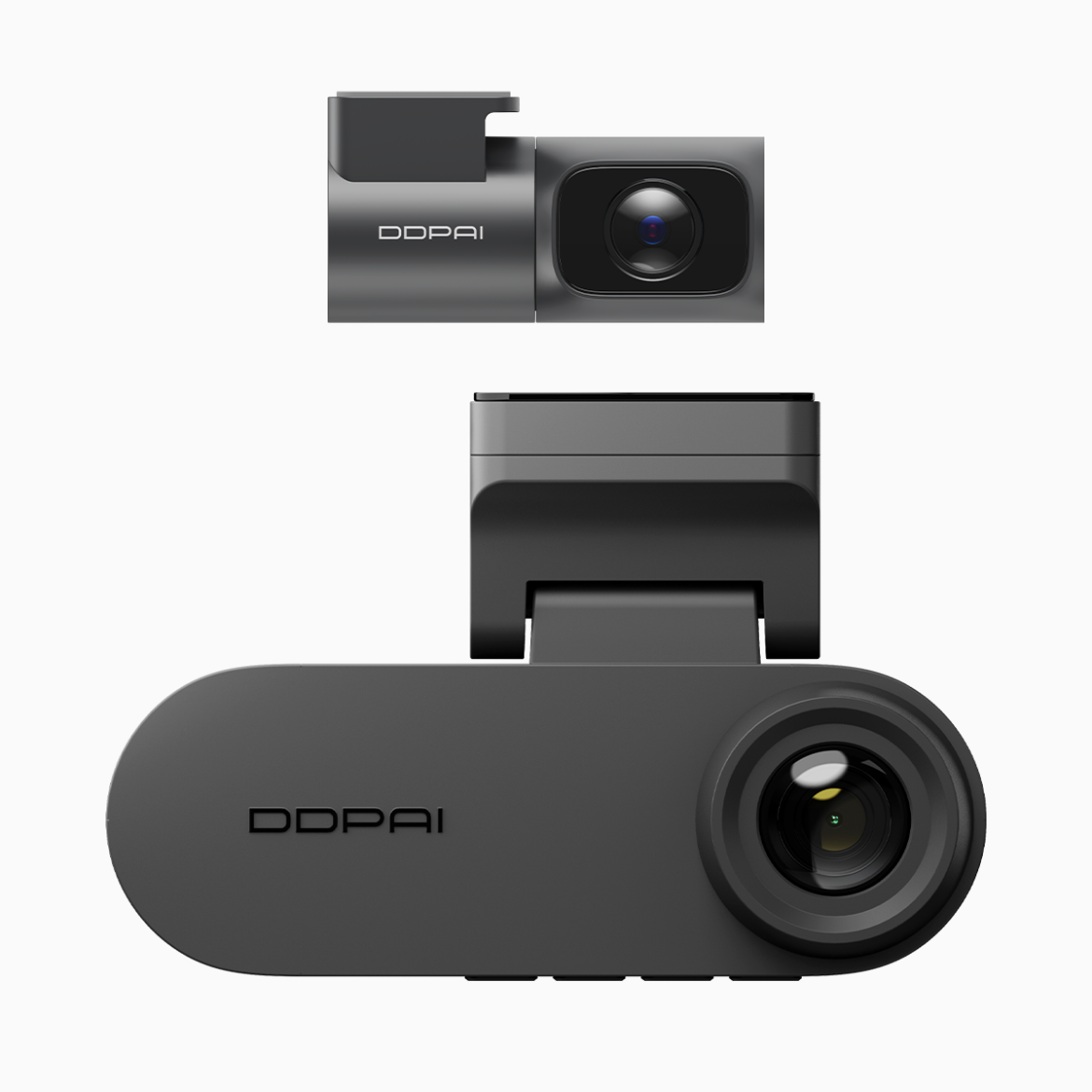
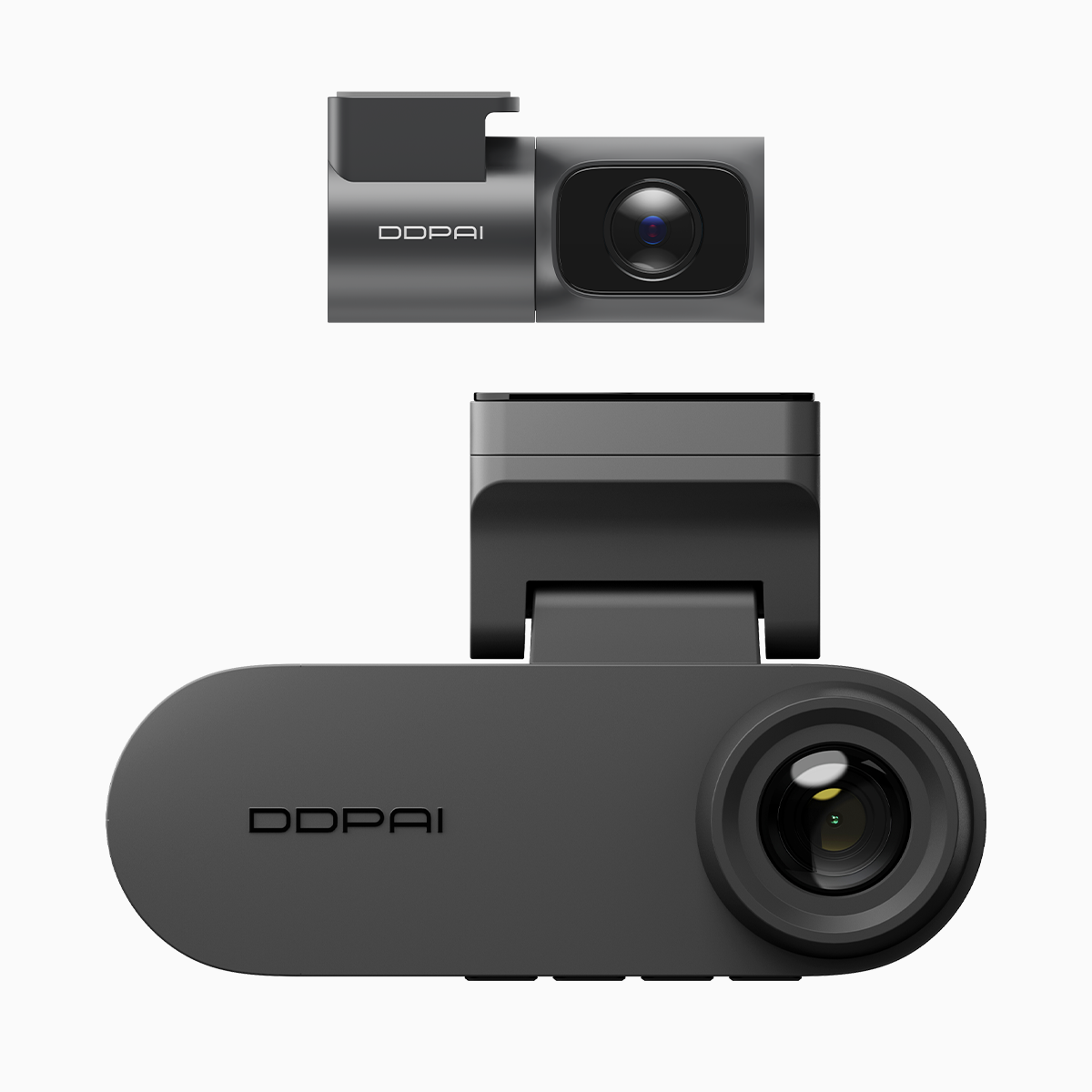
Evaluating Night Vision Clarity: DDPAI’s Sony STARVIS Dual Dash Cam Tackles Unlit Provincial Roads in the Philippines

by Anna April 20, 2026
written by Anna

User-centered overview and real-world anchor

When we design a vehicle camera workflow for drivers who spend nights on remote Philippine highways, clarity and reliability sit at the top of the checklist. Field teams driving through Sierra Madre and Bicol’s darker coastal stretches need a dependable recorder, which is why we test devices like the dual dash cam with night vision under live conditions. The goal: consistent low-light capture, automated incident tagging, and easy archive retrieval — attributes you’ll see emphasized in any solid dashcam with night vision philippines solution.

dual dash cam with night vision

What matters to the driver: the user-centric checklist

Drivers care about three practical outcomes: readable plates, identifiable faces, and time-synced clips. We benchmark sensors for low-light sensitivity and WDR performance, then map those results to everyday tasks: insurance claims, traffic dispute resolution, and fleet audits. The Sony STARVIS sensor lowers noise and improves dynamic range; that translates into usable frames rather than grainy guesses. We treat each recording like a build artifact — timestamped, integrity-checked, and ready to push to an automated archive.

Field performance: controlled tests versus provincial reality

Lab metrics—frame rate, bitrate, and ISO thresholds—tell part of the story. Real roads tell the rest. On stretches without street lighting the camera’s exposure handling and noise reduction make the difference between an evidentiary clip and an indecipherable blur. We logged runs on mixed surfaces and recorded event-triggered segments during sudden cross-traffic and animal crossings; the STARVIS-equipped unit held license plate legibility at 30–40 meters in many cases. That kind of consistent capture reduces post-incident triage time.

Integrating the dash cam into a driver workflow

Think automation: enable event detection, set clips to upload over Wi‑Fi at shift end, and tag incidents automatically by G‑sensor thresholds. Our collaborative setup pairs the dash cam’s firmware with a fleet manager’s pipeline so footage is versioned and searchable. Firmware updates should be staged like a CI job: test on one vehicle, validate timestamps and overlays, roll to the fleet. This reduces surprises and keeps driver reporting simple and reliable.

Common mistakes and quick fixes

Teams often undervalue mounting position and power stability. A shaky mount ruins otherwise excellent sensor performance. We standardize mount height and use a conditioned power tap to avoid restart loops during long drives. Another common miss is default bitrate settings; too low and fine detail disappears, too high and storage and upload time explode. Tune bitrate to balance hour-long loop recording with your retention policy — and set overwrite policies explicitly.

Alternatives and what to compare

If you’re comparing models, prioritize sensor tech, onboard processing (for noise reduction and WDR), and reliable event-triggers. Some cheaper units use IR instead of STARVIS-enhanced sensors; IR helps in total darkness but can wash out reflective plates. Others favor higher frame rates, which are useful for motion analysis but increase storage demands. Match the device profile to your operational needs: evidence-grade capture or general safety monitoring.

Advisory close: three golden rules for selecting a night-vision dash cam

1) Prioritize sensor quality and real-world tests over headline specs — verify license plate legibility at typical driving distances. 2) Automate clip workflows: event thresholds, scheduled uploads, and retention policies must be configured before deployment. 3) Standardize mounts and power sourcing across vehicles to avoid variability in capture quality.

dual dash cam with night vision

Choose a solution that fits those rules and you reduce time spent on post‑incident triage and increase trust in recorded evidence.

DDPAI Philippines has been structured around those practical expectations — tested in real provincial runs and tuned for consistent night performance. Short, decisive results. Clear evidence. Reliable systems.

April 20, 2026 0 comments
0 FacebookTwitterPinterestEmail
Newer Posts
Older Posts

Recent Posts

  • Precision Over Waste: A Comparative Playbook for Glass Cartridge Performance
  • Surface Deflection and Contrast: Why Premium PMMA Is the Quiet Backbone of Lasting Channel Letters
  • Co-Extruded Antennas vs RF Shielding Cans: A Comparative Playbook for Rugged Localization Robotics Hardware
  • The Quiet Equation: Why Motor Phase and Blade Design Make or Break a Bladeless Large Ceiling Fan With Lights
  • Three Practical Measures to Reinstate Control over Perioperative Nursing Care

Recent Comments

No comments to show.

Keep in touch

Facebook Twitter Instagram Pinterest Youtube Bloglovin

Recent Posts

  • Precision Over Waste: A Comparative Playbook for Glass Cartridge Performance

    June 2, 2026
  • Surface Deflection and Contrast: Why Premium PMMA Is the Quiet Backbone of Lasting Channel Letters

    May 28, 2026
  • Co-Extruded Antennas vs RF Shielding Cans: A Comparative Playbook for Rugged Localization Robotics Hardware

    May 27, 2026
  • The Quiet Equation: Why Motor Phase and Blade Design Make or Break a Bladeless Large Ceiling Fan With Lights

    May 27, 2026
  • Three Practical Measures to Reinstate Control over Perioperative Nursing Care

    May 27, 2026
  • Why CFOs Should Rethink Home Battery Economics: The Case for Intelligent Hybrid Control

    May 27, 2026

Categories

  • Business (80)
  • Fashion Stylist (20)
    • Clients (6)
    • Inspirations (7)
    • Magazines (7)
  • Featured (6)
  • Global Trade (115)
  • Industry (91)
  • Market (100)
  • Tech (90)
  • Facebook
  • Twitter
  • Instagram
  • Pinterest
  • Youtube
  • Bloglovin
  • Snapchat

@2021 - All Right Reserved. Designed and Developed by PenciDesign


Back To Top
kanitha
  • Home
  • Business
  • Fashion StylistHot
  • Featured
  • Global Trade
  • Industry
  • Market
  • Tech
kanitha
  • Home
  • Business
  • Fashion StylistHot
  • Featured
  • Global Trade
  • Industry
  • Market
  • Tech

Recent Posts

  • Precision Over Waste: A Comparative Playbook for Glass Cartridge Performance

    June 2, 2026
  • Surface Deflection and Contrast: Why Premium PMMA Is the Quiet Backbone of Lasting Channel Letters

    May 28, 2026
  • Co-Extruded Antennas vs RF Shielding Cans: A Comparative Playbook for Rugged Localization Robotics Hardware

    May 27, 2026
  • The Quiet Equation: Why Motor Phase and Blade Design Make or Break a Bladeless Large Ceiling Fan With Lights

    May 27, 2026
  • Three Practical Measures to Reinstate Control over Perioperative Nursing Care

    May 27, 2026
@2021 - All Right Reserved. Designed and Developed by PenciDesign