
Evolution on the line: a short chronicle
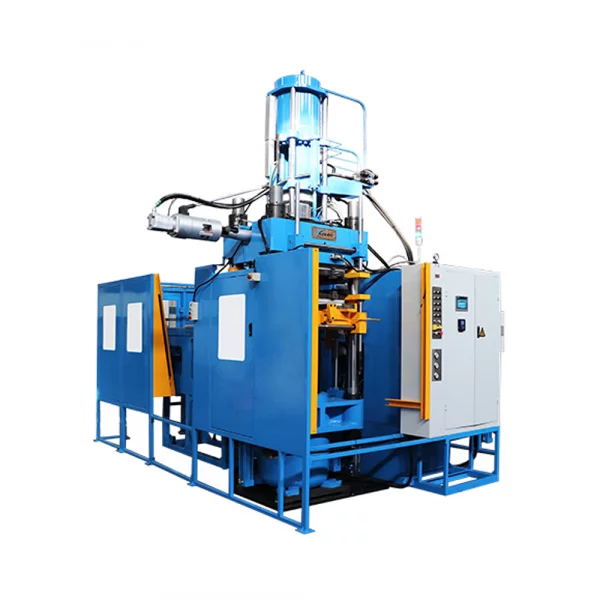
The factory floor used to be predictable—stamped metal, steady presses, human rhythm. Then LSR systems began to arrive like small satellites: precise, programmable, and eerily quiet. Across retrofit projects after the 2020 global supply chain disruptions, teams pushed toward machines that could handle complex sealing geometries and shorter cycle time without ballooning footprint. That shift often started with a single decision: add a modern rubber injection molding machine and rewire a line. The result was not just more parts per shift; it was a new modality of production—adaptive, data-aware molding with liquid silicone rubber (LSR) at its core.
From mechanical brute to compact intelligence
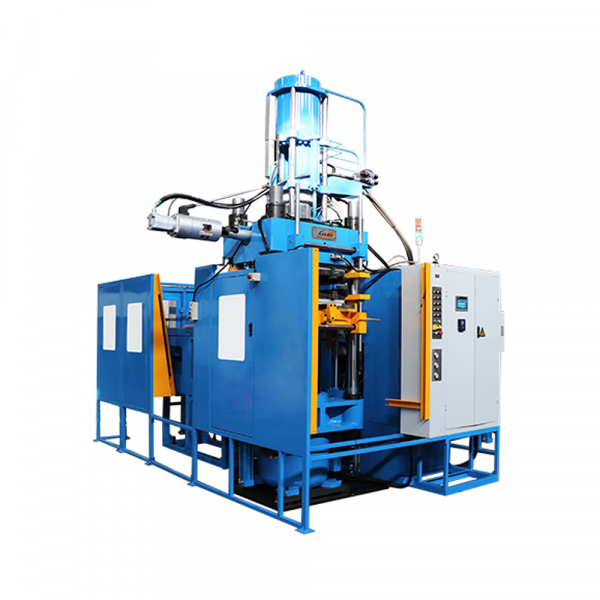
Early injection molding relied on brute clamping force and massive shot size. Modern LSR units trade raw force for precision: servo-driven clamps, controlled shot dispensing, and tuned curing cycles inside a compact mold cavity. That reduces scrap and shortens cycle time while enabling intricate profiles used in automotive sensors and medical components. Tooling still matters—the right runner design and venting will determine whether a part cures uniformly—but the machine now orchestrates the cure rather than merely pressing parts into shape.
Concrete floor gains and the human element
On the production level, expect measurable metrics: lower cycle time variance, higher first-pass yield, and reduced energy per part. Automation ties into this—robotic pick-and-place and inline inspection make throughput predictable. I’ve watched a midsize plant in Detroit pivot a legacy press line to LSR molding during 2021; throughput improved and total downtime dropped because maintenance shifted from reactive to scheduled preventative tasks. Operators learned new skills—process monitoring, simple PLC tweaks—so the workforce changed as the line did. The machines brought electronics and software; the people brought judgment. Together they cut rejects and sped delivery to OEMs.
Common retrofitting mistakes to avoid
Many teams rush to buy a machine and then retrofit old molds or ignore part handling. Avoid these traps: mismatched mold temperature control, improper gating for LSR, and underestimating cycle-dependent cooling needs. Also, don’t graft an LSR cell onto a conveyor without updating inspection and handling; silicone parts demand different demolding behavior than thermoplastics. – Small omissions compound: a poorly sized shot pot or weak vacuum venting will create sinks and blisters that nullify the machine’s advantages.
Comparisons and alternatives
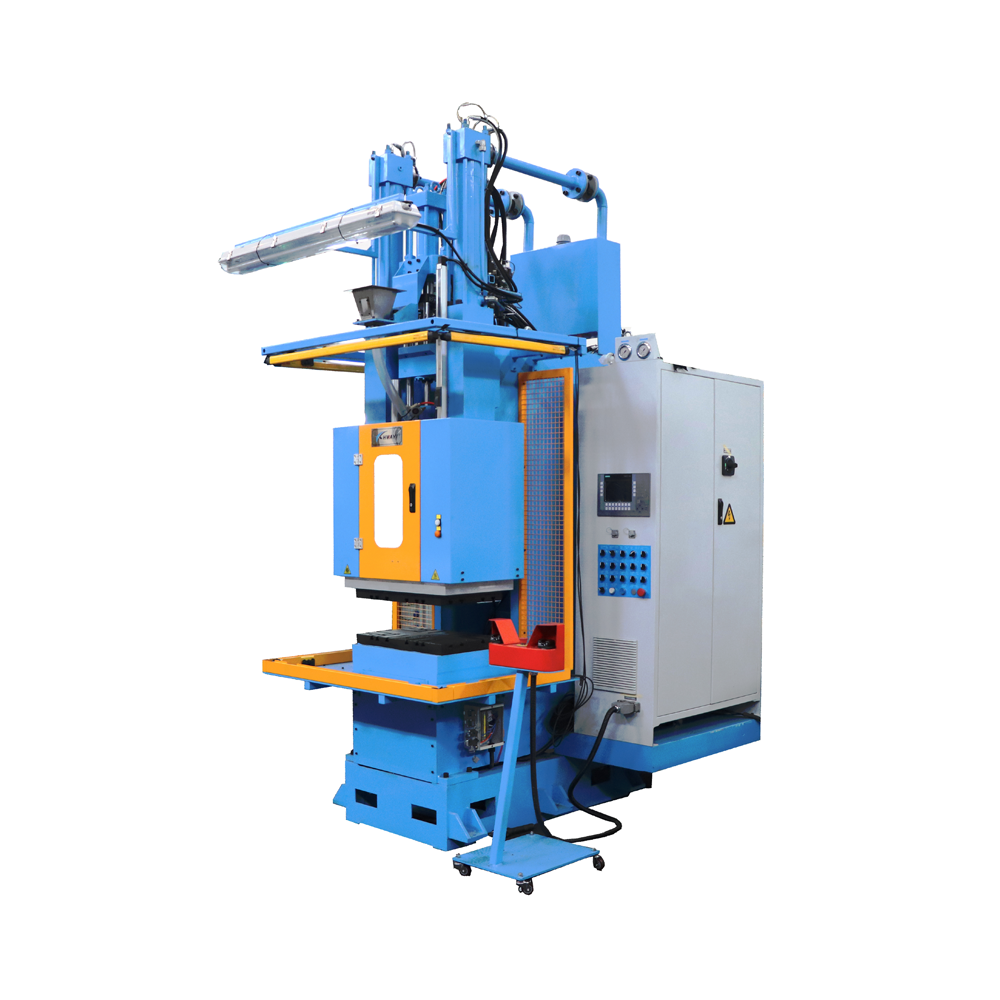
Traditional rubber compression molding still serves high-volume, thick-profile parts where material waste is tolerable. Extrusion fits simple seals and tubing. But when part geometry tightens and tolerances shrink, LSR injection systems win on consistency and material fidelity. Choose based on part geometry, cycle expectations, and cleanroom needs—LSR for complex elastomeric components; compression for bulk pads; extrusion for continuous sections. Each path carries its own tooling and process-control requirements.
Advisory: three golden rules for selecting the right system
1) Match machine control to part tolerance. Pick a system with servo drives and closed-loop pressure control so shot size and clamping are repeatable under load. 2) Factor integration costs. Sensors, robotics, and molding software may equal the machine’s price—plan for I/O, PLC mapping, and staff training. 3) Insist on thermal stability. Accurate mold temperature control avoids cure drift and preserves first-pass yield. Evaluate these metrics in pilot runs, not just on spec sheets.
Closing practical thought
Factories that adopt scalable LSR molding move beyond simple capacity increases; they change how decisions are made on the line—faster feedback, fewer surprises, and parts that meet tighter specs. That change is not abstract; it played out in plants during the post-2020 retooling wave, where teams balanced automation, cycle control, and operator training to restore supply continuity. The clear path forward is strategic: pick equipment that harmonizes with existing systems and invests in thermal and process controls. rubber molding machine selection matters—choose systems that speak the language of your floor. Final note: practical machines paired with pragmatic teams win. HWAYI. —